Borneo Sucker (Yellow Finned Sucker)
Gastromyzon viriosus
Out of Stock
Scarce stock
Wild Caught
Moderate care
Not Reef Safe
SKU: 01-A-29-016-06
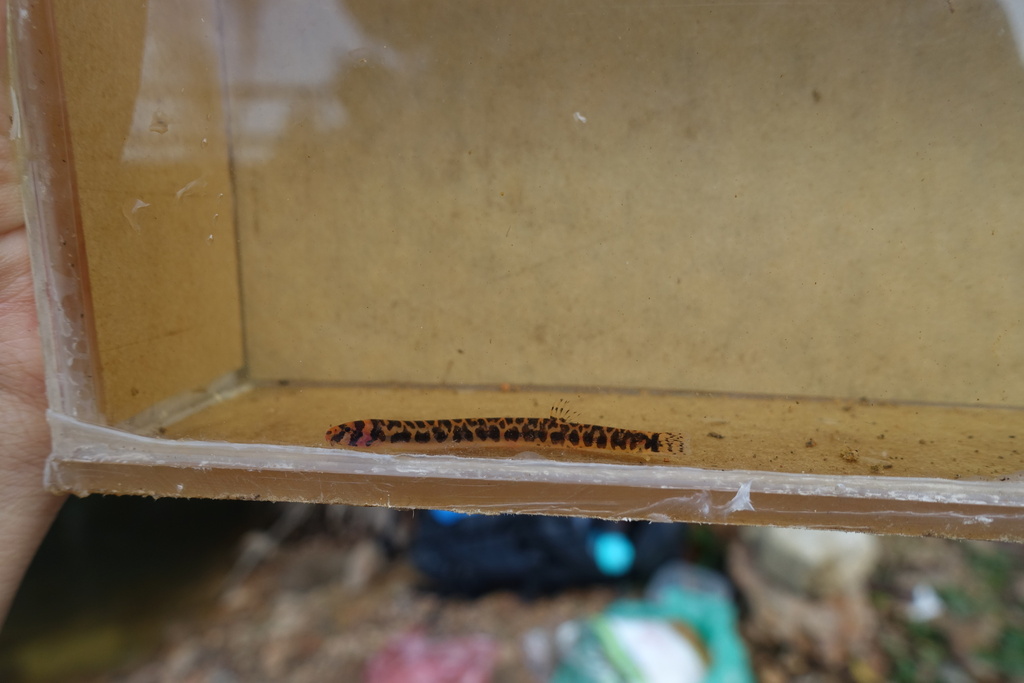
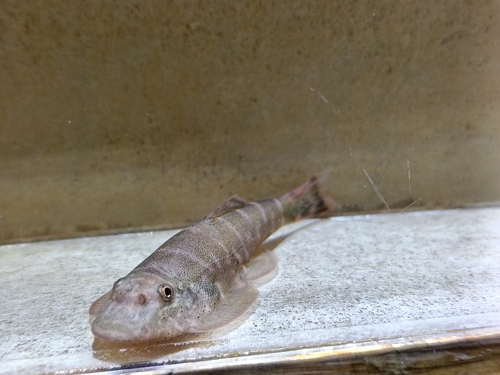
The Borneo Sucker is a unique freshwater fish known for its striking yellow fins and algae-eating habits.
Pricing for Verified Importers
Log in to see wholesale prices and order.
Export Size
up to 8.0 cm
Origin
Southeast Asia
Temperature
24.0–28.0°C
Min. Tank Size
80 L
pH
6.50–7.50
Diet
herbivore
The Borneo Sucker, scientifically known as Gastromyzon viriosus, hails from the freshwater rivers and streams of Borneo, Indonesia. This species is particularly remarkable for its specialized adaptation to a benthic lifestyle, where it thrives on algae and detritus found on submerged surfaces. The Borneo Sucker has a distinctive body shape, featuring a flattened ventral surface that allows it to cling to rocks and other substrates in fast-flowing waters. Its striking yellow fins add to its appeal, making it a popular choice among aquarium enthusiasts and importers alike.
In terms of behavior, the Borneo Sucker is generally peaceful and can be kept in community tanks with similarly sized fish. They exhibit interesting social interactions and often form small groups, which can add dynamism to a display aquarium. These fish are primarily diurnal, showing increased activity during the day as they forage for food. Their natural habitat consists of clear, cool streams with plenty of vegetation and rocky substrates where they can hide and feed.
As a species, the Borneo Sucker plays a crucial role in its ecosystem by helping to control algae growth in its natural habitat. This ecological function is mirrored in captivity, where their algae-eating habits make them valuable additions to aquascaped tanks. Their coloration and unique morphology also contribute aesthetically to aquarium settings, appealing to both hobbyists and retailers.
Given their specific habitat requirements, understanding their natural history is key to successful care and husbandry in captivity. Their preference for clean, oxygen-rich waters and natural decor must be taken into account for optimal health and longevity in aquarium settings.
In terms of behavior, the Borneo Sucker is generally peaceful and can be kept in community tanks with similarly sized fish. They exhibit interesting social interactions and often form small groups, which can add dynamism to a display aquarium. These fish are primarily diurnal, showing increased activity during the day as they forage for food. Their natural habitat consists of clear, cool streams with plenty of vegetation and rocky substrates where they can hide and feed.
As a species, the Borneo Sucker plays a crucial role in its ecosystem by helping to control algae growth in its natural habitat. This ecological function is mirrored in captivity, where their algae-eating habits make them valuable additions to aquascaped tanks. Their coloration and unique morphology also contribute aesthetically to aquarium settings, appealing to both hobbyists and retailers.
Given their specific habitat requirements, understanding their natural history is key to successful care and husbandry in captivity. Their preference for clean, oxygen-rich waters and natural decor must be taken into account for optimal health and longevity in aquarium settings.
To maintain healthy Borneo Suckers, it is essential to replicate their natural habitat as closely as possible. The ideal water parameters include a temperature range of 24-28°C and a pH between 6.5 and 7.5. Regular water changes and high filtration are necessary to keep the water clean and oxygenated, as these fish thrive in well-aerated environments. A minimum tank size of 80 liters is recommended for a small group to provide ample swimming space and hiding spots.
Feeding the Borneo Sucker involves providing a diet rich in algae-based foods, such as spirulina flakes, along with blanched vegetables and occasional protein sources like high-quality sinking pellets. These fish are generally peaceful and can be housed with other small, non-aggressive species. Acclimation should be done gradually to minimize stress, ideally through drip acclimation methods.
Quarantine new arrivals for at least two weeks to monitor for any signs of disease before introducing them to community tanks. This practice helps ensure the health and safety of both the new fish and the established tank inhabitants.
Feeding the Borneo Sucker involves providing a diet rich in algae-based foods, such as spirulina flakes, along with blanched vegetables and occasional protein sources like high-quality sinking pellets. These fish are generally peaceful and can be housed with other small, non-aggressive species. Acclimation should be done gradually to minimize stress, ideally through drip acclimation methods.
Quarantine new arrivals for at least two weeks to monitor for any signs of disease before introducing them to community tanks. This practice helps ensure the health and safety of both the new fish and the established tank inhabitants.
Borneo Suckers are suitable for shipping, but care must be taken to ensure they are packed securely to prevent stress during transit. A packing density of 1-2 fish per liter of water is recommended to provide enough space for movement. Temperature sensitivity should be considered, with shipping temperatures ideally between 24-26°C. CITES status for this species is not applicable, which facilitates easier export.
Species Parameters
Max Adult Size
8.0 cm
Origin
Southeast Asia
Diet
herbivore
Temp Min
24.0 °C
Temp Max
28.0 °C
pH Min
6.50
pH Max
7.50
Min Tank
80 L