Double Red Tail Borneo Sucker Fish
Gastromyzon sp.
In Stock
Common stock
Wild Caught
Moderate care
Not Reef Safe
SKU: 01-A-29-046-06
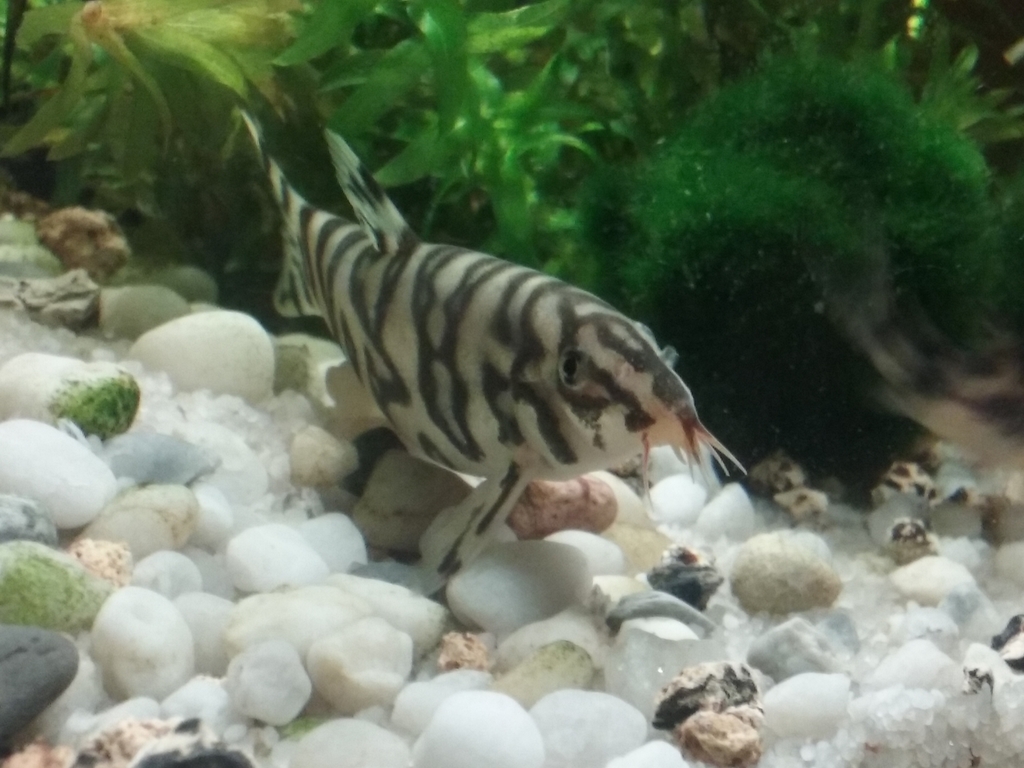
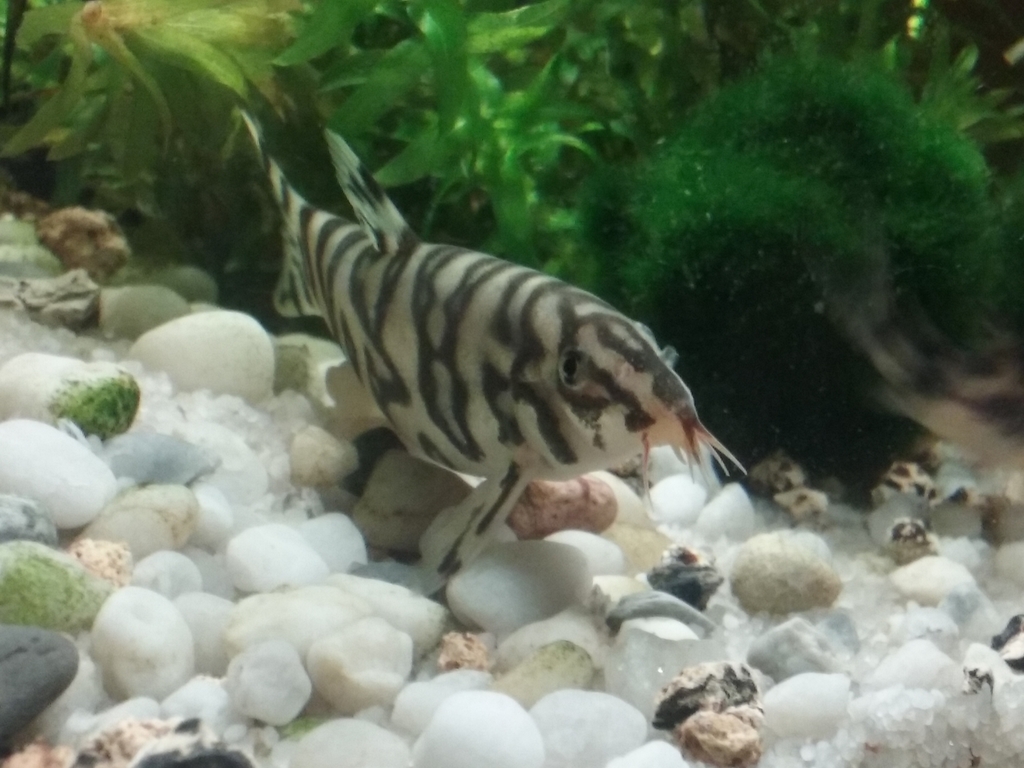
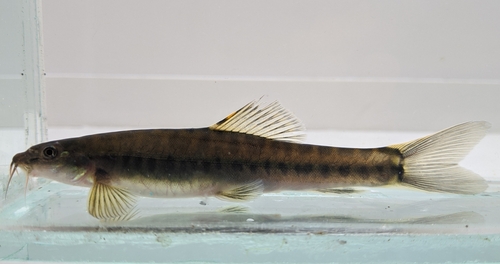
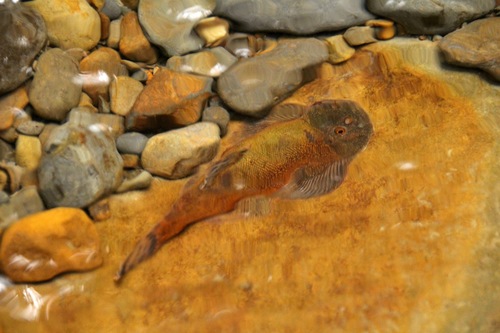
The Double Red Tail Borneo Sucker Fish is a striking freshwater species known for its vibrant coloration and unique behavior.
Pricing for Verified Importers
Log in to see wholesale prices and order.
Export Size
up to 10.0 cm
Origin
Southeast Asia
Temperature
24.0–28.0°C
Min. Tank Size
80 L
pH
6.50–7.50
Diet
herbivore
The Double Red Tail Borneo Sucker Fish (Gastromyzon sp.) is a captivating freshwater species endemic to the rivers of Borneo, Indonesia. This fish is renowned for its stunning appearance, featuring a striking red tail and a sleek, elongated body that allows it to navigate swiftly through its natural habitat. These fish are often found clinging to rocks and submerged surfaces, utilizing their specialized mouth to graze on algae and biofilm. Their vibrant colors serve not only as a visual spectacle but also play a role in mating displays among males during the breeding season.
In terms of behavior, the Double Red Tail Borneo Sucker Fish is a peaceful species, making it an excellent addition to community tanks. They tend to be more active in the early morning and late evening, which are their prime feeding times. These fish exhibit a unique social structure, often forming small groups, particularly in areas with abundant food sources. Their natural instincts encourage them to seek shelter among rocks and plants, where they can feel secure while foraging for food.
Habitat-wise, these fish thrive in clear, fast-flowing streams and rivers rich in vegetation. The presence of submerged rocks and driftwood provides essential surfaces for feeding and hiding. The water in these habitats is typically soft and slightly acidic, conditions that are critical for their well-being. Preserving their natural environment is crucial for maintaining their health in captivity, as many of these parameters influence their overall behavior and longevity.
The Double Red Tail Borneo Sucker Fish is an ideal choice for aquarists seeking a unique species that adds both beauty and interest to freshwater tanks. Their striking coloration and natural behavior make them a focal point in any aquarium setting, appealing to both beginner and experienced fish keepers alike.
In terms of behavior, the Double Red Tail Borneo Sucker Fish is a peaceful species, making it an excellent addition to community tanks. They tend to be more active in the early morning and late evening, which are their prime feeding times. These fish exhibit a unique social structure, often forming small groups, particularly in areas with abundant food sources. Their natural instincts encourage them to seek shelter among rocks and plants, where they can feel secure while foraging for food.
Habitat-wise, these fish thrive in clear, fast-flowing streams and rivers rich in vegetation. The presence of submerged rocks and driftwood provides essential surfaces for feeding and hiding. The water in these habitats is typically soft and slightly acidic, conditions that are critical for their well-being. Preserving their natural environment is crucial for maintaining their health in captivity, as many of these parameters influence their overall behavior and longevity.
The Double Red Tail Borneo Sucker Fish is an ideal choice for aquarists seeking a unique species that adds both beauty and interest to freshwater tanks. Their striking coloration and natural behavior make them a focal point in any aquarium setting, appealing to both beginner and experienced fish keepers alike.
When caring for the Double Red Tail Borneo Sucker Fish, maintaining optimal water parameters is essential. The ideal temperature range is between 24°C and 28°C, with a pH level around 6.5 to 7.5. These fish prefer soft water, so regular monitoring and adjustments may be necessary to keep conditions stable. A minimum tank size of 80 liters is recommended to provide ample space for swimming and foraging.
Feeding should consist of a varied diet that includes high-quality algae wafers, blanched vegetables, and occasional protein sources such as bloodworms or brine shrimp. It's important to ensure they receive a balanced diet to promote their health and vibrant coloration. These fish are generally peaceful and can be kept with other non-aggressive species, but care should be taken to avoid larger or more aggressive tank mates that may outcompete them for food.
When introducing Double Red Tail Borneo Sucker Fish to a new aquarium, acclimation is crucial. Use the drip acclimation method to slowly introduce them to the new water conditions, minimizing stress. A quarantine period of at least two weeks is advisable to monitor for any signs of disease before adding them to the main tank. Regular water changes and good filtration will help maintain water quality, ensuring a healthy environment for these unique fish.
Feeding should consist of a varied diet that includes high-quality algae wafers, blanched vegetables, and occasional protein sources such as bloodworms or brine shrimp. It's important to ensure they receive a balanced diet to promote their health and vibrant coloration. These fish are generally peaceful and can be kept with other non-aggressive species, but care should be taken to avoid larger or more aggressive tank mates that may outcompete them for food.
When introducing Double Red Tail Borneo Sucker Fish to a new aquarium, acclimation is crucial. Use the drip acclimation method to slowly introduce them to the new water conditions, minimizing stress. A quarantine period of at least two weeks is advisable to monitor for any signs of disease before adding them to the main tank. Regular water changes and good filtration will help maintain water quality, ensuring a healthy environment for these unique fish.
The Double Red Tail Borneo Sucker Fish is well-suited for export, provided proper shipping methods are employed. They should be packed in secure, insulated bags to maintain stable temperatures during transit. A packing density of 1-2 fish per liter is recommended to minimize stress. These fish are sensitive to temperature fluctuations, so maintaining a range of 24°C to 28°C during shipping is critical. They are not listed under CITES, allowing for easier export compliance.
Species Parameters
Max Adult Size
10.0 cm
Origin
Southeast Asia
Diet
herbivore
Temp Min
24.0 °C
Temp Max
28.0 °C
pH Min
6.50
pH Max
7.50
Min Tank
80 L