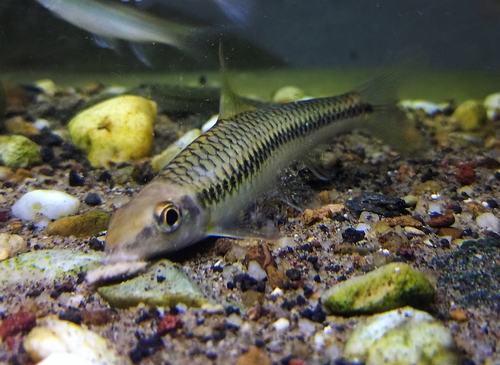
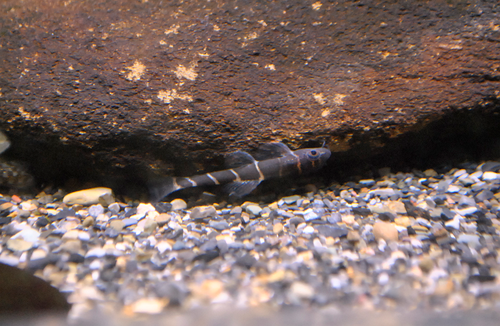
Fired-eye loach
Barbucca diabolica
Out of Stock
Scarce stock
Wild Caught
Moderate care
Not Reef Safe
SKU: 01-A-29-024-01
The Fired-eye loach is a captivating, tiny fish known for its striking features and unique habitat.
Pricing for Verified Importers
Log in to see wholesale prices and order.
Export Size
up to 2.3 cm
Origin
Southeast Asia
Temperature
22.0–28.0°C
Min. Tank Size
20 L
pH
6.00–7.50
Diet
omnivore
Barbucca diabolica, commonly known as the Fired-eye loach, is a diminutive freshwater fish native to the lush environments of the Malay Peninsula, Borneo, and Thailand. This species typically inhabits small forest streams and backwaters, where it thrives in calm, slow-moving waters rich in organic debris. The loach's diet primarily consists of algae, detritus, and small invertebrates, allowing it to play a vital role in the aquatic ecosystem as a scavenger. Its small size, reaching a maximum length of only 2.3 cm, makes it an intriguing addition to any freshwater aquarium.
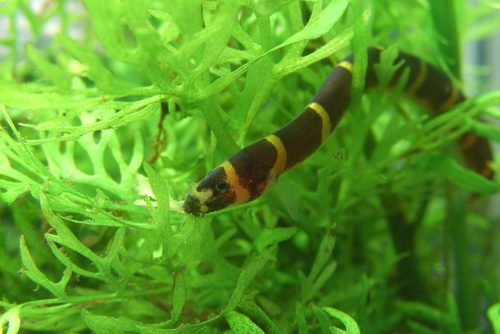
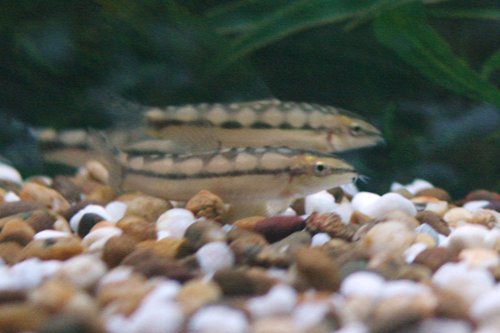
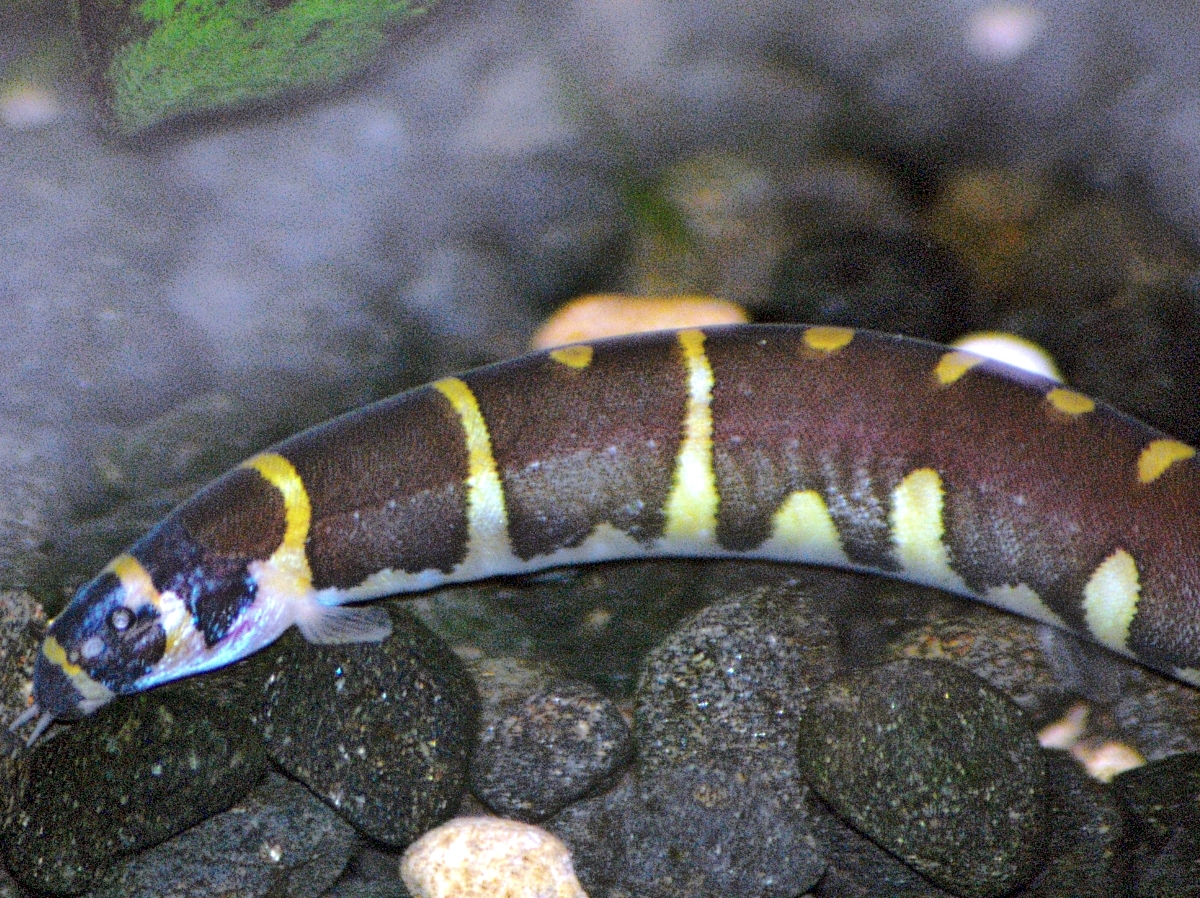
In terms of appearance, the Fired-eye loach is characterized by its distinctively bright red or orange eyes, which stand out against its otherwise muted coloration. This unique feature not only contributes to its name but also enhances its appeal among aquarium enthusiasts. The body is elongated and somewhat flattened, allowing the loach to navigate through dense vegetation and substrate with ease. Despite its small stature, the Fired-eye loach exhibits a lively behavior, often seen foraging on the substrate or darting through the plants, captivating observers with its playful antics.
However, the Fired-eye loach is facing significant threats in the wild. The population in Thailand is reportedly declining sharply due to habitat destruction, primarily caused by forest loss and stream modification. While some populations exist in protected areas, the species may be confused with similar-looking loaches, necessitating careful identification and conservation efforts. The unique ecological niche it occupies and its charming behavior make it a species of interest for both hobbyists and conservationists alike.
Conservation efforts are essential to ensure the survival of Barbucca diabolica in its natural habitat. As a species requiring specific environmental conditions, it is crucial for aquarium keepers to replicate these settings to maintain healthy populations in captivity. This small loach not only enhances the biodiversity of aquariums but also serves as a reminder of the importance of preserving freshwater ecosystems globally.
In terms of appearance, the Fired-eye loach is characterized by its distinctively bright red or orange eyes, which stand out against its otherwise muted coloration. This unique feature not only contributes to its name but also enhances its appeal among aquarium enthusiasts. The body is elongated and somewhat flattened, allowing the loach to navigate through dense vegetation and substrate with ease. Despite its small stature, the Fired-eye loach exhibits a lively behavior, often seen foraging on the substrate or darting through the plants, captivating observers with its playful antics.
However, the Fired-eye loach is facing significant threats in the wild. The population in Thailand is reportedly declining sharply due to habitat destruction, primarily caused by forest loss and stream modification. While some populations exist in protected areas, the species may be confused with similar-looking loaches, necessitating careful identification and conservation efforts. The unique ecological niche it occupies and its charming behavior make it a species of interest for both hobbyists and conservationists alike.
Conservation efforts are essential to ensure the survival of Barbucca diabolica in its natural habitat. As a species requiring specific environmental conditions, it is crucial for aquarium keepers to replicate these settings to maintain healthy populations in captivity. This small loach not only enhances the biodiversity of aquariums but also serves as a reminder of the importance of preserving freshwater ecosystems globally.
When caring for the Fired-eye loach, maintaining optimal water parameters is essential for its health and well-being. Ideal temperatures range between 22°C to 28°C, with a pH level maintained between 6.0 and 7.5. Since the Fired-eye loach is a freshwater species, salinity levels should be kept at zero. A minimum tank size of 20 liters is recommended to provide adequate swimming space and to facilitate a stable environment.
Feeding the Fired-eye loach can be straightforward, as it is an omnivore that thrives on a varied diet. Provide high-quality flake food, micro-pellets, and blanched vegetables, supplemented with live or frozen foods such as daphnia and brine shrimp to ensure a balanced diet. This species displays peaceful behavior, making it compatible with other small, non-aggressive freshwater fish. However, it's advisable to avoid larger or overly territorial species that may outcompete or harass the loach.
Acclimation is crucial when introducing the Fired-eye loach to a new environment. Gradually acclimate them to the aquarium conditions by floating the sealed bag in the tank for about 15-20 minutes before releasing them. A quarantine period of at least two weeks is recommended for new arrivals to monitor for any signs of illness or stress, ensuring a healthy addition to your aquarium system.
Feeding the Fired-eye loach can be straightforward, as it is an omnivore that thrives on a varied diet. Provide high-quality flake food, micro-pellets, and blanched vegetables, supplemented with live or frozen foods such as daphnia and brine shrimp to ensure a balanced diet. This species displays peaceful behavior, making it compatible with other small, non-aggressive freshwater fish. However, it's advisable to avoid larger or overly territorial species that may outcompete or harass the loach.
Acclimation is crucial when introducing the Fired-eye loach to a new environment. Gradually acclimate them to the aquarium conditions by floating the sealed bag in the tank for about 15-20 minutes before releasing them. A quarantine period of at least two weeks is recommended for new arrivals to monitor for any signs of illness or stress, ensuring a healthy addition to your aquarium system.
The Fired-eye loach is suitable for shipping under controlled conditions. It is important to pack them in breathable bags with adequate oxygen and water, maintaining a packing density that allows for movement without stress. Ideal shipping temperatures should be between 20°C to 25°C to minimize stress during transit. As of now, this species is not listed under CITES, making it easier for export, but compliance with local regulations is essential.
Species Parameters
Max Adult Size
2.3 cm
Origin
Southeast Asia
Diet
omnivore
Temp Min
22.0 °C
Temp Max
28.0 °C
pH Min
6.00
pH Max
7.50
Min Tank
20 L