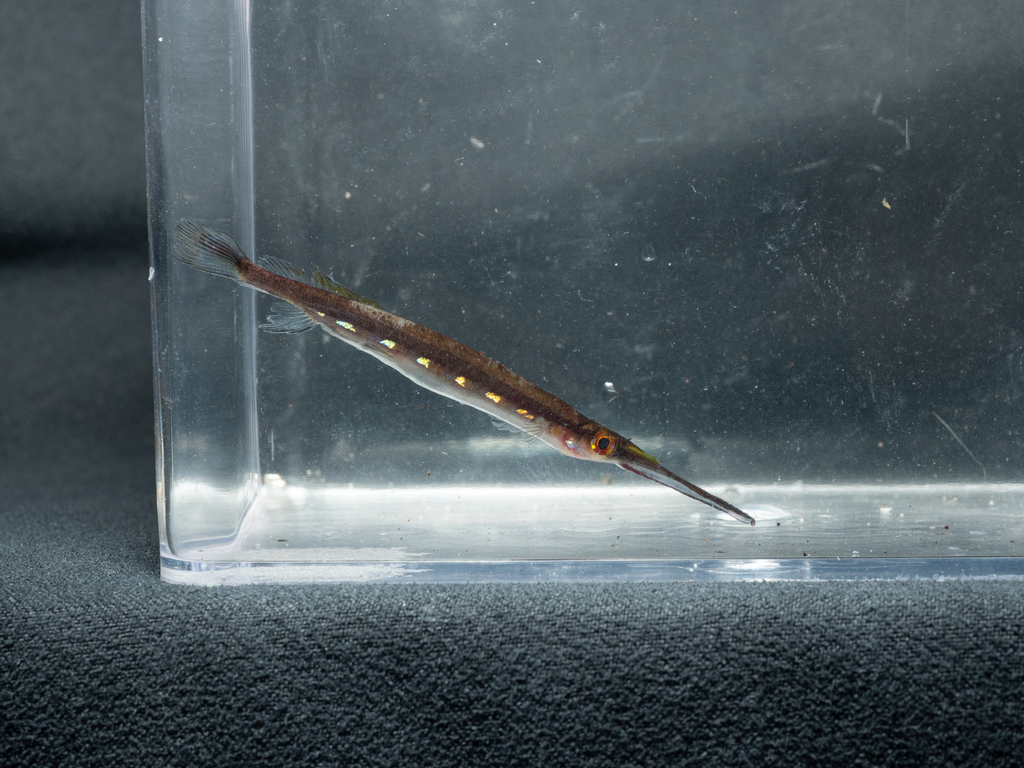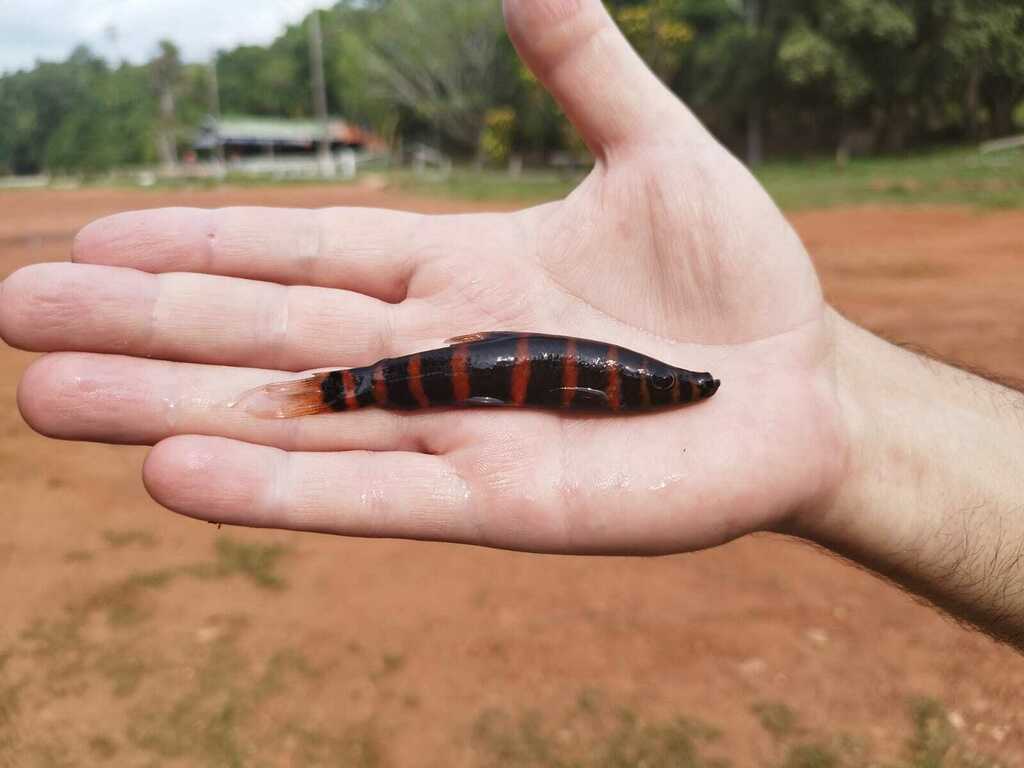
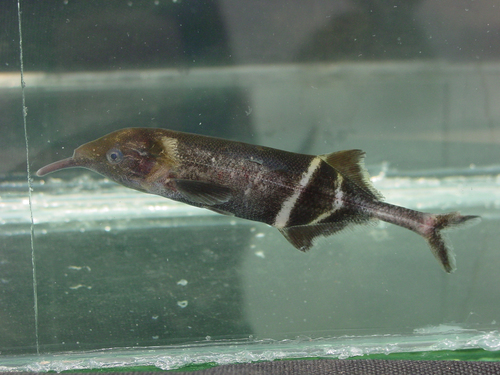
Elephant Nose Fish (double nose) (IDV-PACK)
Elephant nose fish (double nose)
Out of Stock
Scarce stock
Wild Caught
Moderate care
Not Reef Safe
SKU: 01-A-34-017-01
The Elephant Nose Fish is a fascinating species known for its unique double nose and exceptional sensory abilities.
Pricing for Verified Importers
Log in to see wholesale prices and order.
Export Size
up to 25.0 cm
Origin
Southeast Asia
Temperature
24.0–28.0°C
Min. Tank Size
150 L
pH
6.00–7.50
Diet
carnivore
The Elephant Nose Fish (double nose) is an intriguing freshwater species native to the rivers and lakes of Africa. Its most distinctive feature is its elongated, trunk-like snout, which it uses to navigate and forage in murky waters. The double-nosed variant is particularly notable for its unique morphology, which enhances its electroreception capabilities, allowing it to detect prey and obstacles in its environment.
In terms of appearance, this fish can reach up to 25 cm in length and sports a streamlined body with a dark, silvery hue and subtle patterns that blend into its surroundings. The double nose, with its two protruding appendages, gives this species an unmistakable look that captivates aquarists. Behaviorally, the Elephant Nose Fish is known for its shy and reclusive nature, often hiding among rocks and plants in the aquarium. It is a nocturnal feeder, primarily active during the night when it hunts for small invertebrates and worms.
Habitat-wise, this species thrives in slow-moving rivers with plenty of vegetation. They prefer soft, acidic water conditions, making them somewhat sensitive to water quality. In their natural environment, they exhibit a preference for densely planted areas where they can find cover from predators and ambush their prey. Their ability to generate electrical signals helps them communicate and navigate through their habitat, making them a fascinating addition to any aquarium.
Overall, the Elephant Nose Fish is not only a visually striking species but also an engaging one, offering unique behaviors and interactions that are sure to captivate both novice and experienced aquarists alike.
In terms of appearance, this fish can reach up to 25 cm in length and sports a streamlined body with a dark, silvery hue and subtle patterns that blend into its surroundings. The double nose, with its two protruding appendages, gives this species an unmistakable look that captivates aquarists. Behaviorally, the Elephant Nose Fish is known for its shy and reclusive nature, often hiding among rocks and plants in the aquarium. It is a nocturnal feeder, primarily active during the night when it hunts for small invertebrates and worms.
Habitat-wise, this species thrives in slow-moving rivers with plenty of vegetation. They prefer soft, acidic water conditions, making them somewhat sensitive to water quality. In their natural environment, they exhibit a preference for densely planted areas where they can find cover from predators and ambush their prey. Their ability to generate electrical signals helps them communicate and navigate through their habitat, making them a fascinating addition to any aquarium.
Overall, the Elephant Nose Fish is not only a visually striking species but also an engaging one, offering unique behaviors and interactions that are sure to captivate both novice and experienced aquarists alike.
When caring for the Elephant Nose Fish, it is essential to maintain stable water parameters. The ideal temperature range is between 24°C and 28°C, with a pH level of 6.0 to 7.5. Soft, acidic water is crucial for their health, so regular water changes and the use of a dechlorinator are recommended. It is advisable to provide a minimum tank size of 150 liters to accommodate their active foraging behavior and need for space.
Feeding should consist of a varied diet rich in protein, including high-quality pellets, frozen or live foods such as bloodworms and brine shrimp. Due to their nocturnal nature, it’s best to feed them in the evening when they are most active. The Elephant Nose Fish can be kept with peaceful tank mates, but caution should be taken to avoid aggressive species that may stress them out.
Acclimation is an important process for these fish. Gradually introduce them to the aquarium environment over a few hours to avoid shock. Quarantine new arrivals for at least two weeks to ensure they are free from diseases before adding them to the main tank. Regular monitoring for signs of stress or illness will help maintain a healthy and thriving aquarium ecosystem.
Feeding should consist of a varied diet rich in protein, including high-quality pellets, frozen or live foods such as bloodworms and brine shrimp. Due to their nocturnal nature, it’s best to feed them in the evening when they are most active. The Elephant Nose Fish can be kept with peaceful tank mates, but caution should be taken to avoid aggressive species that may stress them out.
Acclimation is an important process for these fish. Gradually introduce them to the aquarium environment over a few hours to avoid shock. Quarantine new arrivals for at least two weeks to ensure they are free from diseases before adding them to the main tank. Regular monitoring for signs of stress or illness will help maintain a healthy and thriving aquarium ecosystem.
The Elephant Nose Fish is suitable for air shipping, provided proper precautions are taken. Packing density should be limited to ensure adequate oxygen levels during transit. Temperature sensitivity necessitates maintaining a stable environment during shipping, ideally between 24°C and 28°C. This species is not listed under CITES, which may simplify export regulations.
Species Parameters
Max Adult Size
25.0 cm
Origin
Southeast Asia
Diet
carnivore
Temp Min
24.0 °C
Temp Max
28.0 °C
pH Min
6.00
pH Max
7.50
Min Tank
150 L