Tor tambroides Indonesia Mahseer Fish
Labeobarbus tambroides / Tor tambroides
Out of Stock
Scarce stock
Wild Caught
Moderate care
Not Reef Safe
SKU: 01-A-34-087-04
Discover the stunning Tor tambroides, a vibrant freshwater fish native to Indonesia, perfect for aquarium enthusiasts.
Pricing for Verified Importers
Log in to see wholesale prices and order.
Export Size
up to 70.0 cm
Origin
Southeast Asia
Temperature
22.0–28.0°C
Min. Tank Size
300 L
pH
6.50–8.00
Diet
omnivore
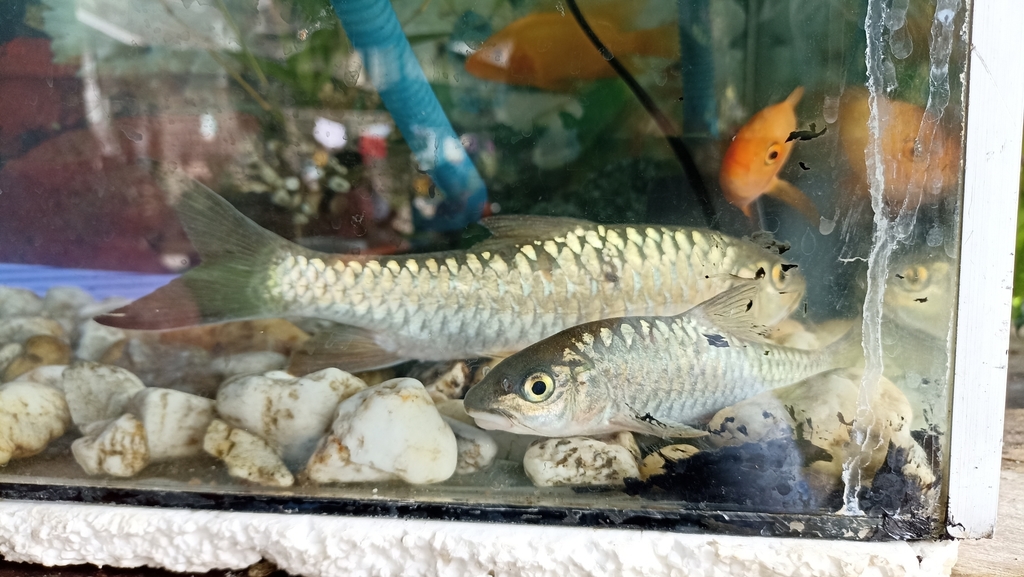
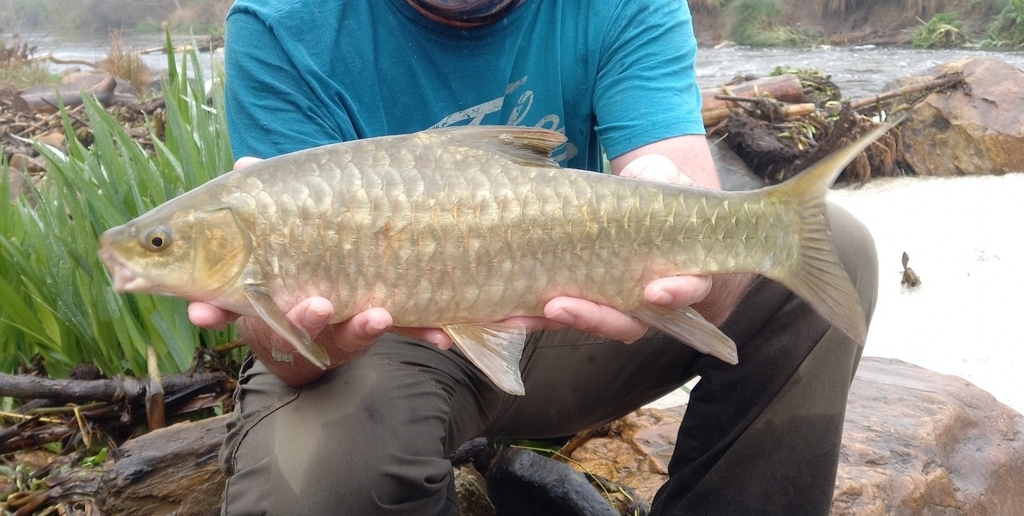
The Tor tambroides, commonly known as the Indonesia Mahseer Fish, is a species of freshwater fish belonging to the family Cyprinidae. Known for its striking coloration and robust body, this fish exhibits a streamlined silhouette that can reach impressive lengths of up to 70 cm. Its scales gleam with a silvery sheen, and it is often adorned with darker lateral stripes, making it a visually appealing addition to any aquatic display. This species is distinguished by its forked tail and large, rounded fins which contribute to its agile swimming abilities in fast-flowing waters.
In its natural habitat, the Indonesia Mahseer Fish is typically found in the rivers and streams of Southeast Asia, particularly in Indonesia. These environments are characterized by clear, oxygen-rich waters, often with rocky substrates that provide ample hiding spots and breeding grounds. The Indonesia Mahseer is a highly adaptable species, thriving in a variety of freshwater ecosystems, from fast currents to still waters, demonstrating a remarkable ability to navigate both shallow and deeper areas.
Behaviorally, Tor tambroides is known to be a social fish, often found in schools, which can enhance its vibrant display in an aquarium setting. They exhibit a keen foraging behavior, typically feeding on a diet of insects, crustaceans, and plant matter in the wild. This natural inclination towards foraging makes them an engaging species to observe, as they actively search for food and interact with one another. Their somewhat territorial nature becomes apparent during breeding periods when they may display aggressive behaviors towards other species.
In captivity, providing a spacious environment that mimics their natural habitat, including plenty of swimming space and hiding spots, will promote their health and well-being. Keeping them in a community tank with similarly sized fishes can result in a harmonious aquarium ecosystem, provided that their need for space and social interactions is respected.
In its natural habitat, the Indonesia Mahseer Fish is typically found in the rivers and streams of Southeast Asia, particularly in Indonesia. These environments are characterized by clear, oxygen-rich waters, often with rocky substrates that provide ample hiding spots and breeding grounds. The Indonesia Mahseer is a highly adaptable species, thriving in a variety of freshwater ecosystems, from fast currents to still waters, demonstrating a remarkable ability to navigate both shallow and deeper areas.
Behaviorally, Tor tambroides is known to be a social fish, often found in schools, which can enhance its vibrant display in an aquarium setting. They exhibit a keen foraging behavior, typically feeding on a diet of insects, crustaceans, and plant matter in the wild. This natural inclination towards foraging makes them an engaging species to observe, as they actively search for food and interact with one another. Their somewhat territorial nature becomes apparent during breeding periods when they may display aggressive behaviors towards other species.
In captivity, providing a spacious environment that mimics their natural habitat, including plenty of swimming space and hiding spots, will promote their health and well-being. Keeping them in a community tank with similarly sized fishes can result in a harmonious aquarium ecosystem, provided that their need for space and social interactions is respected.
To successfully care for the Tor tambroides, it's essential to maintain optimal water parameters. Ideal conditions include a temperature range of 22°C to 28°C, a pH level between 6.5 and 8.0, and well-oxygenated water. Regular water changes and proper filtration are crucial in maintaining water quality. These fish are omnivorous and thrive on a varied diet of high-quality pellets, frozen or live foods such as worms and insects, as well as plant matter to ensure balanced nutrition.
When introducing Tor tambroides to a new aquarium, acclimation should be done slowly to minimize stress. Floating the sealed bag in the tank for about 20 minutes before releasing the fish allows them to adjust to the water temperature. Quarantine for at least two weeks is recommended to prevent the introduction of any diseases into the main tank. They can be kept with other medium to large-sized fish that share similar water requirements, but caution should be exercised to avoid overly aggressive species.
Ensure that the tank is at least 300 liters to provide adequate swimming space, as these fish are known to be active swimmers. Regular monitoring of their behavior and health will help catch any issues early, ensuring a thriving community environment.
When introducing Tor tambroides to a new aquarium, acclimation should be done slowly to minimize stress. Floating the sealed bag in the tank for about 20 minutes before releasing the fish allows them to adjust to the water temperature. Quarantine for at least two weeks is recommended to prevent the introduction of any diseases into the main tank. They can be kept with other medium to large-sized fish that share similar water requirements, but caution should be exercised to avoid overly aggressive species.
Ensure that the tank is at least 300 liters to provide adequate swimming space, as these fish are known to be active swimmers. Regular monitoring of their behavior and health will help catch any issues early, ensuring a thriving community environment.
The Tor tambroides is suitable for shipping but requires careful handling to ensure their health during transit. Packing density should be moderate to provide adequate space for movement and reduce stress. It is essential to maintain a stable temperature between 22°C and 28°C during shipping, as fluctuations can be detrimental. This species is not listed under CITES, simplifying export regulations.
Species Parameters
Max Adult Size
70.0 cm
Origin
Southeast Asia
Diet
omnivore
Temp Min
22.0 °C
Temp Max
28.0 °C
pH Min
6.50
pH Max
8.00
Min Tank
300 L