Herbert Axelrod Rainbow
Melanotaenia herbertaxelrodi
Out of Stock
Scarce stock
Wild Caught
Moderate care
Not Reef Safe
SKU: 01-A-15-048-09
The Herbert Axelrod Rainbow is a vibrant freshwater fish known for its striking colors and peaceful nature.
Pricing for Verified Importers
Log in to see wholesale prices and order.
Export Size
up to 8.0 cm
Origin
Southeast Asia
Temperature
24.0–28.0°C
Min. Tank Size
100 L
pH
6.50–7.50
Diet
omnivore
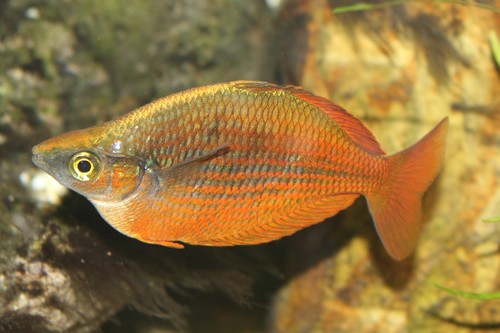
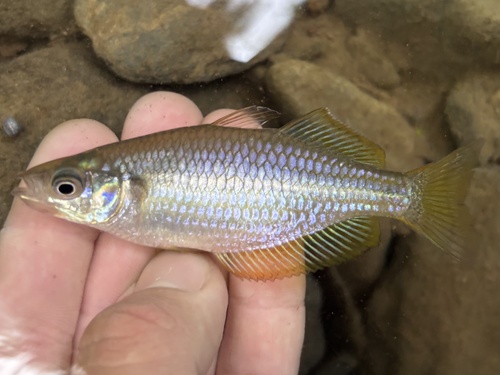
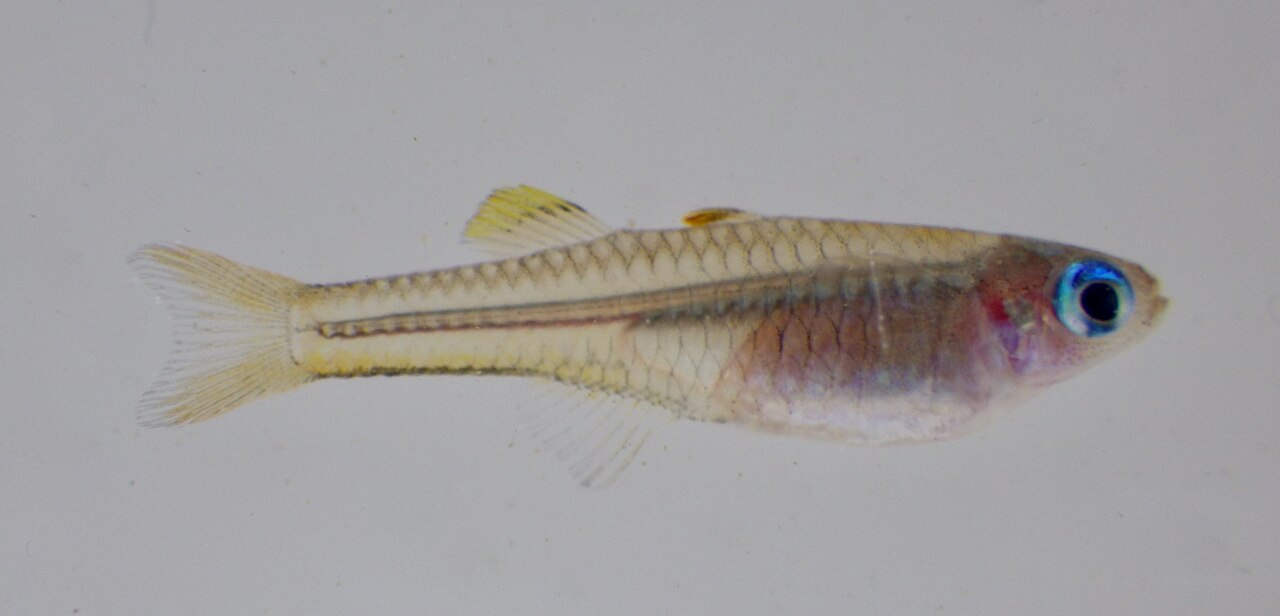
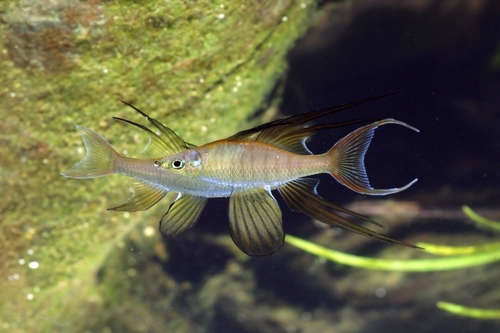
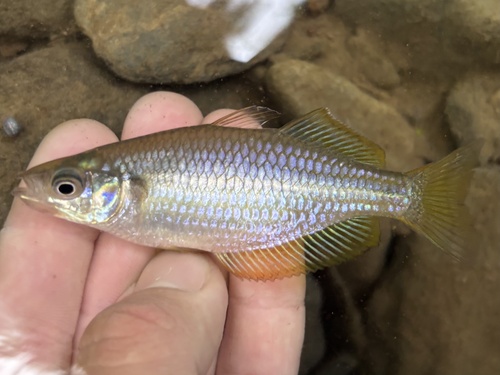
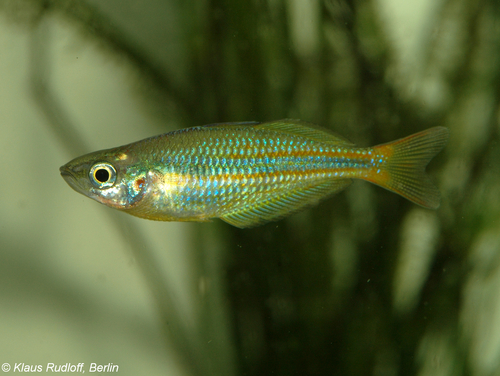
The Herbert Axelrod Rainbow, scientifically known as Melanotaenia herbertaxelrodi, is a dazzling freshwater fish endemic to the rivers of Papua New Guinea and Indonesia. Named after the renowned aquarist Herbert Axelrod, this species is celebrated for its stunning iridescent coloration, which often displays a mix of blues, greens, and pinks. Adult fish typically showcase a bright blue body with a vivid red-orange stripe along the lateral line, making them a popular choice among aquarists and collectors alike.
In terms of behavior, the Herbert Axelrod Rainbow is known for its active and social nature. These fish thrive in groups, exhibiting a range of playful interactions. They are peaceful and can be housed with a variety of other species, making them an excellent addition to community aquariums. In their natural habitat, they inhabit clear, slow-moving waters filled with vegetation, which provides both food and shelter from predators.
The preferred habitat of the Herbert Axelrod Rainbow consists of freshwater rivers and streams rich in plant life. They are often found in areas with abundant aquatic vegetation, where they feed on small insects and plant matter. This species is adapted to a variety of water conditions, but they flourish in warm, well-oxygenated environments with a gentle current. Their vibrant colors are not just for show; they also play a role in communication and mating displays within their social groups.
Overall, the Herbert Axelrod Rainbow is a captivating species that adds beauty and dynamism to any aquarium. Its hardiness and sociable nature make it an ideal choice for both novice and experienced aquarists looking to create a lively aquatic environment.
In terms of behavior, the Herbert Axelrod Rainbow is known for its active and social nature. These fish thrive in groups, exhibiting a range of playful interactions. They are peaceful and can be housed with a variety of other species, making them an excellent addition to community aquariums. In their natural habitat, they inhabit clear, slow-moving waters filled with vegetation, which provides both food and shelter from predators.
The preferred habitat of the Herbert Axelrod Rainbow consists of freshwater rivers and streams rich in plant life. They are often found in areas with abundant aquatic vegetation, where they feed on small insects and plant matter. This species is adapted to a variety of water conditions, but they flourish in warm, well-oxygenated environments with a gentle current. Their vibrant colors are not just for show; they also play a role in communication and mating displays within their social groups.
Overall, the Herbert Axelrod Rainbow is a captivating species that adds beauty and dynamism to any aquarium. Its hardiness and sociable nature make it an ideal choice for both novice and experienced aquarists looking to create a lively aquatic environment.
To successfully care for the Herbert Axelrod Rainbow, maintaining suitable water parameters is crucial. Ideal temperature ranges between 24°C and 28°C, with a pH level around 6.5 to 7.5. Regular water changes are recommended to ensure optimal water quality, as these fish thrive in well-aerated environments. An aquarium of at least 100 liters is advised, providing ample swimming space and plant cover.
Feeding the Herbert Axelrod Rainbow is straightforward, as they are omnivorous and accept a varied diet. High-quality flake food, along with live or frozen foods such as brine shrimp and daphnia, will promote vibrant colors and good health. It is essential to feed them small portions 2-3 times a day, ensuring that any uneaten food is promptly removed to maintain water quality.
Compatibility is another important aspect of their care. The Herbert Axelrod Rainbow is non-aggressive and can coexist peacefully with other community fish. However, they should not be kept with overly aggressive species that may stress them. Acclimation should be done gradually to minimize stress; floating the bag in the tank for 15-20 minutes before releasing them is recommended.
Quarantine is advisable for new arrivals to prevent the spread of disease. A separate tank should be set up for at least two weeks before introducing them to the main aquarium. This practice ensures that the fish are healthy and reduces the risk of introducing pathogens into the established environment.
Feeding the Herbert Axelrod Rainbow is straightforward, as they are omnivorous and accept a varied diet. High-quality flake food, along with live or frozen foods such as brine shrimp and daphnia, will promote vibrant colors and good health. It is essential to feed them small portions 2-3 times a day, ensuring that any uneaten food is promptly removed to maintain water quality.
Compatibility is another important aspect of their care. The Herbert Axelrod Rainbow is non-aggressive and can coexist peacefully with other community fish. However, they should not be kept with overly aggressive species that may stress them. Acclimation should be done gradually to minimize stress; floating the bag in the tank for 15-20 minutes before releasing them is recommended.
Quarantine is advisable for new arrivals to prevent the spread of disease. A separate tank should be set up for at least two weeks before introducing them to the main aquarium. This practice ensures that the fish are healthy and reduces the risk of introducing pathogens into the established environment.
The Herbert Axelrod Rainbow is suitable for shipping due to its resilience and adaptability. It is recommended to pack them in well-oxygenated bags, limiting the density to 1-2 fish per liter of water to minimize stress during transport. Maintain temperatures between 20°C and 25°C during shipping to ensure their well-being. As of now, this species is not listed under CITES, simplifying export regulations.
Species Parameters
Max Adult Size
8.0 cm
Origin
Southeast Asia
Diet
omnivore
Temp Min
24.0 °C
Temp Max
28.0 °C
pH Min
6.50
pH Max
7.50
Min Tank
100 L