Threadfin Rainbow Balloon
Iriantherina werneri sp.
In Stock
Common stock
Wild Caught
Moderate care
Not Reef Safe
SKU: 01-A-15-061-04
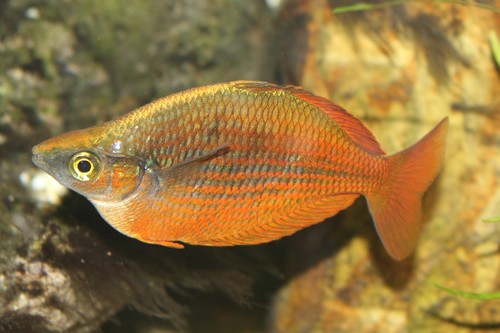
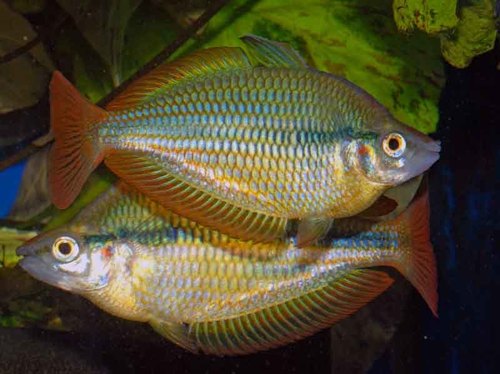
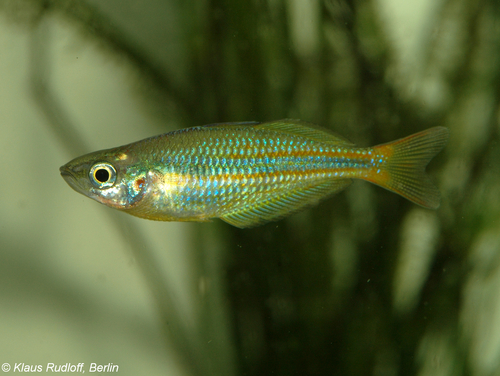
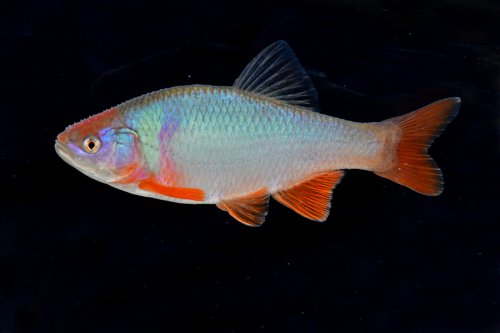
The Threadfin Rainbow Balloon is a vibrant freshwater fish known for its stunning colors and unique balloon-like body shape.
Pricing for Verified Importers
Log in to see wholesale prices and order.
Export Size
up to 5.0 cm
Origin
Southeast Asia
Temperature
24.0–28.0°C
Min. Tank Size
100 L
pH
6.00–7.50
Diet
omnivore
The Threadfin Rainbow Balloon (Iriantherina werneri sp.) is a captivating freshwater fish native to the rivers and lakes of Papua New Guinea and Irian Jaya, Indonesia. This species is particularly notable for its striking appearance, characterized by elongated fins and a round, balloon-like body that adds a distinctive flair to any aquarium. The vibrant colors of the males, especially during breeding, can range from deep blues to vivid reds, making them a favorite among aquarists who appreciate aesthetically pleasing fish.
In the wild, Threadfin Rainbow Balloons inhabit slow-moving waters with abundant vegetation, where they can find refuge from predators. They thrive in schools and are known for their peaceful demeanor, making them suitable for community tanks. Their natural diet consists of small invertebrates and plant matter, which they forage for in their natural habitats. These fish exhibit interesting behaviors, particularly during mating displays when males showcase their vibrant colors and fin extensions to attract females.
Their habitat is typically characterized by soft, acidic waters with plenty of floating plants and submerged wood, providing both cover and foraging opportunities. As a species that prefers slightly warmer temperatures, they are often found in areas with stable climatic conditions, which makes them sensitive to sudden changes in their environment. Understanding their natural habitat is crucial for successful aquarium care and breeding.
Threadfin Rainbow Balloons are not only beautiful but also relatively easy to care for, making them a perfect choice for both novice and experienced aquarists. Their peaceful nature and vibrant colors can enhance any aquarium setting, providing a lively and colorful display that captivates viewers.
In the wild, Threadfin Rainbow Balloons inhabit slow-moving waters with abundant vegetation, where they can find refuge from predators. They thrive in schools and are known for their peaceful demeanor, making them suitable for community tanks. Their natural diet consists of small invertebrates and plant matter, which they forage for in their natural habitats. These fish exhibit interesting behaviors, particularly during mating displays when males showcase their vibrant colors and fin extensions to attract females.
Their habitat is typically characterized by soft, acidic waters with plenty of floating plants and submerged wood, providing both cover and foraging opportunities. As a species that prefers slightly warmer temperatures, they are often found in areas with stable climatic conditions, which makes them sensitive to sudden changes in their environment. Understanding their natural habitat is crucial for successful aquarium care and breeding.
Threadfin Rainbow Balloons are not only beautiful but also relatively easy to care for, making them a perfect choice for both novice and experienced aquarists. Their peaceful nature and vibrant colors can enhance any aquarium setting, providing a lively and colorful display that captivates viewers.
To ensure the health and well-being of Threadfin Rainbow Balloons, it is essential to maintain optimal water conditions. Ideal water parameters include a temperature range of 24-28°C, a pH level between 6.0 and 7.5, and soft to moderately hard water. Regular water changes are crucial to keep nitrate levels low and maintain overall water quality.
Feeding these fish is relatively straightforward, as they are omnivores. A varied diet consisting of high-quality flake food, live or frozen foods like brine shrimp and daphnia, and finely chopped vegetables will help them thrive. It's important to observe their feeding behavior, as they may compete for food in a community tank, so providing ample food is essential.
Threadfin Rainbow Balloons are best kept in groups of at least six to promote natural schooling behavior. They are compatible with other peaceful species, but care should be taken to avoid aggressive tank mates that may stress them. Acclimating new arrivals should be done gradually, using a drip acclimation method to minimize shock.
Quarantine new fish for at least two weeks before introducing them to the main tank to prevent the spread of diseases. Regular monitoring for signs of stress or illness is crucial, as early intervention can significantly improve outcomes. With proper care, these fish can thrive and bring joy to any aquarium enthusiast.
Feeding these fish is relatively straightforward, as they are omnivores. A varied diet consisting of high-quality flake food, live or frozen foods like brine shrimp and daphnia, and finely chopped vegetables will help them thrive. It's important to observe their feeding behavior, as they may compete for food in a community tank, so providing ample food is essential.
Threadfin Rainbow Balloons are best kept in groups of at least six to promote natural schooling behavior. They are compatible with other peaceful species, but care should be taken to avoid aggressive tank mates that may stress them. Acclimating new arrivals should be done gradually, using a drip acclimation method to minimize shock.
Quarantine new fish for at least two weeks before introducing them to the main tank to prevent the spread of diseases. Regular monitoring for signs of stress or illness is crucial, as early intervention can significantly improve outcomes. With proper care, these fish can thrive and bring joy to any aquarium enthusiast.
The Threadfin Rainbow Balloon is suitable for shipping, but care must be taken to maintain stable temperatures during transit. Packing density should allow for adequate oxygen exchange, ideally shipping no more than 5-6 fish per bag. Maintain temperatures between 24-28°C during transport to minimize stress. This species is not listed under CITES, which simplifies export procedures.
Species Parameters
Max Adult Size
5.0 cm
Origin
Southeast Asia
Diet
omnivore
Temp Min
24.0 °C
Temp Max
28.0 °C
pH Min
6.00
pH Max
7.50
Min Tank
100 L