Red Rainbow
Glossolepis incisus
Out of Stock
Scarce stock
Wild Caught
Moderate care
Not Reef Safe
SKU: 01-A-15-003-07
The Red Rainbow is a vibrant freshwater fish, ideal for colorful community tanks.
Pricing for Verified Importers
Log in to see wholesale prices and order.
Export Size
up to 10.0 cm
Origin
Southeast Asia
Temperature
24.0–28.0°C
Min. Tank Size
100 L
pH
6.50–7.50
Diet
omnivore
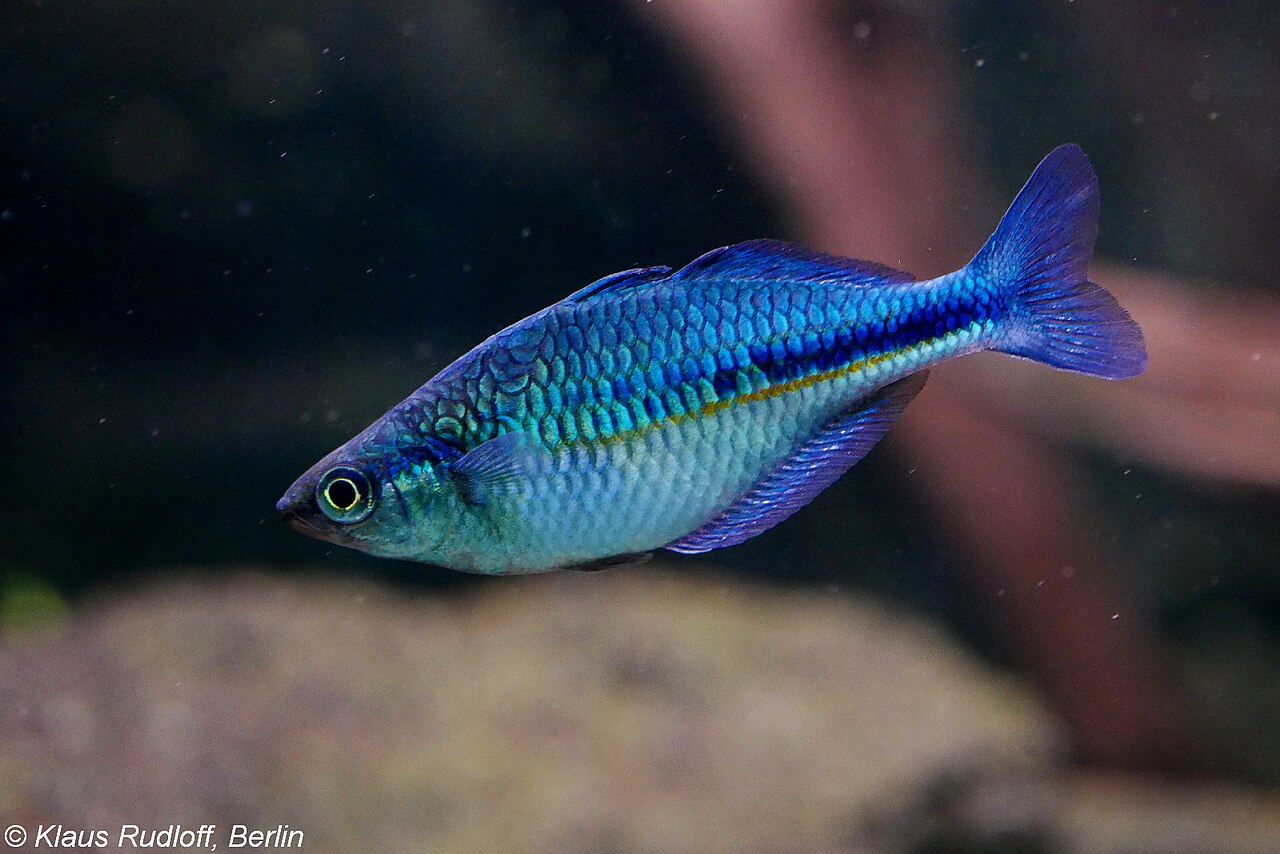
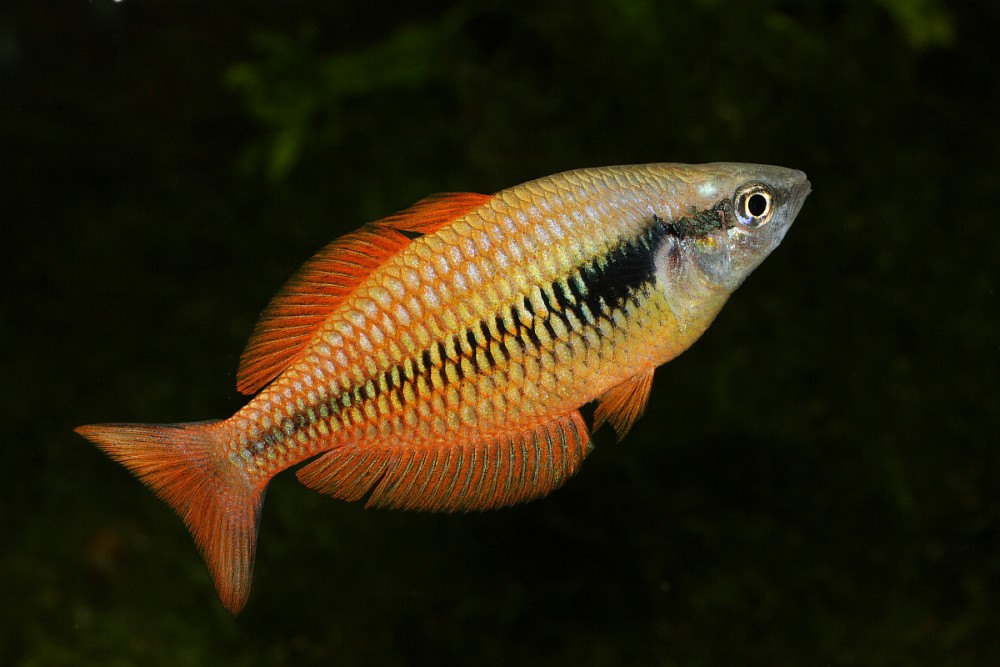
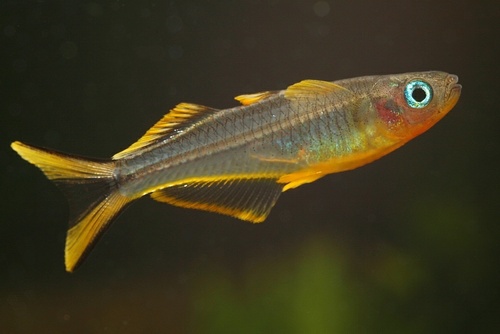
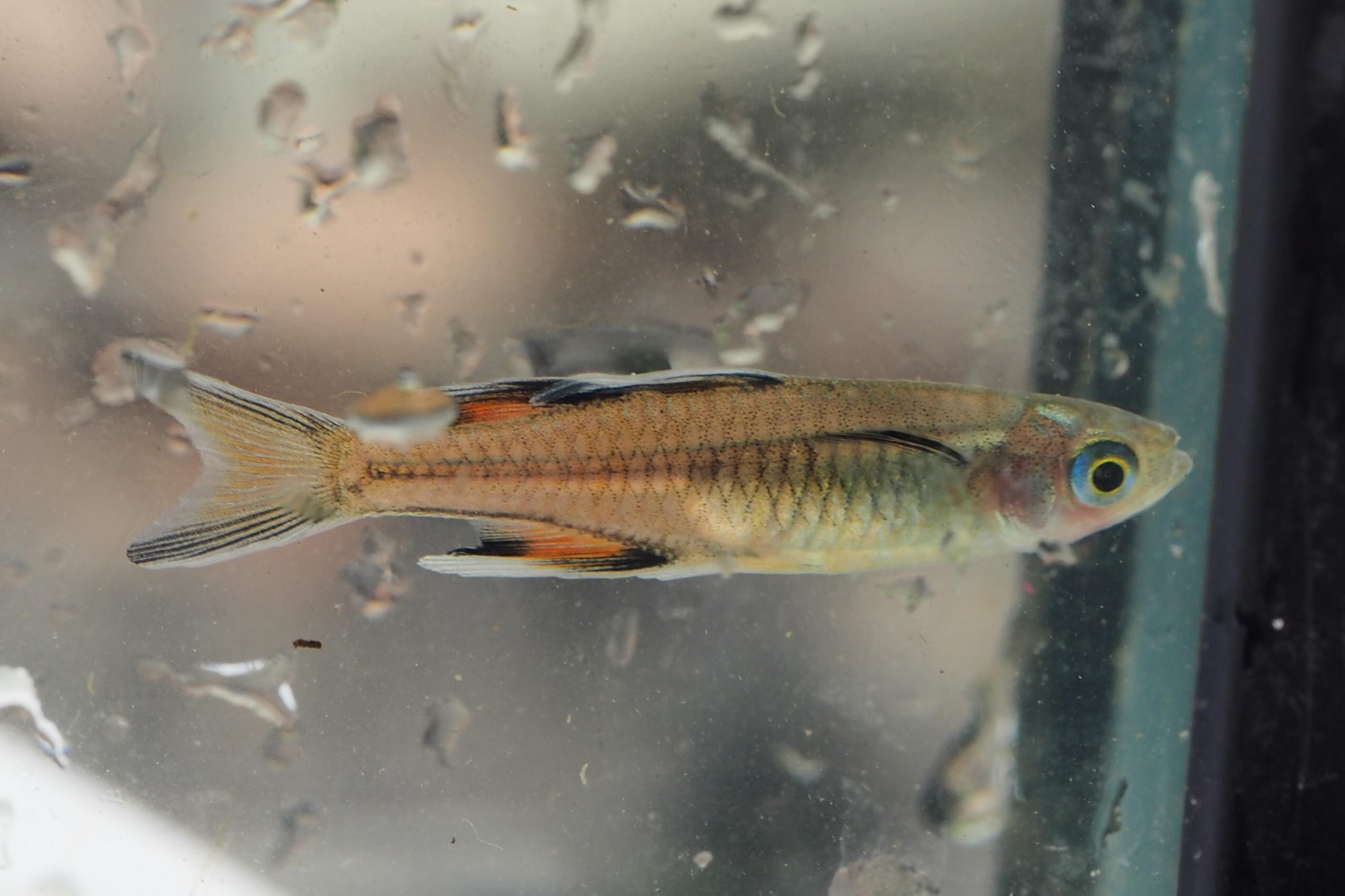
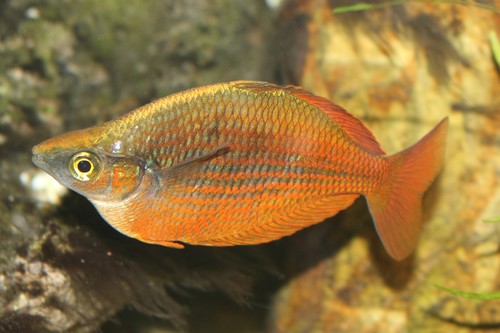
The Red Rainbow, scientifically known as Glossolepis incisus, is a stunning freshwater fish native to the lakes and rivers of Papua New Guinea and Indonesia, particularly around Bali. This species is renowned for its vibrant coloration, which features a brilliant red-orange hue on its body that becomes particularly pronounced during breeding. The fish exhibits an elongated body shape and a streamlined profile, helping it to navigate swiftly through its aquatic environment. Its fins are also adorned with striking colors, making it a popular choice for both hobbyists and commercial aquarists.
In terms of natural history, Red Rainbows thrive in various habitats, from slow-moving rivers to lakes with dense vegetation. They often inhabit areas with plenty of cover, such as submerged plants and driftwood, which provide shelter from predators and a place to forage for food. These fish are social creatures, typically found in small to large schools, which enhances their vibrant display as they swim together in harmony. Their active nature and peaceful temperament make them an excellent addition to community aquariums.
Behaviorally, Red Rainbows are known for their playful demeanor and curious nature. They are diurnal, meaning they are most active during the day, and exhibit interesting social interactions within their groups. Breeding displays involve elaborate courtship behaviors, where males showcase their colors to attract females. This not only highlights their beauty but also engages aquarists in observing their natural behaviors in a captive environment.
Lastly, their adaptability to various water conditions allows for easier maintenance in aquariums. However, providing a well-planted tank with open swimming space will encourage natural behaviors and vibrant color displays, making the Red Rainbow a striking centerpiece in any freshwater aquarium setup.
In terms of natural history, Red Rainbows thrive in various habitats, from slow-moving rivers to lakes with dense vegetation. They often inhabit areas with plenty of cover, such as submerged plants and driftwood, which provide shelter from predators and a place to forage for food. These fish are social creatures, typically found in small to large schools, which enhances their vibrant display as they swim together in harmony. Their active nature and peaceful temperament make them an excellent addition to community aquariums.
Behaviorally, Red Rainbows are known for their playful demeanor and curious nature. They are diurnal, meaning they are most active during the day, and exhibit interesting social interactions within their groups. Breeding displays involve elaborate courtship behaviors, where males showcase their colors to attract females. This not only highlights their beauty but also engages aquarists in observing their natural behaviors in a captive environment.
Lastly, their adaptability to various water conditions allows for easier maintenance in aquariums. However, providing a well-planted tank with open swimming space will encourage natural behaviors and vibrant color displays, making the Red Rainbow a striking centerpiece in any freshwater aquarium setup.
To ensure the health and longevity of Red Rainbows, maintain water conditions within a temperature range of 24-28°C and a pH level between 6.5 and 7.5. They thrive in soft to moderately hard water, with a general hardness of 5-15 dGH. A well-cycled tank of at least 100 liters is recommended to provide ample swimming space and stable water parameters.
Feeding Red Rainbows is straightforward, as they are omnivorous. A varied diet consisting of high-quality flake food, pellets, and live or frozen foods like brine shrimp and daphnia will promote vibrant colors and overall health. Regular feeding 2-3 times a day is ideal.
In terms of compatibility, these fish are peaceful and do well in community tanks with other non-aggressive species. Avoid housing them with larger, predatory fish that may see them as food. When introducing new specimens, acclimation is crucial; use a drip acclimation method over a period of 2-3 hours to minimize stress.
Quarantine new arrivals for at least two weeks to prevent the spread of diseases. This will help ensure a healthy population in your main aquarium and allow you to observe any potential health issues before introduction.
Feeding Red Rainbows is straightforward, as they are omnivorous. A varied diet consisting of high-quality flake food, pellets, and live or frozen foods like brine shrimp and daphnia will promote vibrant colors and overall health. Regular feeding 2-3 times a day is ideal.
In terms of compatibility, these fish are peaceful and do well in community tanks with other non-aggressive species. Avoid housing them with larger, predatory fish that may see them as food. When introducing new specimens, acclimation is crucial; use a drip acclimation method over a period of 2-3 hours to minimize stress.
Quarantine new arrivals for at least two weeks to prevent the spread of diseases. This will help ensure a healthy population in your main aquarium and allow you to observe any potential health issues before introduction.
Red Rainbows are suitable for shipping due to their hardy nature. When packing for export, maintain a density of no more than 1 fish per liter to ensure adequate oxygen and reduce stress. Ideal shipping temperatures range from 24-26°C. No CITES restrictions apply to this species, making it an accessible option for international trade.
Species Parameters
Max Adult Size
10.0 cm
Origin
Southeast Asia
Diet
omnivore
Temp Min
24.0 °C
Temp Max
28.0 °C
pH Min
6.50
pH Max
7.50
Min Tank
100 L