Rasbora bankanensis
Rasbora bankanensis
Out of Stock
Scarce stock
Wild Caught
Easy care
Not Reef Safe
SKU: 01-A-19-010-15
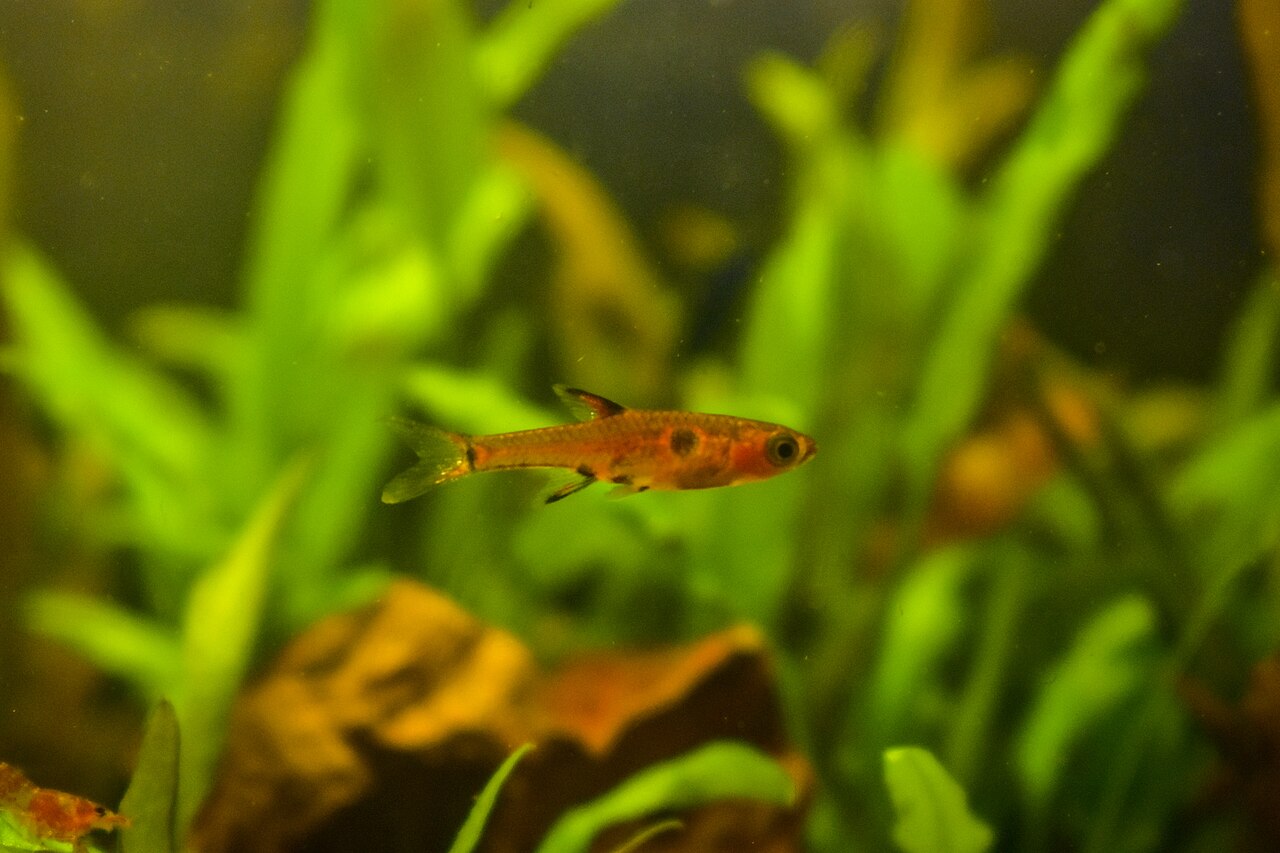
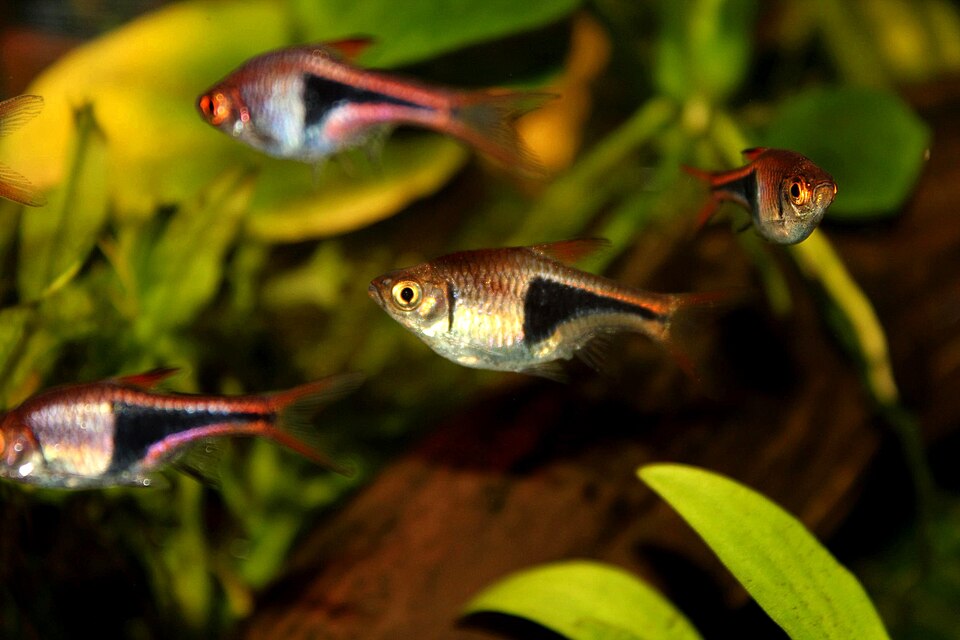
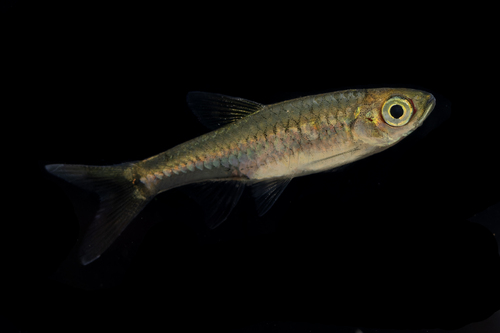
Rasbora bankanensis is a stunning freshwater fish prized for its vibrant colors and peaceful nature.
Pricing for Verified Importers
Log in to see wholesale prices and order.
Export Size
up to 5.0 cm
Origin
Southeast Asia
Temperature
24.0–28.0°C
Min. Tank Size
100 L
pH
6.00–7.50
Diet
omnivore
Rasbora bankanensis, commonly known as the bankanensis rasbora, is a small, freshwater fish native to Southeast Asia, particularly found in the rivers and streams of Indonesia, including Bali. This species typically inhabits slow-moving waters with abundant vegetation, which provides both shelter and foraging opportunities. The bankanensis rasbora is known for its striking coloration, with a distinct iridescent sheen that reflects shades of blue and green, complemented by subtle orange and red hues on its fins. Adult fish typically reach a maximum size of around 5 cm, making them an ideal choice for community tanks.
Behaviorally, Rasbora bankanensis is a peaceful species that thrives in shoals, exhibiting social interactions that can be quite engaging for aquarists. They are often seen swimming gracefully in groups, foraging for food and exploring their environment. Their calm demeanor makes them compatible with a variety of other small, non-aggressive fish, making them an excellent addition to community aquariums. The bankanensis rasbora is also known for its interesting breeding behavior; they are egg scatterers, often laying their eggs among dense vegetation.
In the wild, these fish prefer habitats with a gentle flow and ample cover from plants. This preference reflects their need for security and their natural foraging habits, as they feed on small invertebrates and plant matter. The presence of water plants not only provides shelter but also contributes to the overall health of their ecosystem by maintaining water quality. The bankanensis rasbora’s adaptability to various environments, combined with its aesthetic appeal, makes it a popular choice for aquarists looking to create a lively and colorful aquarium.
Overall, Rasbora bankanensis stands out for its beauty and community-friendly nature, making it a favored species among hobbyists and a valuable export for wholesalers in the aquarium trade.
Behaviorally, Rasbora bankanensis is a peaceful species that thrives in shoals, exhibiting social interactions that can be quite engaging for aquarists. They are often seen swimming gracefully in groups, foraging for food and exploring their environment. Their calm demeanor makes them compatible with a variety of other small, non-aggressive fish, making them an excellent addition to community aquariums. The bankanensis rasbora is also known for its interesting breeding behavior; they are egg scatterers, often laying their eggs among dense vegetation.
In the wild, these fish prefer habitats with a gentle flow and ample cover from plants. This preference reflects their need for security and their natural foraging habits, as they feed on small invertebrates and plant matter. The presence of water plants not only provides shelter but also contributes to the overall health of their ecosystem by maintaining water quality. The bankanensis rasbora’s adaptability to various environments, combined with its aesthetic appeal, makes it a popular choice for aquarists looking to create a lively and colorful aquarium.
Overall, Rasbora bankanensis stands out for its beauty and community-friendly nature, making it a favored species among hobbyists and a valuable export for wholesalers in the aquarium trade.
When caring for Rasbora bankanensis, it is essential to provide optimal water conditions to ensure their health and well-being. The ideal water temperature ranges from 24°C to 28°C, with a pH level between 6.0 and 7.5. They thrive in soft to moderately hard water, so regular water changes and monitoring of water parameters are crucial. A well-planted aquarium with plenty of hiding spots will mimic their natural habitat and reduce stress levels.
In terms of diet, Rasbora bankanensis is omnivorous and can be fed a varied diet consisting of high-quality flake foods, small pellets, and live or frozen foods such as brine shrimp and daphnia. Regular feeding of a varied diet will enhance their coloration and overall health. As for compatibility, they are peaceful fish that can be kept with other small, non-aggressive species, making them suitable for community tanks.
Acclimation is key when introducing bankanensis rasboras into a new tank. It’s recommended to use the drip acclimation method to minimize stress and shock. Quarantine new arrivals for at least two weeks to ensure they are healthy and free from disease before adding them to the main tank. Proper care and attention to their needs will result in thriving fish that display their vibrant colors and engaging behaviors.
In terms of diet, Rasbora bankanensis is omnivorous and can be fed a varied diet consisting of high-quality flake foods, small pellets, and live or frozen foods such as brine shrimp and daphnia. Regular feeding of a varied diet will enhance their coloration and overall health. As for compatibility, they are peaceful fish that can be kept with other small, non-aggressive species, making them suitable for community tanks.
Acclimation is key when introducing bankanensis rasboras into a new tank. It’s recommended to use the drip acclimation method to minimize stress and shock. Quarantine new arrivals for at least two weeks to ensure they are healthy and free from disease before adding them to the main tank. Proper care and attention to their needs will result in thriving fish that display their vibrant colors and engaging behaviors.
Rasbora bankanensis is a hardy species, making them suitable for shipping under the right conditions. It is recommended to maintain a packing density of 1 liter per fish to ensure adequate space. Temperature during transport should be kept between 20°C and 25°C to minimize stress. This species is not listed under CITES, allowing for easier export and trade. Proper packing with oxygenated water will help ensure their safe arrival to importers and retailers.
Species Parameters
Max Adult Size
5.0 cm
Origin
Southeast Asia
Diet
omnivore
Temp Min
24.0 °C
Temp Max
28.0 °C
pH Min
6.00
pH Max
7.50
Min Tank
100 L