Scissorstail Rasbora
Rasbora trilineata
In Stock
Common stock
Wild Caught
Easy care
Not Reef Safe
SKU: 01-A-19-022-15
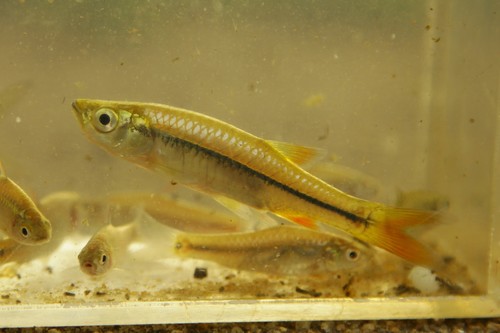
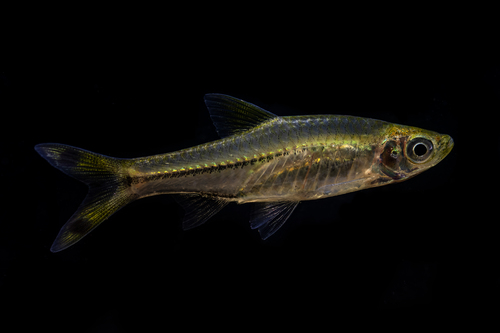
The Scissorstail Rasbora is a captivating freshwater fish known for its striking appearance and lively behavior.
Pricing for Verified Importers
Log in to see wholesale prices and order.
Export Size
up to 15.0 cm
Origin
Southeast Asia
Temperature
24.0–28.0°C
Min. Tank Size
100 L
pH
6.00–7.50
Diet
omnivore
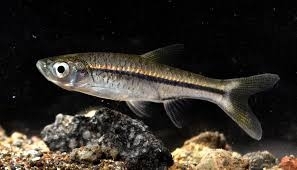
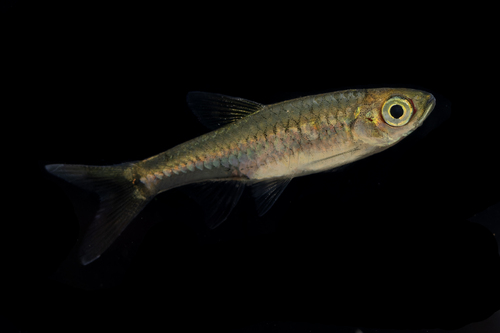
Rasbora trilineata, commonly referred to as the Scissorstail Rasbora or Three-Lined Rasbora, is a vibrant species native to Southeast Asia. Known for its distinctive coloration, this species features a sleek body with a striking pattern of three horizontal lines running along its sides. These lines contrast beautifully with the iridescent scales, making the fish a popular choice among aquarium enthusiasts. The Scissorstail Rasbora can grow up to 15 cm (6 inches) in length, which allows it to make a significant visual impact in a well-planted aquarium environment.
In its natural habitat, the Scissorstail Rasbora inhabits slow-moving rivers, streams, and ponds, often found among dense vegetation. This species is known to thrive in schools, exhibiting schooling behavior that enhances their visual appeal in an aquarium setting. Their social nature makes them peaceful community fish, ideal for larger tanks with compatible species. They are particularly active during dawn and dusk, showcasing their playful antics as they dart around the aquarium.
Behaviorally, Scissorstail Rasboras are known for their energetic swimming patterns and social interactions. They thrive in groups of six or more, where they feel secure and display their natural behaviors. This species is relatively hardy, making it suitable for both novice and experienced aquarists. When provided with adequate space and suitable tank mates, they can create a dynamic and lively display in a freshwater aquarium.
The Scissorstail Rasbora prefers a well-planted aquarium with plenty of hiding spots, mimicking its natural habitat. Maintaining clean water conditions, combined with a slightly acidic to neutral pH, will promote the health and well-being of these fish. Regular water changes and careful monitoring of water quality are essential for their successful care in captivity.
In its natural habitat, the Scissorstail Rasbora inhabits slow-moving rivers, streams, and ponds, often found among dense vegetation. This species is known to thrive in schools, exhibiting schooling behavior that enhances their visual appeal in an aquarium setting. Their social nature makes them peaceful community fish, ideal for larger tanks with compatible species. They are particularly active during dawn and dusk, showcasing their playful antics as they dart around the aquarium.
Behaviorally, Scissorstail Rasboras are known for their energetic swimming patterns and social interactions. They thrive in groups of six or more, where they feel secure and display their natural behaviors. This species is relatively hardy, making it suitable for both novice and experienced aquarists. When provided with adequate space and suitable tank mates, they can create a dynamic and lively display in a freshwater aquarium.
The Scissorstail Rasbora prefers a well-planted aquarium with plenty of hiding spots, mimicking its natural habitat. Maintaining clean water conditions, combined with a slightly acidic to neutral pH, will promote the health and well-being of these fish. Regular water changes and careful monitoring of water quality are essential for their successful care in captivity.
To ensure the health and vitality of the Scissorstail Rasbora, it is important to maintain optimal water parameters. The ideal temperature range is between 24°C and 28°C, with a pH level between 6.0 and 7.5. It's also crucial to provide a minimum tank size of 100 liters to accommodate their schooling nature and activity levels. The aquarium should be well-planted, offering hiding spots and open swimming spaces.
In terms of diet, Scissorstail Rasboras are omnivorous. They thrive on a varied diet that includes high-quality flake food, micro-pellets, and occasional live or frozen foods such as daphnia and brine shrimp. Feeding should be done 1-2 times a day, ensuring that any uneaten food is promptly removed to maintain water quality.
Compatibility is a strong suit for the Scissorstail Rasbora, as they coexist well with other peaceful freshwater species. Avoid housing them with aggressive fish that may stress them out. When introducing new fish to the tank, proper acclimation is essential. Gradually acclimate the fish over several hours to minimize stress. Additionally, a quarantine period of at least two weeks is recommended for any new arrivals to prevent the spread of diseases.
Regular maintenance, including water changes and monitoring of water parameters, will contribute to the longevity and health of the Scissorstail Rasbora in a community aquarium.
In terms of diet, Scissorstail Rasboras are omnivorous. They thrive on a varied diet that includes high-quality flake food, micro-pellets, and occasional live or frozen foods such as daphnia and brine shrimp. Feeding should be done 1-2 times a day, ensuring that any uneaten food is promptly removed to maintain water quality.
Compatibility is a strong suit for the Scissorstail Rasbora, as they coexist well with other peaceful freshwater species. Avoid housing them with aggressive fish that may stress them out. When introducing new fish to the tank, proper acclimation is essential. Gradually acclimate the fish over several hours to minimize stress. Additionally, a quarantine period of at least two weeks is recommended for any new arrivals to prevent the spread of diseases.
Regular maintenance, including water changes and monitoring of water parameters, will contribute to the longevity and health of the Scissorstail Rasbora in a community aquarium.
The Scissorstail Rasbora is suitable for export, provided they are packed carefully to ensure minimal stress during transport. Proper packing density should be maintained, with a maximum of 10-12 fish per liter to ensure adequate oxygen levels. The ideal shipping temperature is between 24°C and 28°C, which aligns with their comfort range. They are not listed under CITES, making export regulations straightforward for this species.
Species Parameters
Max Adult Size
15.0 cm
Origin
Southeast Asia
Diet
omnivore
Temp Min
24.0 °C
Temp Max
28.0 °C
pH Min
6.00
pH Max
7.50
Min Tank
100 L