Micro Rasbora
Microrasbora galaxy
In Stock
Common stock
Wild Caught
Easy care
Not Reef Safe
SKU: 01-A-19-004-02
The Micro Rasbora is a stunning nano fish, perfect for small aquariums.
Pricing for Verified Importers
Log in to see wholesale prices and order.
Export Size
up to 2.5 cm
Origin
Southeast Asia
Temperature
24.0–28.0°C
Min. Tank Size
30 L
pH
6.00–7.50
Diet
omnivore
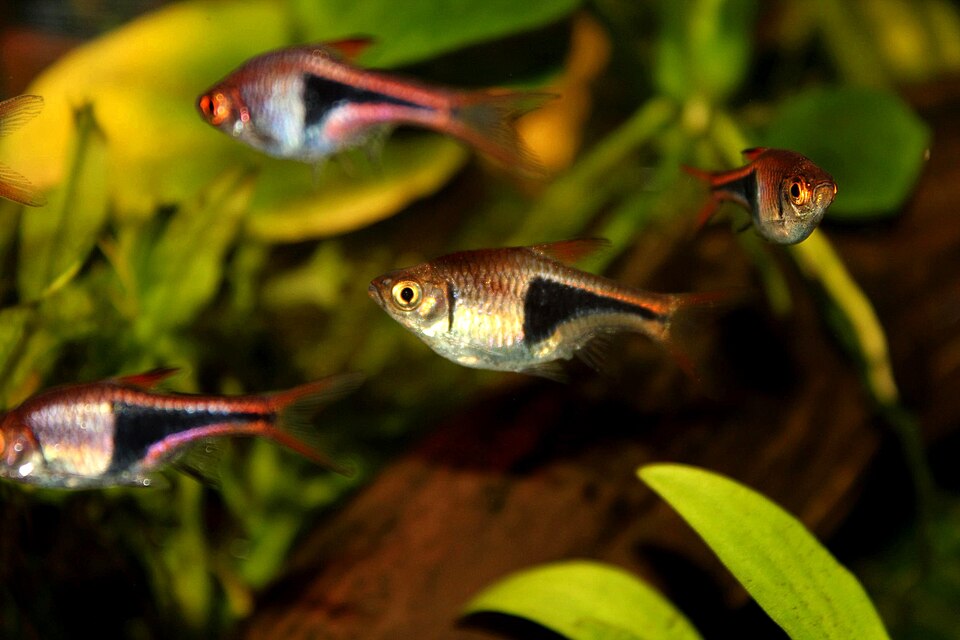
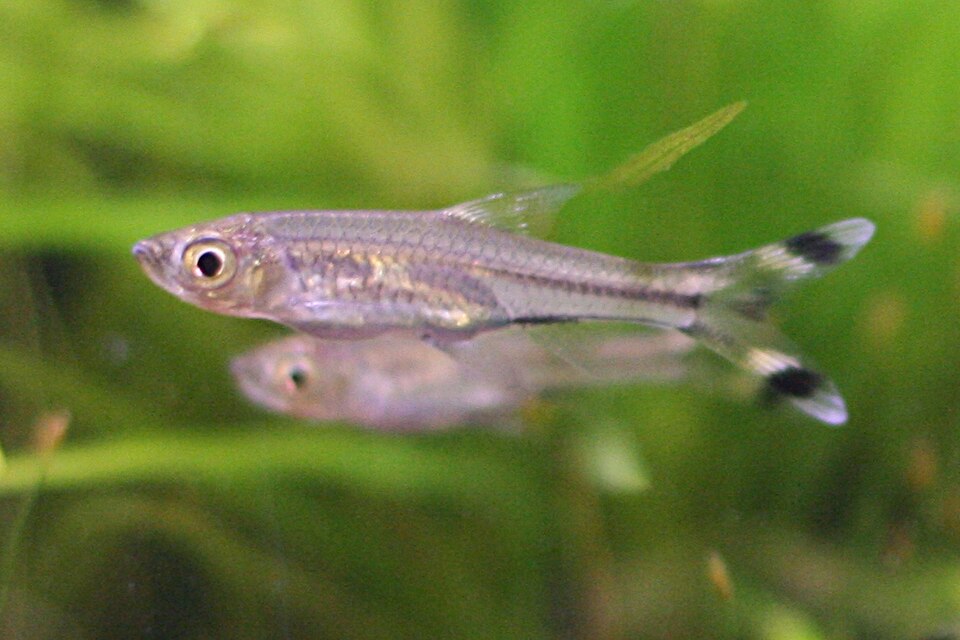
The Micro Rasbora, scientifically known as Microrasbora galaxy, is an enchanting freshwater fish native to the small streams and rivers of Southeast Asia, particularly found in Malaysia and Indonesia. This species is celebrated for its vibrant coloration, featuring a delicate blend of shimmering blue and gold that resembles a starry galaxy, making it a popular choice among aquarists who appreciate nano fish.
Adult Micro Rasboras typically reach a maximum size of around 2.5 cm, making them ideal for small aquariums or community setups. They possess a slender, elongated body shape that contributes to their graceful swimming style. Their peaceful demeanor and schooling nature create a captivating display when kept in groups, as they dart in unison, showcasing their stunning coloration.
In their natural habitat, Micro Rasboras thrive in dense vegetation along the banks of slow-moving waters. They prefer warm, soft, and slightly acidic water, which mirrors their native environment. These fish are often found among leaf litter and floating plants, which provide essential cover and foraging opportunities. The presence of such structures in an aquarium setup can enhance their well-being and mimic their natural surroundings.
Behaviorally, Micro Rasboras are social creatures that flourish in groups of six or more. They exhibit a calm and non-aggressive temperament, making them compatible with other small, peaceful species. Their active nature and schooling habits not only promote their health but also create a visually dynamic aquarium environment, captivating both novice and experienced aquarists alike.
Adult Micro Rasboras typically reach a maximum size of around 2.5 cm, making them ideal for small aquariums or community setups. They possess a slender, elongated body shape that contributes to their graceful swimming style. Their peaceful demeanor and schooling nature create a captivating display when kept in groups, as they dart in unison, showcasing their stunning coloration.
In their natural habitat, Micro Rasboras thrive in dense vegetation along the banks of slow-moving waters. They prefer warm, soft, and slightly acidic water, which mirrors their native environment. These fish are often found among leaf litter and floating plants, which provide essential cover and foraging opportunities. The presence of such structures in an aquarium setup can enhance their well-being and mimic their natural surroundings.
Behaviorally, Micro Rasboras are social creatures that flourish in groups of six or more. They exhibit a calm and non-aggressive temperament, making them compatible with other small, peaceful species. Their active nature and schooling habits not only promote their health but also create a visually dynamic aquarium environment, captivating both novice and experienced aquarists alike.
To ensure the health and longevity of Micro Rasboras, it is essential to maintain optimal water parameters. The ideal temperature range for these fish is between 24-28°C, with a pH level of 6.0 to 7.5. Regular water changes and a well-established filtration system help maintain water quality, as these fish are sensitive to ammonia and nitrite levels.
Feeding Micro Rasboras is straightforward, as they are omnivorous and will accept a variety of foods. A diet consisting of high-quality flake food, micro-pellets, and occasional live or frozen foods like daphnia or brine shrimp will promote healthy growth and coloration. It is crucial to feed them in small amounts two to three times daily, ensuring all fish have access to food.
When introducing Micro Rasboras to a new aquarium, acclimation is key. Gradually introduce them to the tank environment over several hours, allowing them to adjust to temperature and water chemistry changes. Quarantine new arrivals for at least two weeks to monitor for any signs of disease, which helps prevent potential outbreaks in your main tank.
Compatibility-wise, Micro Rasboras do well in community tanks with other small, peaceful fish. Avoid pairing them with larger, aggressive species that may view them as prey. Keeping them in schools of six or more will reduce stress and enhance their natural behavior, making for a more engaging display.
Feeding Micro Rasboras is straightforward, as they are omnivorous and will accept a variety of foods. A diet consisting of high-quality flake food, micro-pellets, and occasional live or frozen foods like daphnia or brine shrimp will promote healthy growth and coloration. It is crucial to feed them in small amounts two to three times daily, ensuring all fish have access to food.
When introducing Micro Rasboras to a new aquarium, acclimation is key. Gradually introduce them to the tank environment over several hours, allowing them to adjust to temperature and water chemistry changes. Quarantine new arrivals for at least two weeks to monitor for any signs of disease, which helps prevent potential outbreaks in your main tank.
Compatibility-wise, Micro Rasboras do well in community tanks with other small, peaceful fish. Avoid pairing them with larger, aggressive species that may view them as prey. Keeping them in schools of six or more will reduce stress and enhance their natural behavior, making for a more engaging display.
Micro Rasboras are suitable for air shipping, provided they are packed in appropriately sized bags with adequate oxygen. A packing density of 15-20 fish per liter is recommended to minimize stress during transit. They are sensitive to temperature fluctuations, so maintaining a stable environment during shipping is crucial. No CITES regulations apply to this species, allowing for unrestricted export.
Species Parameters
Max Adult Size
2.5 cm
Origin
Southeast Asia
Diet
omnivore
Temp Min
24.0 °C
Temp Max
28.0 °C
pH Min
6.00
pH Max
7.50
Min Tank
30 L