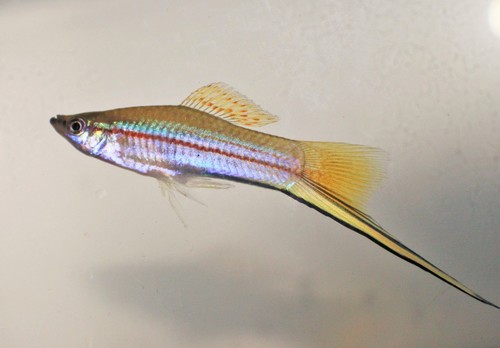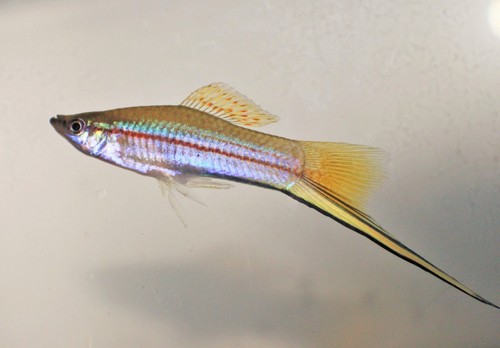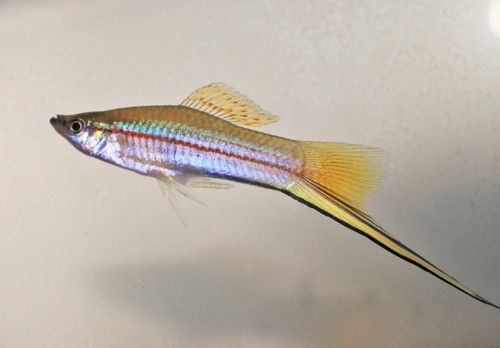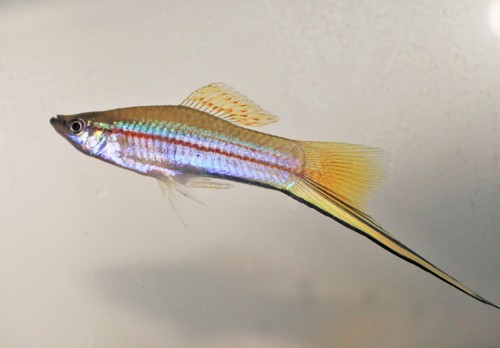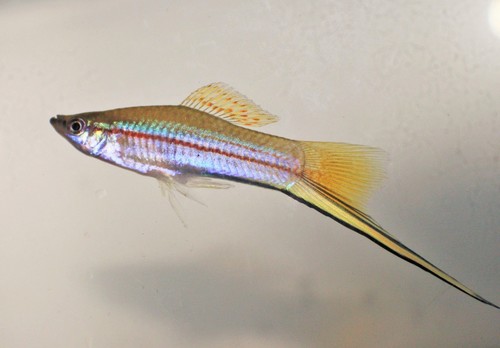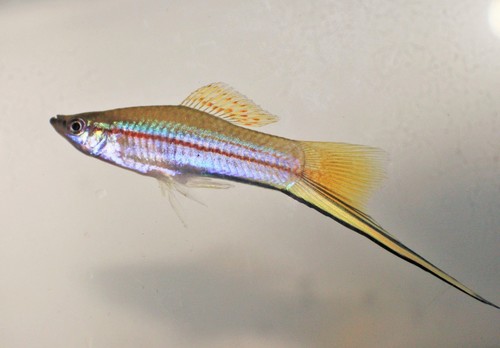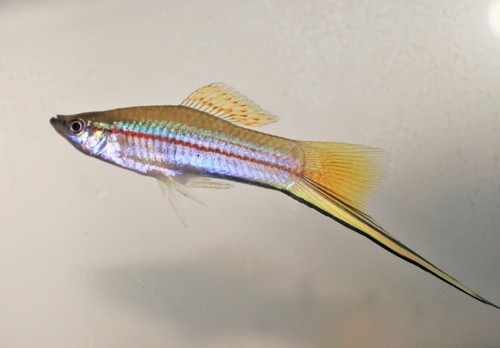
Sailfin Red Cap Swordtail
Xiphophorus helleri
In Stock
Common stock
Wild Caught
Easy care
Not Reef Safe
SKU: 01-A-24-029-07
The Sailfin Red Cap Swordtail boasts vibrant colors and dynamic movement, making it a stunning addition to any freshwater aquarium.
Pricing for Verified Importers
Log in to see wholesale prices and order.
Export Size
up to 7.0 cm
Origin
North and Central America
Temperature
24.0–28.0°C
Min. Tank Size
80 L
pH
6.50–7.50
Diet
omnivore
The Sailfin Red Cap Swordtail (Xiphophorus helleri) is a captivating freshwater fish known for its striking appearance and lively behavior. This species features a distinctive red cap on its head and elongated, sail-like fins that create an eye-catching display as they swim. Native to the freshwater rivers and streams of North and Central America, this species thrives in a variety of habitats, including densely vegetated areas where it can seek shelter and forage for food.
In terms of behavior, Sailfin Red Cap Swordtails are social creatures that prefer to be in groups, displaying a range of interactions that enhance their appeal. Males often show off their vibrant colors and fins to compete for the attention of females, making them a dynamic addition to community tanks. They are live-bearers, meaning that they give birth to free-swimming young rather than laying eggs, which adds an exciting breeding aspect for enthusiasts and retailers alike.
The habitat of the Sailfin Red Cap Swordtail typically consists of warm, shallow waters with plenty of plants and debris, providing both food sources and hiding spots from predators. They are adaptable fish that can thrive in various water conditions, although they prefer slightly acidic to neutral pH levels. Their resilience and adaptability make them an excellent choice for both novice and experienced aquarists seeking to enhance their freshwater collections.
With their vibrant colors and engaging behavior, Sailfin Red Cap Swordtails are not only visually appealing but also play a role in maintaining a balanced ecosystem within the aquarium. Their presence can help promote a lively atmosphere, making them a sought-after choice for aquarium importers and wholesalers looking to provide quality aquatic life to their clients.
In terms of behavior, Sailfin Red Cap Swordtails are social creatures that prefer to be in groups, displaying a range of interactions that enhance their appeal. Males often show off their vibrant colors and fins to compete for the attention of females, making them a dynamic addition to community tanks. They are live-bearers, meaning that they give birth to free-swimming young rather than laying eggs, which adds an exciting breeding aspect for enthusiasts and retailers alike.
The habitat of the Sailfin Red Cap Swordtail typically consists of warm, shallow waters with plenty of plants and debris, providing both food sources and hiding spots from predators. They are adaptable fish that can thrive in various water conditions, although they prefer slightly acidic to neutral pH levels. Their resilience and adaptability make them an excellent choice for both novice and experienced aquarists seeking to enhance their freshwater collections.
With their vibrant colors and engaging behavior, Sailfin Red Cap Swordtails are not only visually appealing but also play a role in maintaining a balanced ecosystem within the aquarium. Their presence can help promote a lively atmosphere, making them a sought-after choice for aquarium importers and wholesalers looking to provide quality aquatic life to their clients.
To ensure the health and vitality of Sailfin Red Cap Swordtails, it is essential to maintain optimal water parameters. They thrive in temperatures ranging from 24°C to 28°C and prefer a pH level between 6.5 and 7.5. A minimum tank size of 80 liters is recommended to accommodate their social nature, allowing them to swim freely and interact with their companions.
Feeding these fish is straightforward, as they are omnivorous and will accept a varied diet consisting of high-quality flakes, pellets, and live or frozen foods like brine shrimp and daphnia. It's recommended to feed them small amounts multiple times a day to maintain their health and coloration.
When introducing Sailfin Red Cap Swordtails to a community tank, they generally exhibit good compatibility with other peaceful species. However, it is advisable to avoid keeping them with aggressive or overly territorial fish. Acclimation should be done gradually to minimize stress, ideally over several hours, allowing them to adjust to their new environment.
Quarantine is a crucial step before introducing them to the main tank. It is recommended to keep them in a separate tank for at least two weeks to monitor for any signs of illness or parasites. This proactive measure helps ensure the health of not only the new arrivals but also the existing tank inhabitants.
Feeding these fish is straightforward, as they are omnivorous and will accept a varied diet consisting of high-quality flakes, pellets, and live or frozen foods like brine shrimp and daphnia. It's recommended to feed them small amounts multiple times a day to maintain their health and coloration.
When introducing Sailfin Red Cap Swordtails to a community tank, they generally exhibit good compatibility with other peaceful species. However, it is advisable to avoid keeping them with aggressive or overly territorial fish. Acclimation should be done gradually to minimize stress, ideally over several hours, allowing them to adjust to their new environment.
Quarantine is a crucial step before introducing them to the main tank. It is recommended to keep them in a separate tank for at least two weeks to monitor for any signs of illness or parasites. This proactive measure helps ensure the health of not only the new arrivals but also the existing tank inhabitants.
Sailfin Red Cap Swordtails are well-suited for shipping due to their hardiness and adaptability. It is recommended to pack them in insulated bags with sufficient oxygen and water to maintain stability during transit. A packing density of no more than 15 fish per liter is ideal to minimize stress. These fish are sensitive to extreme temperature fluctuations, so maintaining a consistent temperature between 22°C and 26°C during shipping is crucial. They are not listed under CITES, which simplifies the export process.
Species Parameters
Max Adult Size
7.0 cm
Origin
North and Central America
Diet
omnivore
Temp Min
24.0 °C
Temp Max
28.0 °C
pH Min
6.50
pH Max
7.50
Min Tank
80 L