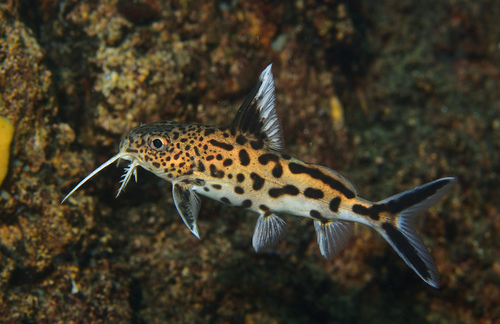
Cuckoo Synodontis
Synodontis multipunctatus
Out of Stock
Scarce stock
Wild Caught
Moderate care
Not Reef Safe
SKU: 01-A-09-008-01
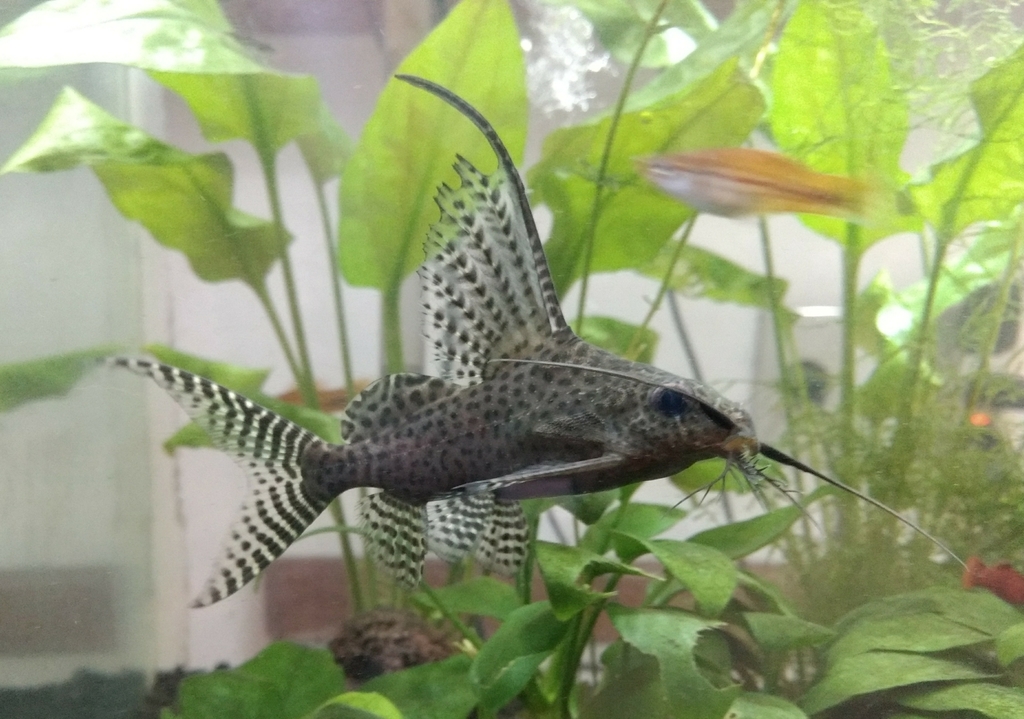
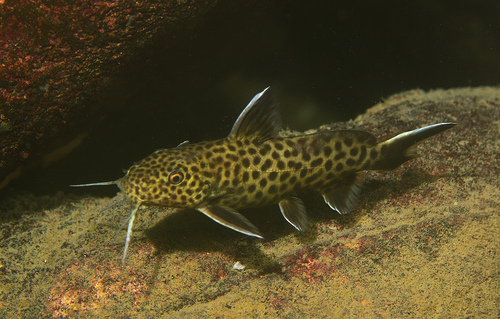
Cuckoo Synodontis is a captivating freshwater fish known for its unique spots and playful behavior.
Pricing for Verified Importers
Log in to see wholesale prices and order.
Export Size
up to 15.0 cm
Origin
Lake Tanganyika
Temperature
24.0–28.0°C
Min. Tank Size
100 L
pH
7.50–9.00
Diet
omnivore
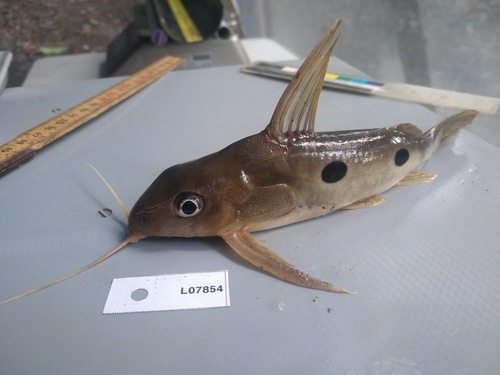
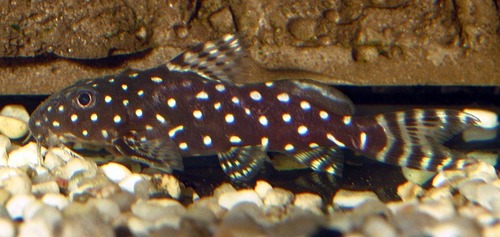
The Cuckoo Synodontis (Synodontis multipunctatus) is a distinctive freshwater catfish native to the African Great Lakes, particularly Lake Tanganyika. This species is renowned for its striking appearance, characterized by a series of dark spots scattered across a light-colored body, which can range from silvery to pale yellow. As they mature, these spots become more pronounced, adding to their aesthetic appeal in aquarium settings. Adult Cuckoo Synodontis can grow up to 15 centimeters in length, making them a manageable size for both hobbyists and retailers.
In terms of behavior, Cuckoo Synodontis are known for their semi-social nature. They typically thrive in groups, where they exhibit playful and inquisitive behaviors, often seen darting around the tank or hiding among decorations. Their nocturnal habits make them more active during the evening, providing an engaging display for aquarium enthusiasts. They are also known for their unique breeding behavior, where females lay eggs in the nests of mouthbrooding cichlids, earning them the nickname "cuckoo."
Cuckoo Synodontis prefer rocky habitats with plenty of hiding spots, mimicking their natural environment. In the wild, they inhabit areas with structured substrates, which provide shelter from predators and a place to forage. When kept in aquariums, it’s essential to replicate these conditions by incorporating various decorations, rocks, and plants that create hiding spots and territories for the fish.
Overall, the Cuckoo Synodontis is not only a visually striking species but also an intriguing addition to any freshwater aquarium, appealing to both novice and experienced aquarists alike.
In terms of behavior, Cuckoo Synodontis are known for their semi-social nature. They typically thrive in groups, where they exhibit playful and inquisitive behaviors, often seen darting around the tank or hiding among decorations. Their nocturnal habits make them more active during the evening, providing an engaging display for aquarium enthusiasts. They are also known for their unique breeding behavior, where females lay eggs in the nests of mouthbrooding cichlids, earning them the nickname "cuckoo."
Cuckoo Synodontis prefer rocky habitats with plenty of hiding spots, mimicking their natural environment. In the wild, they inhabit areas with structured substrates, which provide shelter from predators and a place to forage. When kept in aquariums, it’s essential to replicate these conditions by incorporating various decorations, rocks, and plants that create hiding spots and territories for the fish.
Overall, the Cuckoo Synodontis is not only a visually striking species but also an intriguing addition to any freshwater aquarium, appealing to both novice and experienced aquarists alike.
To successfully care for Cuckoo Synodontis, maintain water parameters that closely mimic their natural habitat. The ideal temperature range is between 24°C to 28°C, with a pH level of 7.5 to 9.0. Regular water changes and proper filtration are crucial to ensure optimal water quality.
Cuckoo Synodontis are omnivorous and should be fed a varied diet that includes high-quality pellets, frozen or live foods such as brine shrimp and bloodworms, and occasional vegetable matter. Their feeding habits are quite adaptable, making it easier for importers and retailers to provide appropriate nutrition.
In terms of compatibility, Cuckoo Synodontis are generally peaceful but can be territorial, especially during breeding. It's advisable to house them with other non-aggressive fish that occupy similar water levels. Acclimation should be done slowly to minimize stress, ideally over a period of several hours, using a drip method to equalize water conditions. Quarantine new arrivals for a minimum of two weeks to prevent the introduction of diseases into existing stock.
Cuckoo Synodontis are omnivorous and should be fed a varied diet that includes high-quality pellets, frozen or live foods such as brine shrimp and bloodworms, and occasional vegetable matter. Their feeding habits are quite adaptable, making it easier for importers and retailers to provide appropriate nutrition.
In terms of compatibility, Cuckoo Synodontis are generally peaceful but can be territorial, especially during breeding. It's advisable to house them with other non-aggressive fish that occupy similar water levels. Acclimation should be done slowly to minimize stress, ideally over a period of several hours, using a drip method to equalize water conditions. Quarantine new arrivals for a minimum of two weeks to prevent the introduction of diseases into existing stock.
Cuckoo Synodontis are suitable for shipping due to their hardiness, but care should be taken to maintain stable temperatures during transit, ideally between 24°C and 28°C. Packing density should be moderate to allow for adequate oxygenation and movement. CITES status is not applicable for this species, simplifying export regulations.
Species Parameters
Max Adult Size
15.0 cm
Origin
Lake Tanganyika
Diet
omnivore
Temp Min
24.0 °C
Temp Max
28.0 °C
pH Min
7.50
pH Max
9.00
Min Tank
100 L