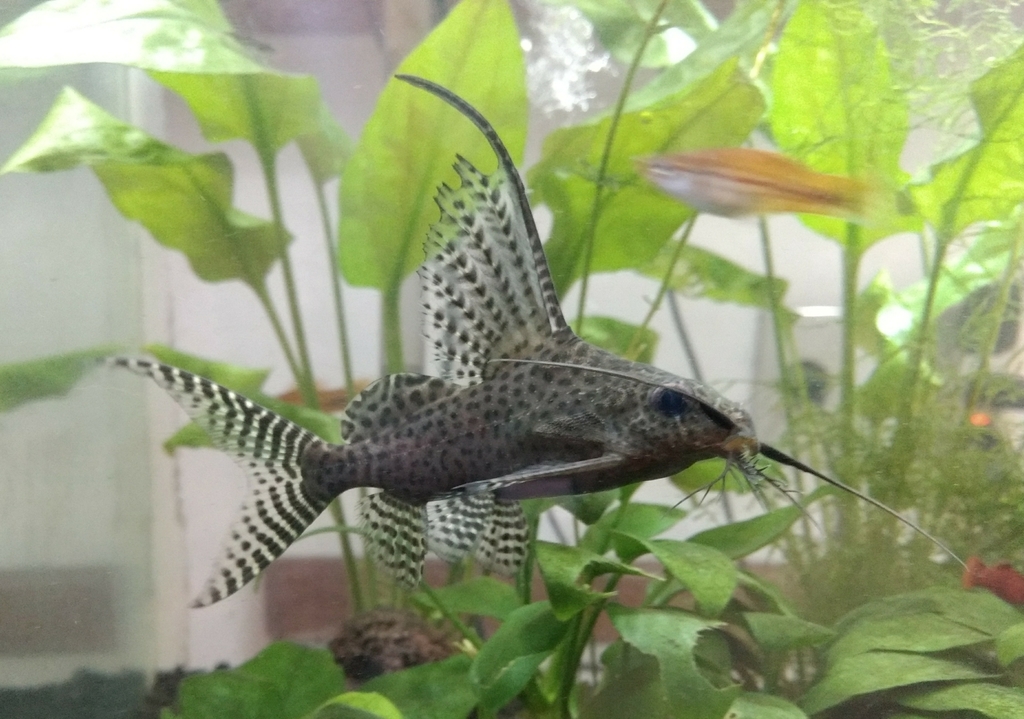
Synodontis tigrinus
Synodontis tigrinus
In Stock
Common stock
Wild Caught
Moderate care
Not Reef Safe
SKU: 01-A-09-039-01
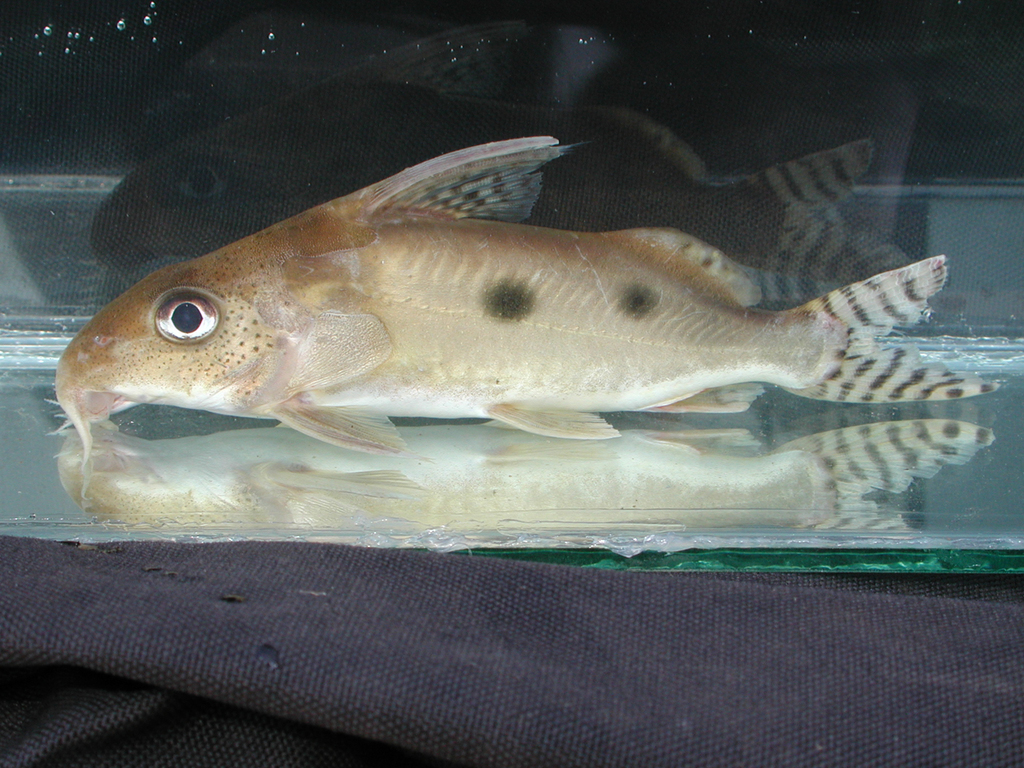
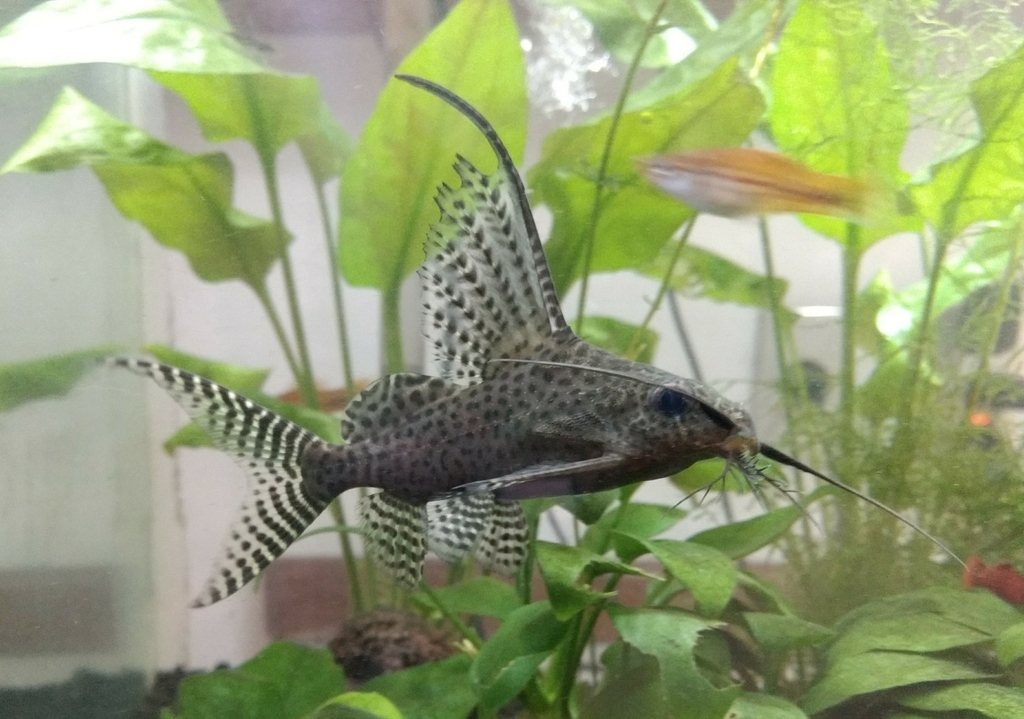
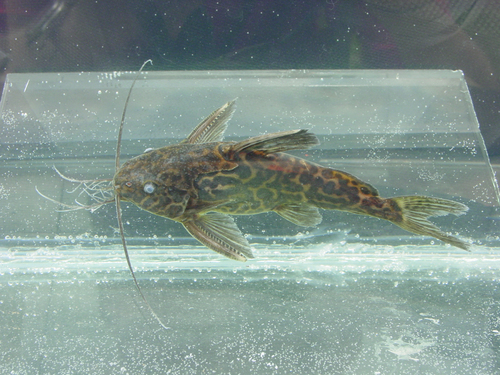
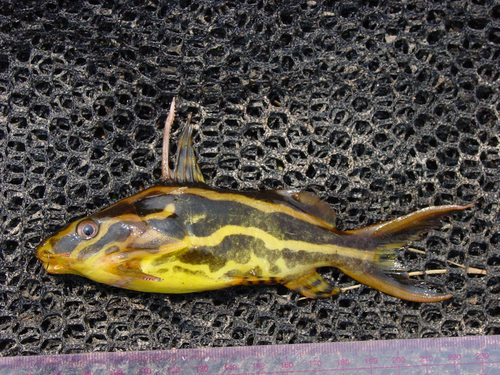
Synodontis tigrinus is a striking freshwater catfish known for its unique tiger-striped pattern.
Pricing for Verified Importers
Log in to see wholesale prices and order.
Export Size
up to 25.0 cm
Origin
Africa
Temperature
24.0–28.0°C
Min. Tank Size
200 L
pH
6.50–7.50
Diet
omnivore
Synodontis tigrinus, commonly referred to as the tiger synodontis, is a captivating freshwater species native to the rivers and lakes of Africa. This species is easily recognizable due to its striking appearance, characterized by a body adorned with bold black and yellow stripes resembling a tiger's pattern. With its streamlined shape and prominent whisker-like barbels, it not only stands out visually but also plays a vital role in its ecosystem as a scavenger.
In terms of behavior, the tiger synodontis is known for its active and inquisitive nature. It thrives in shoals, often displaying social behaviors that make it a fascinating addition to community aquariums. In its natural habitat, it can be found in various freshwater environments, including rivers with moderate to fast-flowing waters. The species demonstrates a preference for areas rich in vegetation, where it can find cover and food sources.
With a maximum size of around 25 cm, Synodontis tigrinus can be a substantial presence in an aquarium. They are primarily nocturnal, displaying most of their activity during the night, which makes them intriguing to observe for enthusiasts who maintain appropriate lighting schedules. Their unique adaptations allow them to thrive in diverse environments, adding to their allure as an aquarium species.
In terms of behavior, the tiger synodontis is known for its active and inquisitive nature. It thrives in shoals, often displaying social behaviors that make it a fascinating addition to community aquariums. In its natural habitat, it can be found in various freshwater environments, including rivers with moderate to fast-flowing waters. The species demonstrates a preference for areas rich in vegetation, where it can find cover and food sources.
With a maximum size of around 25 cm, Synodontis tigrinus can be a substantial presence in an aquarium. They are primarily nocturnal, displaying most of their activity during the night, which makes them intriguing to observe for enthusiasts who maintain appropriate lighting schedules. Their unique adaptations allow them to thrive in diverse environments, adding to their allure as an aquarium species.
For successful care of Synodontis tigrinus, maintain water parameters within the ideal range: temperature between 24-28°C, pH from 6.5 to 7.5, and moderate water hardness. A minimum tank size of 200 liters is recommended to accommodate their active swimming and social behavior. When it comes to feeding, they are omnivorous, thriving on a diet of high-quality pellets, live foods such as worms, and vegetable matter to ensure balanced nutrition.
Compatibility is key; they generally coexist well with other peaceful species but may exhibit territorial behavior towards their own kind if not kept in groups. It is best to keep them in groups of 3-5 to reduce stress and aggression. Acclimation should be gradual, allowing them to adjust to the new environment slowly. Quarantine new arrivals for at least two weeks to prevent the spread of diseases, as they can be susceptible to common freshwater fish ailments.
Compatibility is key; they generally coexist well with other peaceful species but may exhibit territorial behavior towards their own kind if not kept in groups. It is best to keep them in groups of 3-5 to reduce stress and aggression. Acclimation should be gradual, allowing them to adjust to the new environment slowly. Quarantine new arrivals for at least two weeks to prevent the spread of diseases, as they can be susceptible to common freshwater fish ailments.
Synodontis tigrinus is suitable for air shipping, provided that they are packed in secure, breathable bags with adequate oxygen. The ideal packing density is one fish per liter to minimize stress during transit. They are sensitive to temperature fluctuations, so maintaining a stable range between 24-28°C during shipping is crucial. Currently, they are not listed under CITES, making them easier to export commercially.
Species Parameters
Max Adult Size
25.0 cm
Origin
Africa
Diet
omnivore
Temp Min
24.0 °C
Temp Max
28.0 °C
pH Min
6.50
pH Max
7.50
Min Tank
200 L