CITES App. II
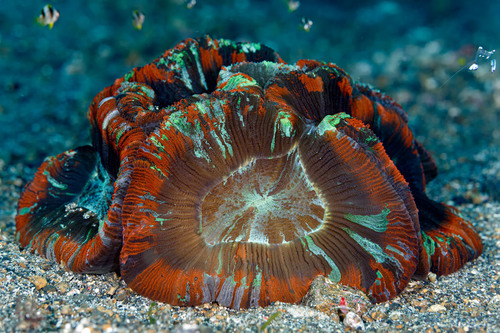
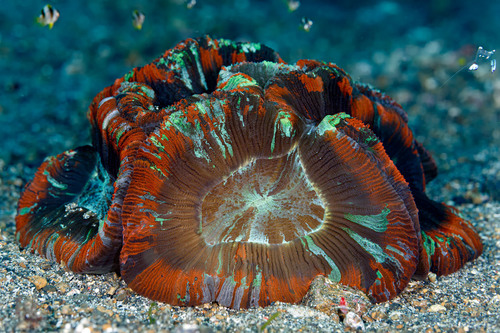
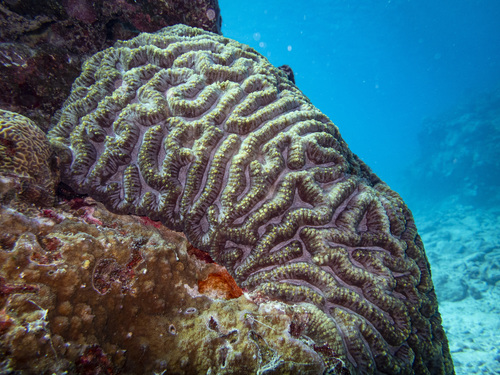
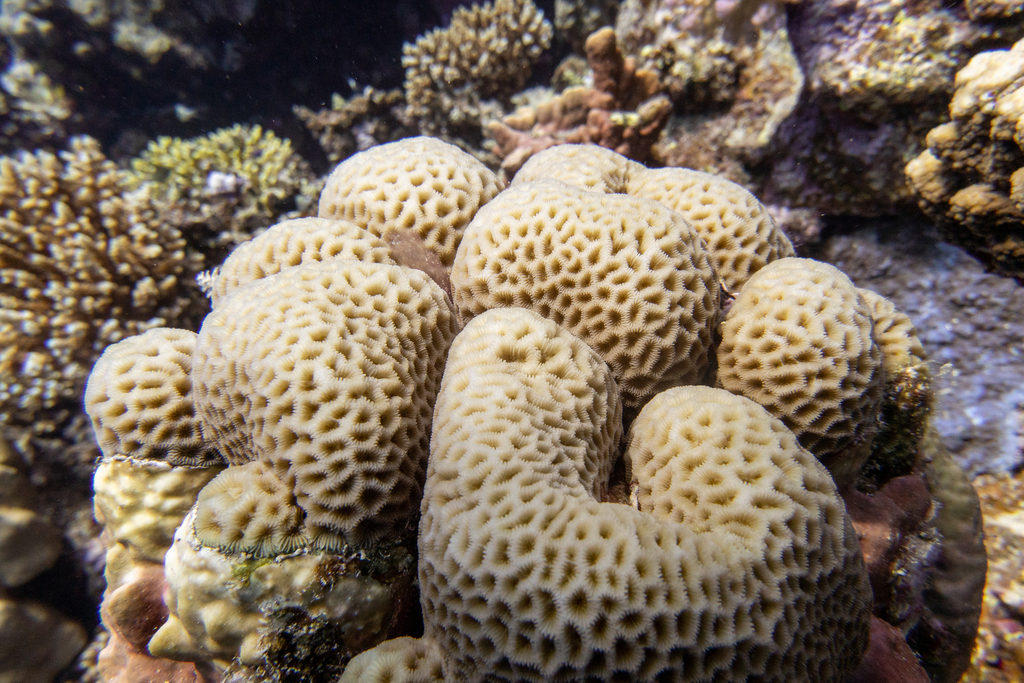
Green Honeycomb Coral
Goniastrea Spp
In Stock
Common stock
Aquacultured
Experienced care
Reef Safe ✓
SKU: ML-HC-0097
The Green Honeycomb Coral is a captivating choice for aquarists, known for its stunning colors and unique structure.
Pricing for Verified Importers
Log in to see wholesale prices and order.
Export Size
up to 30.0 cm
Origin
Coral Triangle
Temperature
24.0–28.0°C
Min. Tank Size
100 L
Salinity
32.000–35.000 ppt
pH
8.00–8.40
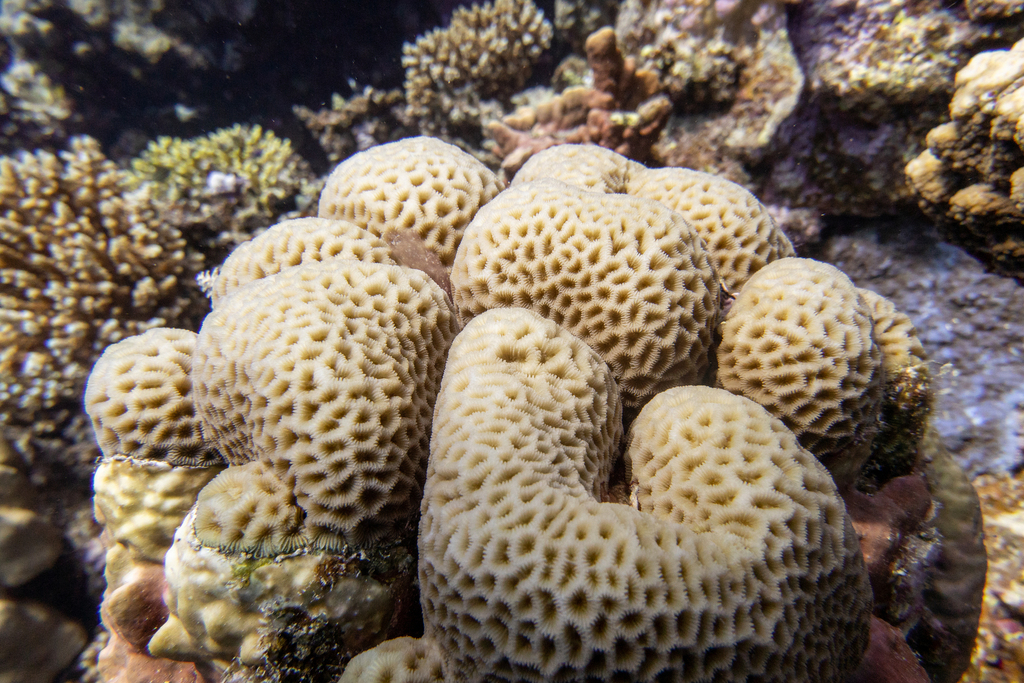
The Green Honeycomb Coral (Goniastrea spp.) is a striking species found primarily in the warm waters of the Coral Triangle. This coral is characterized by its distinctive honeycomb-like structure, which is formed by a series of interconnected polyps. Each polyp can exhibit vibrant green hues, making this coral a popular choice for both reef aquaria and marine displays. Its unique appearance not only adds visual interest but also provides essential habitat for various marine life.
In the wild, Green Honeycomb Coral typically thrives in shallow coastal waters, where it can receive adequate sunlight for photosynthesis. This species prefers to settle in areas with stable water conditions, such as gentle currents and moderate wave action. The corals are often found growing on rocky substrates, allowing them to anchor securely while absorbing nutrients from the water. Their polyps extend during the night to feed, showcasing a dynamic part of their natural behavior.
Behaviorally, Goniastrea spp. are known to be relatively hardy, making them suitable for both novice and experienced aquarists. They tend to exhibit a slow growth rate, which can be advantageous in a home aquarium setting, as it allows for easier management of the coral's health and space. Additionally, they can engage in aggressive behavior towards neighboring corals, using their sweeper tentacles to compete for resources, which is an important aspect to consider for tank placement.
The ecological role of Green Honeycomb Coral is significant, as it contributes to reef building and provides a habitat for various marine organisms. Its resilience and attractive appearance make it a vital species for marine conservation and an essential component of reef ecosystems.
In the wild, Green Honeycomb Coral typically thrives in shallow coastal waters, where it can receive adequate sunlight for photosynthesis. This species prefers to settle in areas with stable water conditions, such as gentle currents and moderate wave action. The corals are often found growing on rocky substrates, allowing them to anchor securely while absorbing nutrients from the water. Their polyps extend during the night to feed, showcasing a dynamic part of their natural behavior.
Behaviorally, Goniastrea spp. are known to be relatively hardy, making them suitable for both novice and experienced aquarists. They tend to exhibit a slow growth rate, which can be advantageous in a home aquarium setting, as it allows for easier management of the coral's health and space. Additionally, they can engage in aggressive behavior towards neighboring corals, using their sweeper tentacles to compete for resources, which is an important aspect to consider for tank placement.
The ecological role of Green Honeycomb Coral is significant, as it contributes to reef building and provides a habitat for various marine organisms. Its resilience and attractive appearance make it a vital species for marine conservation and an essential component of reef ecosystems.
For optimal care of Green Honeycomb Coral in aquarium settings, maintaining stable water parameters is crucial. Ideal temperature ranges from 24°C to 28°C, with salinity levels between 32 to 35 ppt. The pH should be maintained between 8.0 and 8.4, ensuring a stable environment for growth.
Feeding Green Honeycomb Coral involves providing a balanced diet consisting of zooplankton and phytoplankton supplements, especially during the evening when polyps are extended. While they are photosynthetic and derive energy from symbiotic zooxanthellae, supplemental feeding can enhance growth and vibrancy.
In terms of compatibility, this coral species does well with other non-aggressive corals and fish. However, caution should be exercised when placing them near aggressive species, as they can exhibit territorial behavior. Acclimation should be done gradually to minimize stress, ideally over several hours. Quarantine new arrivals for a few weeks to monitor for pests or diseases before introducing them into the main display tank.
Feeding Green Honeycomb Coral involves providing a balanced diet consisting of zooplankton and phytoplankton supplements, especially during the evening when polyps are extended. While they are photosynthetic and derive energy from symbiotic zooxanthellae, supplemental feeding can enhance growth and vibrancy.
In terms of compatibility, this coral species does well with other non-aggressive corals and fish. However, caution should be exercised when placing them near aggressive species, as they can exhibit territorial behavior. Acclimation should be done gradually to minimize stress, ideally over several hours. Quarantine new arrivals for a few weeks to monitor for pests or diseases before introducing them into the main display tank.
Green Honeycomb Coral is suitable for shipping, provided that adequate precautions are taken. Packing density should be moderate to ensure airflow and prevent damage during transit. Temperature sensitivity should be managed, keeping the coral in water temperatures around 24°C to 26°C during shipping. CITES status is not applicable for this species, but proper documentation is recommended for international shipments.
Species Parameters
Max Adult Size
30.0 cm
Origin
Coral Triangle
Temp Min
24.0 °C
Temp Max
28.0 °C
Salinity Min
32.000
Salinity Max
35.000
pH Min
8.00
pH Max
8.40
Min Tank
100 L