CITES App. II
Closed Brain SUPER "Symphyllia"
Symphyllia agaricia
In Stock
Common stock
Aquacultured
Easy care
Reef Safe ✓
SKU: CRSYMPclos
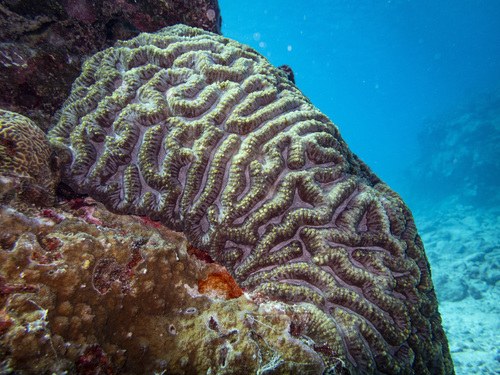
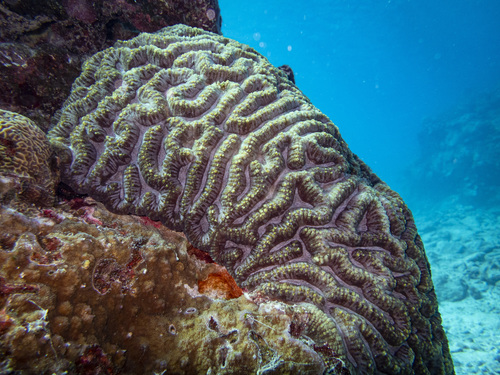
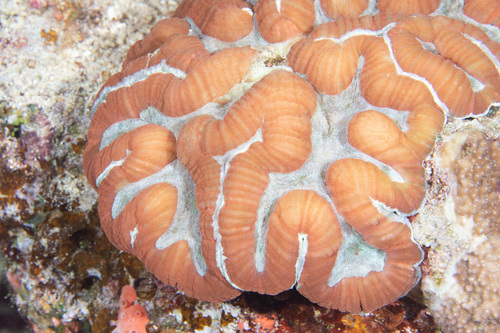
The Closed Brain SUPER 'Symphyllia' offers unique patterns and vibrant colors, making it a stunning addition to any reef aquarium.
Pricing for Verified Importers
Log in to see wholesale prices and order.
Export Size
up to 30.0 cm
Origin
Coral Triangle
Temperature
24.0–28.0°C
Min. Tank Size
100 L
Salinity
35.000–35.000 ppt
pH
8.10–8.40
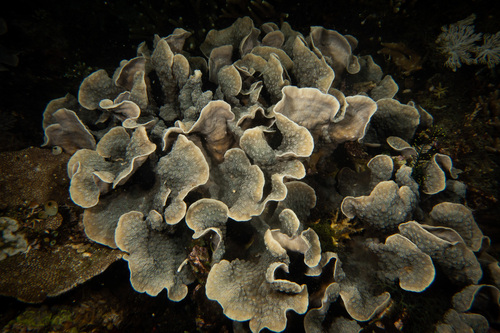
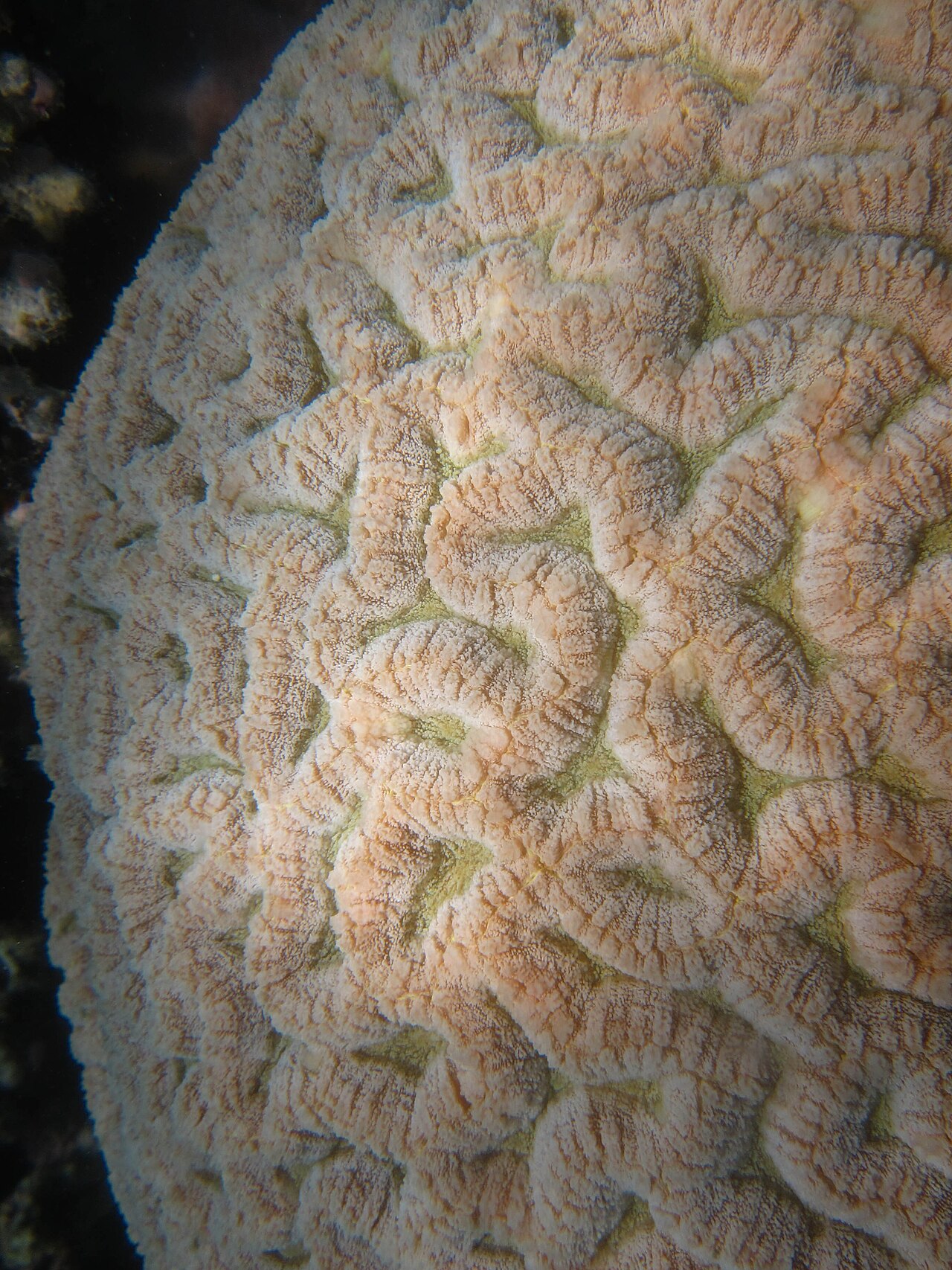
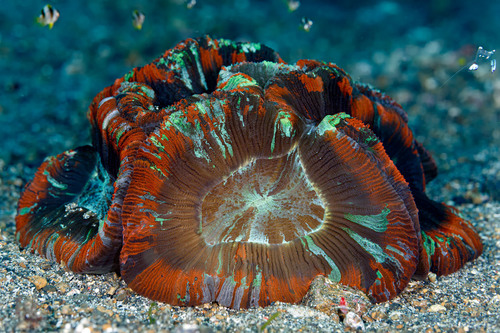
Closed Brain SUPER 'Symphyllia' (Symphyllia agaricia) is a captivating coral species known for its distinctive morphology and vibrant coloration. This stony coral features a closed brain-like structure, showcasing intricate interlocking valleys and ridges that enhance its visual appeal. Typically found in a spectrum of colors, including green, purple, and blue, the Closed Brain coral adds a dynamic element to reef aquariums. Its unique appearance is not only a feast for the eyes but also a testament to the biodiversity of the Coral Triangle region, where it is predominantly located.
In the wild, Closed Brain corals thrive in shallow, warm waters, often residing in reef slopes and lagoons. They are primarily found in the Indo-Pacific region, where they play a crucial role in the reef ecosystem. These corals are known for their symbiotic relationship with zooxanthellae algae, which enables them to photosynthesize and obtain energy from sunlight. As a result, Closed Brain corals contribute to the overall health and sustainability of their surrounding marine environment.
Behaviorally, Closed Brain SUPER 'Symphyllia' exhibits a passive demeanor, making it suitable for community reef tanks. They can retract their polyps during the day and extend them at night, showcasing their feeding mechanisms and beautiful structures. Their ability to adapt to varying light conditions and their relatively easy care requirements make them popular among both novice and experienced aquarists.
As a hardy species, Closed Brain corals can endure a range of environmental conditions, provided they are kept within their preferred parameters. This adaptability, combined with their striking appearance, makes them an ideal candidate for aquarists looking to enhance the aesthetic appeal of their tanks while promoting biodiversity.
In the wild, Closed Brain corals thrive in shallow, warm waters, often residing in reef slopes and lagoons. They are primarily found in the Indo-Pacific region, where they play a crucial role in the reef ecosystem. These corals are known for their symbiotic relationship with zooxanthellae algae, which enables them to photosynthesize and obtain energy from sunlight. As a result, Closed Brain corals contribute to the overall health and sustainability of their surrounding marine environment.
Behaviorally, Closed Brain SUPER 'Symphyllia' exhibits a passive demeanor, making it suitable for community reef tanks. They can retract their polyps during the day and extend them at night, showcasing their feeding mechanisms and beautiful structures. Their ability to adapt to varying light conditions and their relatively easy care requirements make them popular among both novice and experienced aquarists.
As a hardy species, Closed Brain corals can endure a range of environmental conditions, provided they are kept within their preferred parameters. This adaptability, combined with their striking appearance, makes them an ideal candidate for aquarists looking to enhance the aesthetic appeal of their tanks while promoting biodiversity.
To successfully care for Closed Brain SUPER 'Symphyllia', importers and retailers should ensure that water parameters are optimal. The ideal temperature range is between 24°C and 28°C, with a salinity level of 1.023 to 1.025 ppt. Maintaining a pH between 8.1 and 8.4 is crucial for their health. These corals thrive in well-lit environments, so providing moderate to high lighting will encourage healthy growth and vibrant colors.
Feeding Closed Brain corals involves supplementing their diet with a mix of zooplankton and coral-specific foods. Though they primarily derive energy from photosynthesis, additional feeding will enhance their growth and vitality. It's essential to ensure compatibility with other corals and tank mates, as they can be territorial and may engage in aggressive behavior if placed too close to other corals.
Acclimation is a key step when introducing Closed Brain corals to a new environment. A slow acclimation process over several hours will help minimize stress and increase survival rates. Quarantine is recommended for new arrivals to prevent the introduction of pests or diseases into the main display tank. Regular monitoring of water quality and coral health will ensure a thriving environment for these stunning corals.
Feeding Closed Brain corals involves supplementing their diet with a mix of zooplankton and coral-specific foods. Though they primarily derive energy from photosynthesis, additional feeding will enhance their growth and vitality. It's essential to ensure compatibility with other corals and tank mates, as they can be territorial and may engage in aggressive behavior if placed too close to other corals.
Acclimation is a key step when introducing Closed Brain corals to a new environment. A slow acclimation process over several hours will help minimize stress and increase survival rates. Quarantine is recommended for new arrivals to prevent the introduction of pests or diseases into the main display tank. Regular monitoring of water quality and coral health will ensure a thriving environment for these stunning corals.
Closed Brain SUPER 'Symphyllia' is suitable for shipping with proper care. They should be packed securely to minimize movement during transit, ideally in a temperature-controlled environment. It's recommended to maintain a shipping temperature between 24°C and 26°C. CITES status is non-applicable as this species is not listed, enabling smooth export processes.
Species Parameters
Max Adult Size
30.0 cm
Origin
Coral Triangle
Habitat
reef
Temp Min
24.0 °C
Temp Max
28.0 °C
Salinity Min
35.000
Salinity Max
35.000
pH Min
8.10
pH Max
8.40
Min Tank
100 L