CITES App. II
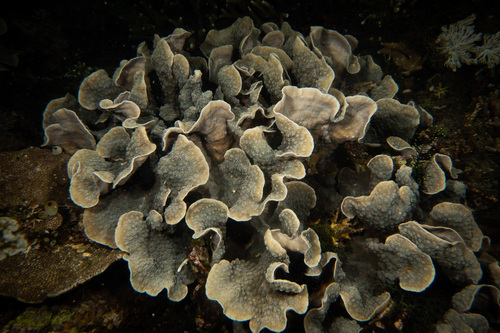
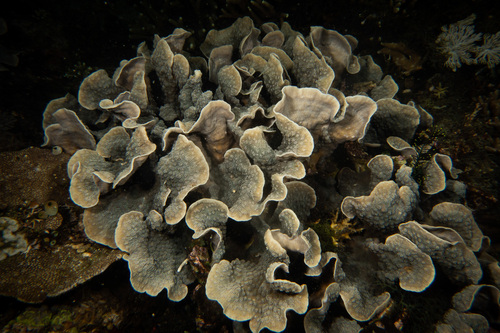
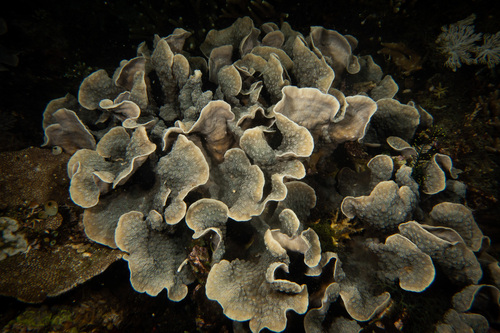
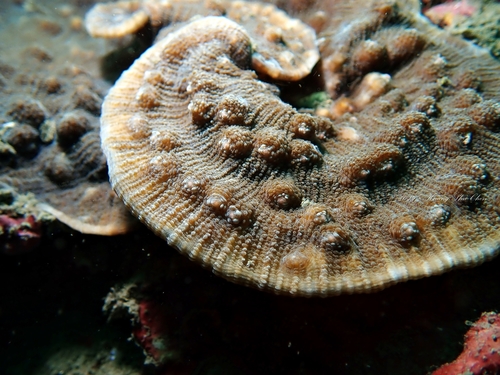
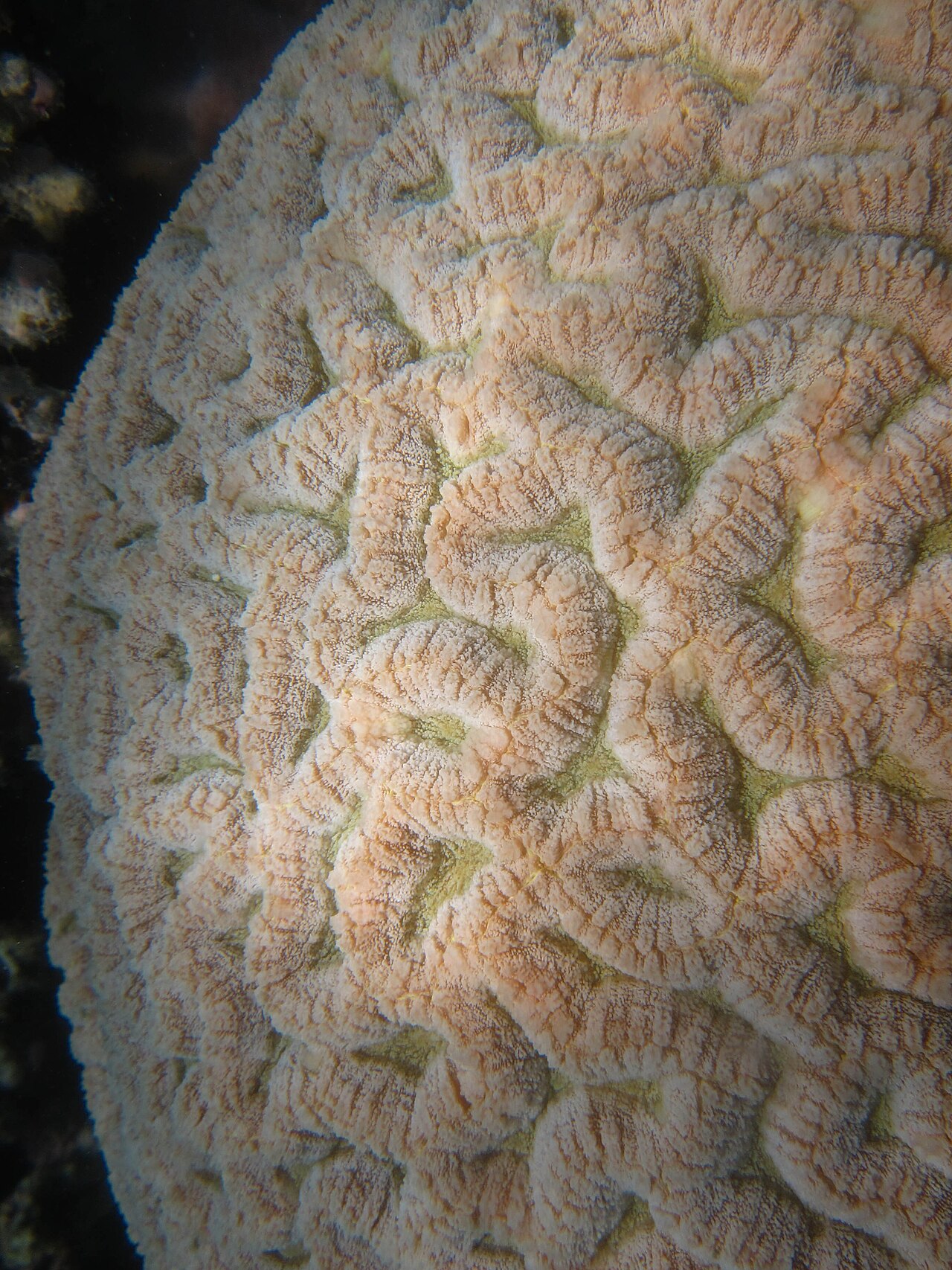
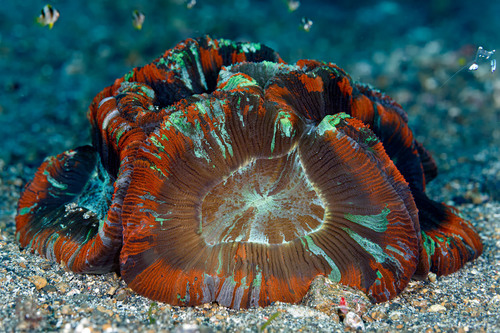
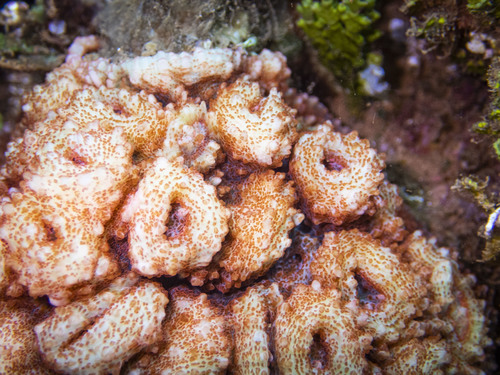
Gold chalice Coral
Echinophyllia aspera
In Stock
Common stock
Aquacultured
Easy care
Reef Safe ✓
SKU: CRECHIgold
Experience the vibrant beauty of Gold Chalice Coral, a stunning addition to any reef aquarium.
Pricing for Verified Importers
Log in to see wholesale prices and order.
Export Size
up to 30.0 cm
Origin
Indo-Pacific
Temperature
24.0–28.0°C
Min. Tank Size
200 L
Salinity
35.000–35.000 ppt
pH
8.10–8.40
Echinophyllia aspera, commonly referred to as Gold Chalice Coral, is a captivating species of large polyp stony coral found predominantly in the western and central Indo-Pacific regions. This colonial coral exhibits a unique growth structure that is partly encrusting and partly forms laminate plates or tiers, making it a visually striking organism in reef environments. Its distinct coloration, which varies from bright gold to deep green, enhances its appeal in aquarium settings, drawing attention to its intricate formations and polyp structures.
In its natural habitat, Gold Chalice Coral thrives in a variety of reef environments, often found at depths between 5 to 30 meters. It prefers well-lit areas where it can receive ample sunlight, which is crucial for its photosynthetic processes. The coral is known to have a symbiotic relationship with zooxanthellae, microscopic algae that reside within its tissues, providing the coral with essential nutrients and vibrant color through photosynthesis. This relationship is vital for its growth and overall health, as it allows the coral to harness energy directly from sunlight.
Behaviorally, Gold Chalice Coral is generally peaceful and can coexist with a variety of other reef inhabitants, making it an excellent choice for community aquariums. Its polyps can expand during the day, capturing plankton and organic particles for additional nutrition, especially during the night when feeding is more active. The coral's unique structure not only provides aesthetic appeal but also offers shelter and habitat for small marine organisms, contributing to the biodiversity of the aquarium.
In terms of conservation, Echinophyllia aspera is not currently listed as threatened, but sustainable harvesting practices are crucial to protect its natural populations. As aquarists and retailers, sourcing from responsible exporters ensures that the ecological balance of its native environments is maintained while still allowing for the enjoyment of this remarkable species in aquariums worldwide.
In its natural habitat, Gold Chalice Coral thrives in a variety of reef environments, often found at depths between 5 to 30 meters. It prefers well-lit areas where it can receive ample sunlight, which is crucial for its photosynthetic processes. The coral is known to have a symbiotic relationship with zooxanthellae, microscopic algae that reside within its tissues, providing the coral with essential nutrients and vibrant color through photosynthesis. This relationship is vital for its growth and overall health, as it allows the coral to harness energy directly from sunlight.
Behaviorally, Gold Chalice Coral is generally peaceful and can coexist with a variety of other reef inhabitants, making it an excellent choice for community aquariums. Its polyps can expand during the day, capturing plankton and organic particles for additional nutrition, especially during the night when feeding is more active. The coral's unique structure not only provides aesthetic appeal but also offers shelter and habitat for small marine organisms, contributing to the biodiversity of the aquarium.
In terms of conservation, Echinophyllia aspera is not currently listed as threatened, but sustainable harvesting practices are crucial to protect its natural populations. As aquarists and retailers, sourcing from responsible exporters ensures that the ecological balance of its native environments is maintained while still allowing for the enjoyment of this remarkable species in aquariums worldwide.
When caring for Gold Chalice Coral, it's essential to maintain stable water parameters to ensure its health and growth. Ideal water temperature should range from 24°C to 28°C, with a pH level between 8.1 and 8.4. Salinity should be maintained between 1.020 and 1.025 ppt to replicate its natural environment. Regular monitoring of these parameters will help prevent stress and promote optimal conditions for the coral.
Feeding Gold Chalice Coral involves providing a balanced diet of small particulate foods, including zooplankton and specially formulated coral foods. While it relies heavily on photosynthesis from its symbiotic algae, supplemental feeding is beneficial and can enhance growth and coloration. Additionally, it is important to ensure compatibility with other tank inhabitants, as aggressive species may harm the coral.
Acclimation is crucial when introducing Gold Chalice Coral to a new aquarium. Gradually acclimate the coral to the new environment by floating the bag in the tank and slowly mixing tank water into the bag over a period of 30 minutes. Quarantine is also recommended to observe for any potential pests or diseases before adding the coral to the main display tank. This practice helps maintain a healthy and thriving aquarium ecosystem.
Feeding Gold Chalice Coral involves providing a balanced diet of small particulate foods, including zooplankton and specially formulated coral foods. While it relies heavily on photosynthesis from its symbiotic algae, supplemental feeding is beneficial and can enhance growth and coloration. Additionally, it is important to ensure compatibility with other tank inhabitants, as aggressive species may harm the coral.
Acclimation is crucial when introducing Gold Chalice Coral to a new aquarium. Gradually acclimate the coral to the new environment by floating the bag in the tank and slowly mixing tank water into the bag over a period of 30 minutes. Quarantine is also recommended to observe for any potential pests or diseases before adding the coral to the main display tank. This practice helps maintain a healthy and thriving aquarium ecosystem.
Gold Chalice Coral is sensitive to temperature fluctuations and should be shipped with care to maintain stable conditions. Packing density should be moderate to prevent physical damage, and shipping should ideally occur overnight. Ensure that the corals are packed in insulated containers with adequate water and aeration. This species is not listed under CITES, simplifying its export regulations.
Species Parameters
Max Adult Size
30.0 cm
Origin
Indo-Pacific
Habitat
reef
Temp Min
24.0 °C
Temp Max
28.0 °C
Salinity Min
35.000
Salinity Max
35.000
pH Min
8.10
pH Max
8.40
Min Tank
200 L