CITES App. II
Green Brain Coral L
Trachyphyllia geoffroyi
In Stock
Common stock
Aquacultured
Easy care
Reef Safe ✓
SKU: CRTRACgree2
The Green Brain Coral captivates with its vibrant colors and unique structure.
Pricing for Verified Importers
Log in to see wholesale prices and order.
Export Size
up to 30.0 cm
Origin
Indo-Pacific
Temperature
24.0–28.0°C
Min. Tank Size
100 L
Salinity
1.023–1.025 ppt
pH
8.10–8.40
Diet
omnivore
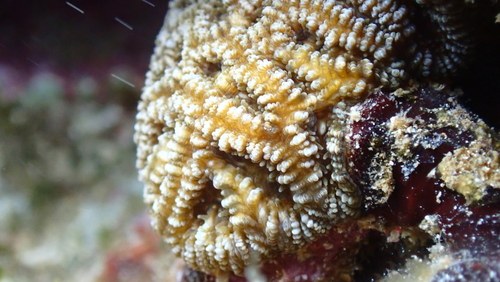
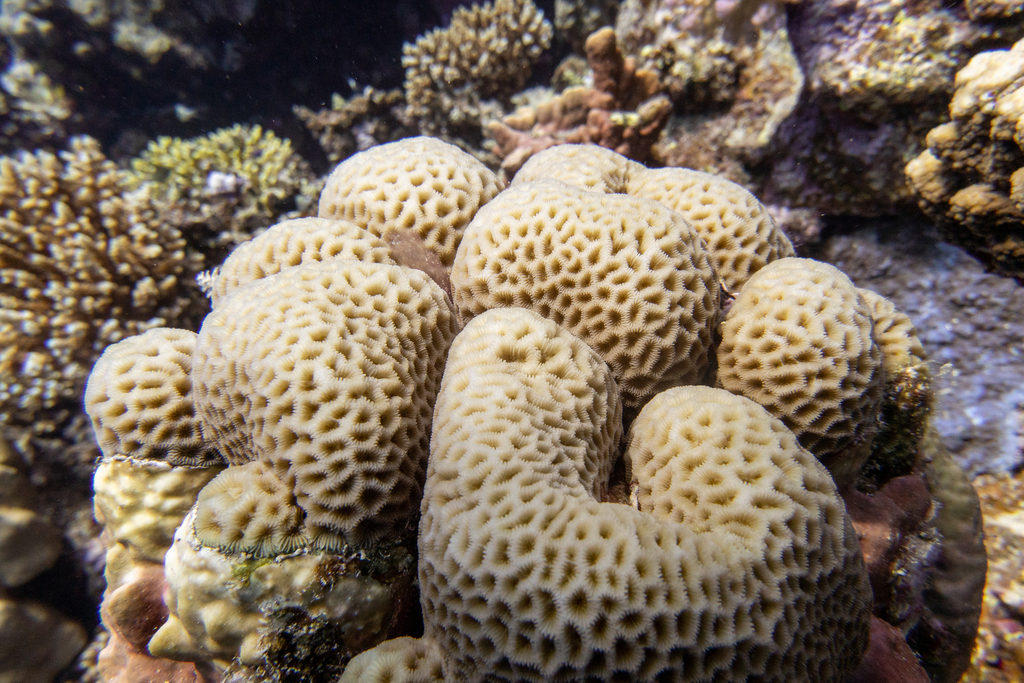
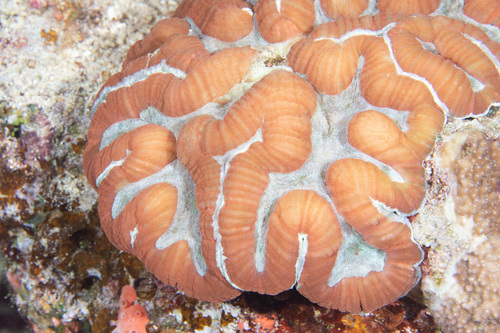
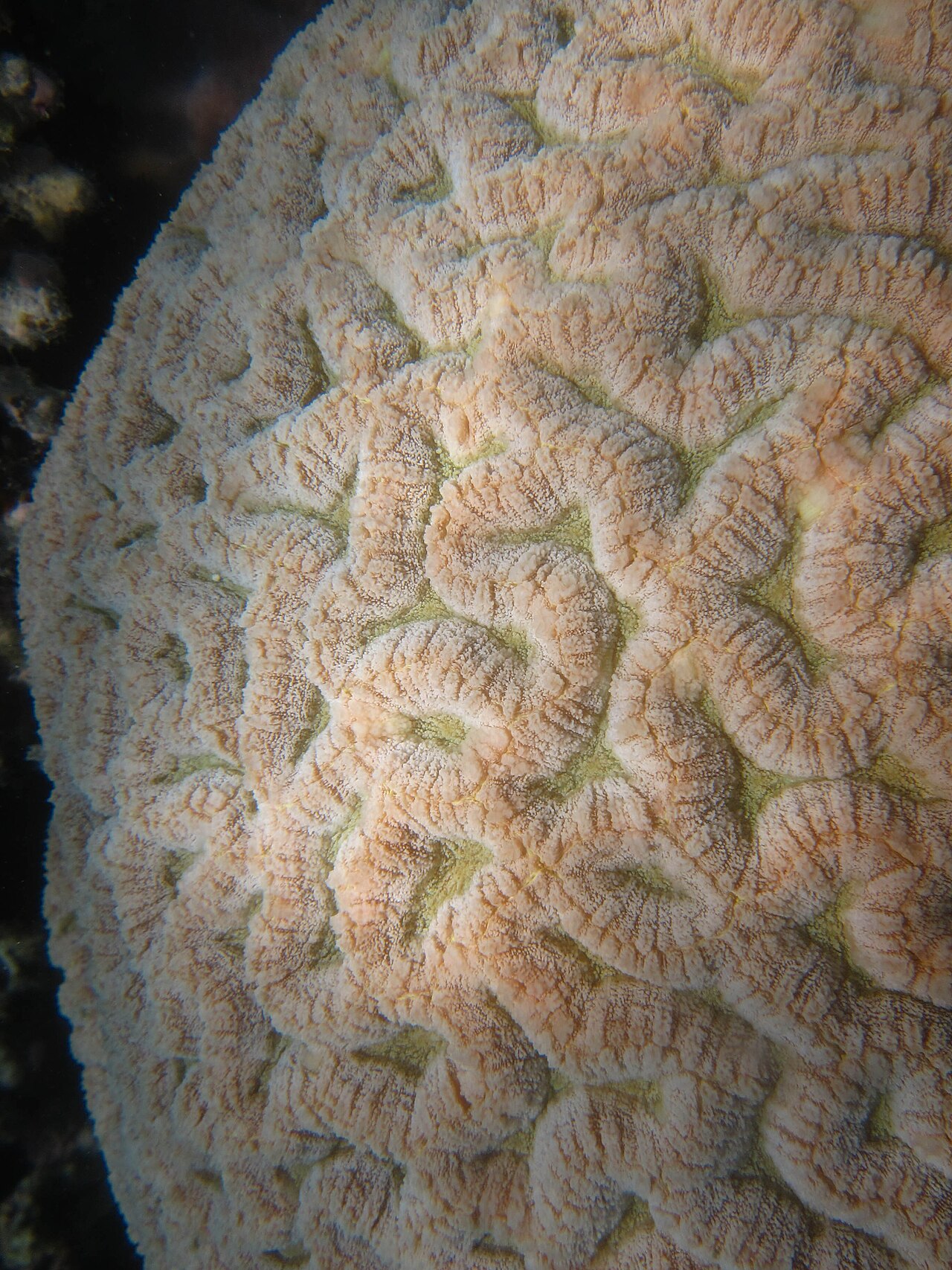
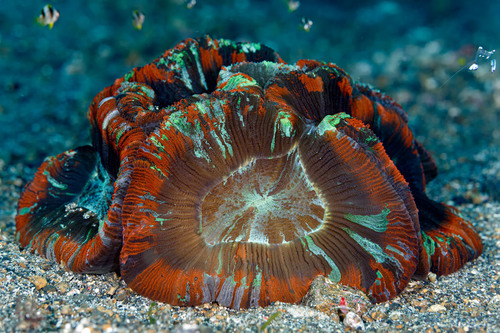
Green Brain Coral (Trachyphyllia geoffroyi) is a strikingly vibrant free-living coral species, renowned for its captivating appearance and unique brain-like structure. This coral belongs to the family Merulinidae and is the sole species in its genus, showcasing a remarkable evolutionary lineage. Found primarily in the warm, shallow waters of the Indo-Pacific region, it thrives in various reef environments, making it a popular choice for marine aquarists and collectors alike.
Visually, the Green Brain Coral is characterized by its large, fleshy polyps that expand during the night, revealing a stunning array of colors, including bright greens, yellows, and hints of purple. During the day, the coral may retract its polyps to protect itself from sunlight and environmental stressors, providing a fascinating display of behavior for observers. This species is known for its resilience, often adapting to varying water conditions, and can live for many years, contributing to the biodiversity of coral reefs.
In terms of behavior, the Green Brain Coral is primarily a solitary organism but can form small colonies when conditions are favorable. Despite its solitary nature, it can exhibit some aggressive behavior towards neighboring corals, especially during feeding times. Understanding its interactions with other species is crucial for maintaining a healthy reef environment.
The natural habitat of the Green Brain Coral includes shallow lagoons and reef slopes, where it can receive adequate light and nutrient flow. This species prefers sandy substrates and areas with moderate water movement, which ensures a balance of nutrients and helps prevent sedimentation on its surface, allowing it to flourish in a well-maintained aquarium setting.
Visually, the Green Brain Coral is characterized by its large, fleshy polyps that expand during the night, revealing a stunning array of colors, including bright greens, yellows, and hints of purple. During the day, the coral may retract its polyps to protect itself from sunlight and environmental stressors, providing a fascinating display of behavior for observers. This species is known for its resilience, often adapting to varying water conditions, and can live for many years, contributing to the biodiversity of coral reefs.
In terms of behavior, the Green Brain Coral is primarily a solitary organism but can form small colonies when conditions are favorable. Despite its solitary nature, it can exhibit some aggressive behavior towards neighboring corals, especially during feeding times. Understanding its interactions with other species is crucial for maintaining a healthy reef environment.
The natural habitat of the Green Brain Coral includes shallow lagoons and reef slopes, where it can receive adequate light and nutrient flow. This species prefers sandy substrates and areas with moderate water movement, which ensures a balance of nutrients and helps prevent sedimentation on its surface, allowing it to flourish in a well-maintained aquarium setting.
When caring for Green Brain Coral, maintaining optimal water parameters is essential for its health and longevity. Ideal temperature ranges between 24°C to 28°C, with salinity levels around 1.023 to 1.025 ppt. The pH should be kept between 8.1 and 8.4, ensuring a stable environment that mimics its natural habitat. It's important to provide moderate to strong lighting to encourage photosynthesis while also ensuring proper water flow to avoid sediment build-up.
Feeding Green Brain Coral is vital for its health, as it relies on both photosynthesis and supplemental feeding. Offer a balanced diet of finely chopped marine foods, such as mysis shrimp or plankton, several times a week. Compatibility with other tank inhabitants should be assessed, as this species can exhibit aggression towards similar corals; therefore, it is best housed with less aggressive tank mates.
Acclimation is crucial when introducing this coral to a new environment. Gradually acclimate it to the new water parameters over the course of several hours to reduce stress. Quarantine is also recommended to prevent the introduction of pests or diseases into your main display tank. Regular monitoring of water quality and coral health will ensure successful long-term care.
Feeding Green Brain Coral is vital for its health, as it relies on both photosynthesis and supplemental feeding. Offer a balanced diet of finely chopped marine foods, such as mysis shrimp or plankton, several times a week. Compatibility with other tank inhabitants should be assessed, as this species can exhibit aggression towards similar corals; therefore, it is best housed with less aggressive tank mates.
Acclimation is crucial when introducing this coral to a new environment. Gradually acclimate it to the new water parameters over the course of several hours to reduce stress. Quarantine is also recommended to prevent the introduction of pests or diseases into your main display tank. Regular monitoring of water quality and coral health will ensure successful long-term care.
Green Brain Corals are suitable for international shipping, with careful packing to prevent damage during transit. Maintain a temperature range of 24°C to 28°C throughout shipping to avoid stress. Packing density should be moderate to ensure airflow and prevent crushing. This species is not listed under CITES, making export regulations straightforward.
Species Parameters
Max Adult Size
30.0 cm
Origin
Indo-Pacific
Habitat
reef
Diet
omnivore
Temp Min
24.0 °C
Temp Max
28.0 °C
Salinity Min
1.023
Salinity Max
1.025
pH Min
8.10
pH Max
8.40
Min Tank
100 L