CITES App. II
Black Sun Coral
Dendrophyllia fistula
In Stock
Common stock
Aquacultured
Experienced care
Reef Safe ✓
SKU: ML-HC-0045
The Black Sun Coral is a captivating addition to reef aquariums, known for its striking color and unique feeding behavior.
Pricing for Verified Importers
Log in to see wholesale prices and order.
Export Size
up to 20.0 cm
Origin
Coral Triangle
Temperature
24.0–28.0°C
Min. Tank Size
100 L
Salinity
1.020–1.025 ppt
pH
8.10–8.40
Diet
carnivore
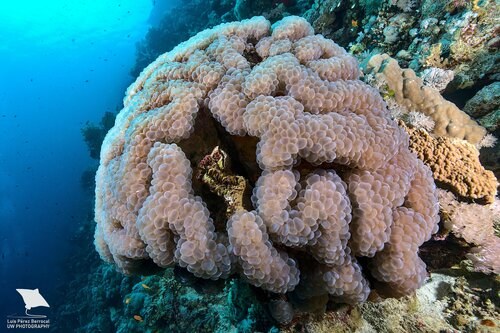
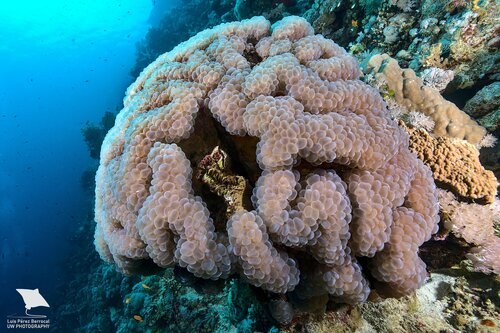
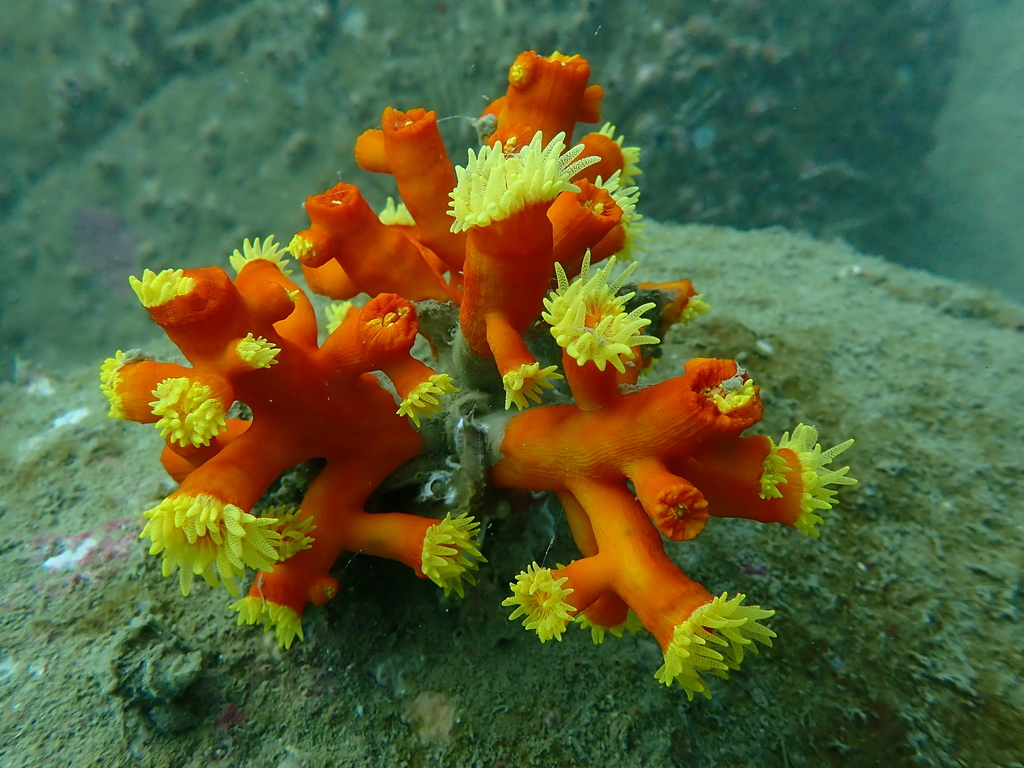
The Black Sun Coral (Dendrophyllia fistula) is a captivating species of coral that thrives in the depths of tropical marine environments. Unlike many corals, this species does not rely on photosynthesis; instead, it feeds on zooplankton and other small particles in the water, making it a fascinating subject for study and observation. Its polyps extend out at night, creating a stunning display as they capture food with their stinging tentacles. The coral's dark, almost black coloration adds a dramatic flair to any aquarium, providing a striking contrast against lighter-colored corals and substrates.
In terms of natural history, the Black Sun Coral is typically found in deeper waters, often in areas with low light levels, which explains its nocturnal feeding habits. It forms small colonies that can vary in size, and each polyp can expand significantly when feeding. The coral's structure is robust, with a skeleton composed of calcium carbonate, which helps it withstand the currents of its natural habitat. Its unique appearance and behavior make it an intriguing specimen for marine enthusiasts and researchers alike.
Behaviorally, the Black Sun Coral is known for its ability to thrive in various conditions, though it is sensitive to changes in water quality. It is often found in association with other marine organisms, which can provide additional nutrients and protection. This species plays a vital role in its ecosystem, contributing to the overall biodiversity of coral reefs. Due to its unique feeding strategy and lack of reliance on symbiotic algae, it can survive in conditions where other corals might struggle.
Overall, the Black Sun Coral is a remarkable species that showcases the diversity of marine life. It not only enhances the visual appeal of aquariums but also offers insights into coral ecology and the delicate balance of reef ecosystems.
In terms of natural history, the Black Sun Coral is typically found in deeper waters, often in areas with low light levels, which explains its nocturnal feeding habits. It forms small colonies that can vary in size, and each polyp can expand significantly when feeding. The coral's structure is robust, with a skeleton composed of calcium carbonate, which helps it withstand the currents of its natural habitat. Its unique appearance and behavior make it an intriguing specimen for marine enthusiasts and researchers alike.
Behaviorally, the Black Sun Coral is known for its ability to thrive in various conditions, though it is sensitive to changes in water quality. It is often found in association with other marine organisms, which can provide additional nutrients and protection. This species plays a vital role in its ecosystem, contributing to the overall biodiversity of coral reefs. Due to its unique feeding strategy and lack of reliance on symbiotic algae, it can survive in conditions where other corals might struggle.
Overall, the Black Sun Coral is a remarkable species that showcases the diversity of marine life. It not only enhances the visual appeal of aquariums but also offers insights into coral ecology and the delicate balance of reef ecosystems.
For successful care of Black Sun Coral, maintaining stable water parameters is crucial. Ideal conditions include a temperature range of 24-28°C, salinity between 1.020 and 1.025 ppt, and a pH level of 8.1-8.4. Regular water changes and monitoring of ammonia, nitrite, and nitrate levels are essential to ensure optimal health. This species thrives in low to moderate light conditions, making it suitable for various reef setups.
Feeding is a critical aspect of keeping Black Sun Coral. As a non-photosynthetic species, it requires regular feedings of zooplankton, small mysis shrimp, and specialized coral foods. Feed at least two to three times a week, preferably during the evening when the polyps are fully extended. This feeding schedule mimics their natural nocturnal behavior and encourages healthy growth.
Compatibility with tank mates is generally good, but caution should be exercised with aggressive species, as the Black Sun Coral can be sensitive to damage from other corals. Acclimation should be conducted slowly to avoid stress, introducing the coral to the aquarium environment over several hours. A quarantine period of at least two weeks is recommended to monitor for pests or diseases before adding to the main display.
Overall, with the right care and attention, Black Sun Coral can thrive in a well-maintained aquarium, providing beauty and interest for years to come.
Feeding is a critical aspect of keeping Black Sun Coral. As a non-photosynthetic species, it requires regular feedings of zooplankton, small mysis shrimp, and specialized coral foods. Feed at least two to three times a week, preferably during the evening when the polyps are fully extended. This feeding schedule mimics their natural nocturnal behavior and encourages healthy growth.
Compatibility with tank mates is generally good, but caution should be exercised with aggressive species, as the Black Sun Coral can be sensitive to damage from other corals. Acclimation should be conducted slowly to avoid stress, introducing the coral to the aquarium environment over several hours. A quarantine period of at least two weeks is recommended to monitor for pests or diseases before adding to the main display.
Overall, with the right care and attention, Black Sun Coral can thrive in a well-maintained aquarium, providing beauty and interest for years to come.
Black Sun Coral is suitable for shipping but requires careful handling to minimize stress. Optimal packing density should be low to allow for adequate water circulation and prevent damage during transit. Maintain a shipping temperature between 24-26°C to ensure the coral remains healthy. This species is not listed under CITES, but it is essential to check local regulations regarding coral trade.
Species Parameters
Max Adult Size
20.0 cm
Origin
Coral Triangle
Diet
carnivore
Temp Min
24.0 °C
Temp Max
28.0 °C
Salinity Min
1.020
Salinity Max
1.025
pH Min
8.10
pH Max
8.40
Min Tank
100 L