CITES App. II
Brown Bubble Coral
Plerogyra sinuosa
In Stock
Common stock
Aquacultured
Experienced care
Reef Safe ✓
SKU: ML-HC-0127
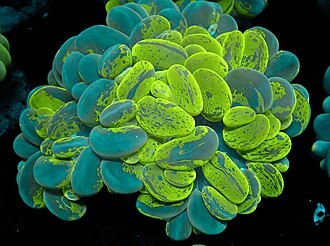
The Brown Bubble Coral captivates with its unique bubbly structure, ideal for low-light aquariums.
Pricing for Verified Importers
Log in to see wholesale prices and order.
Export Size
up to 30.0 cm
Origin
Indo-Pacific
Temperature
24.0–27.0°C
Min. Tank Size
100 L
Salinity
35.000–35.000 ppt
pH
8.10–8.40
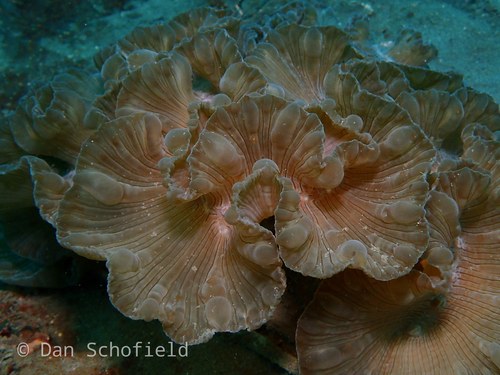
Plerogyra sinuosa, commonly known as the Brown Bubble Coral, is a distinctive coral species belonging to the phylum Cnidaria. Its unique morphology features grape-sized bubbles that expand during the day to maximize light absorption while minimizing in size at night when the coral extends its tentacles to capture food. This fascinating behavior makes it a dynamic addition to marine aquariums, appealing to both enthusiasts and professional aquarists alike.
The Brown Bubble Coral is often referred to as grape coral, bladder coral, and pearl coral, reflecting its appealing and recognizable form. It typically exhibits a range of colors from brown to green, depending on its environment and health. This coral species thrives in low-light conditions, making it suitable for various aquarium settings, particularly those that replicate its natural habitat found in shallow lagoons and reef slopes across the Indo-Pacific region, from the Red Sea to Madagascar, Okinawa, and the Line Islands.
In terms of behavior, Plerogyra sinuosa is known for its symbiotic relationship with zooxanthellae, photosynthetic algae that live within its tissues, providing it with essential nutrients through photosynthesis. This relationship allows the coral to thrive in environments with limited food availability, while it also captures plankton and small particles from the water column, enhancing its nutritional intake. Its gentle, flowing appearance adds aesthetic value to aquariums, making it a favorite among hobbyists.
With its unique adaptations and vibrant appearance, the Brown Bubble Coral is not only visually striking but also an important species within coral reef ecosystems. It serves as a habitat for various marine organisms and contributes to the overall biodiversity of its environment, making it a crucial species for conservation efforts in coral reef protection.
The Brown Bubble Coral is often referred to as grape coral, bladder coral, and pearl coral, reflecting its appealing and recognizable form. It typically exhibits a range of colors from brown to green, depending on its environment and health. This coral species thrives in low-light conditions, making it suitable for various aquarium settings, particularly those that replicate its natural habitat found in shallow lagoons and reef slopes across the Indo-Pacific region, from the Red Sea to Madagascar, Okinawa, and the Line Islands.
In terms of behavior, Plerogyra sinuosa is known for its symbiotic relationship with zooxanthellae, photosynthetic algae that live within its tissues, providing it with essential nutrients through photosynthesis. This relationship allows the coral to thrive in environments with limited food availability, while it also captures plankton and small particles from the water column, enhancing its nutritional intake. Its gentle, flowing appearance adds aesthetic value to aquariums, making it a favorite among hobbyists.
With its unique adaptations and vibrant appearance, the Brown Bubble Coral is not only visually striking but also an important species within coral reef ecosystems. It serves as a habitat for various marine organisms and contributes to the overall biodiversity of its environment, making it a crucial species for conservation efforts in coral reef protection.
To successfully maintain Brown Bubble Coral in an aquarium, it is essential to replicate its natural habitat. The ideal water parameters include a temperature range of 24-27°C, salinity of 1.023-1.025 ppt, and a pH between 8.1 and 8.4. Maintaining stable water conditions is crucial for the health of this coral species, as fluctuations can lead to stress and bleaching.
Feeding Brown Bubble Coral involves providing a balanced diet of small zooplankton, phytoplankton, and other particulate foods. While it can derive some nutrition from zooxanthellae, supplemental feeding is beneficial, particularly in low-light conditions. When introducing this coral to an aquarium, gradual acclimation is necessary to minimize shock. Float the bag in the aquarium for 30 minutes before gently adding small amounts of tank water to the bag over the course of an hour.
In terms of compatibility, Brown Bubble Coral is generally peaceful and can coexist with a variety of other corals and marine species. However, care should be taken to avoid placing it near aggressive corals that may harm it. Quarantine new arrivals for at least two weeks to prevent the introduction of pests or diseases into the main tank. Regular monitoring and maintenance will help ensure a thriving environment for this beautiful coral.
Feeding Brown Bubble Coral involves providing a balanced diet of small zooplankton, phytoplankton, and other particulate foods. While it can derive some nutrition from zooxanthellae, supplemental feeding is beneficial, particularly in low-light conditions. When introducing this coral to an aquarium, gradual acclimation is necessary to minimize shock. Float the bag in the aquarium for 30 minutes before gently adding small amounts of tank water to the bag over the course of an hour.
In terms of compatibility, Brown Bubble Coral is generally peaceful and can coexist with a variety of other corals and marine species. However, care should be taken to avoid placing it near aggressive corals that may harm it. Quarantine new arrivals for at least two weeks to prevent the introduction of pests or diseases into the main tank. Regular monitoring and maintenance will help ensure a thriving environment for this beautiful coral.
Brown Bubble Coral is suitable for shipping, provided proper precautions are taken to ensure its health. Packing should include sufficient water and cushioning to prevent damage. Optimal shipping temperatures should be maintained between 24-26°C, as this coral is sensitive to extreme temperature fluctuations. Due to its CITES status, ensure all necessary documentation is in place for international export.
Species Parameters
Max Adult Size
30.0 cm
Origin
Indo-Pacific
Temp Min
24.0 °C
Temp Max
27.0 °C
Salinity Min
35.000
Salinity Max
35.000
pH Min
8.10
pH Max
8.40
Min Tank
100 L