CITES App. II
Fire Coral
Millepora spp.
In Stock
Common stock
Aquacultured
Easy care
Reef Safe ✓
SKU: CRMILLfirec
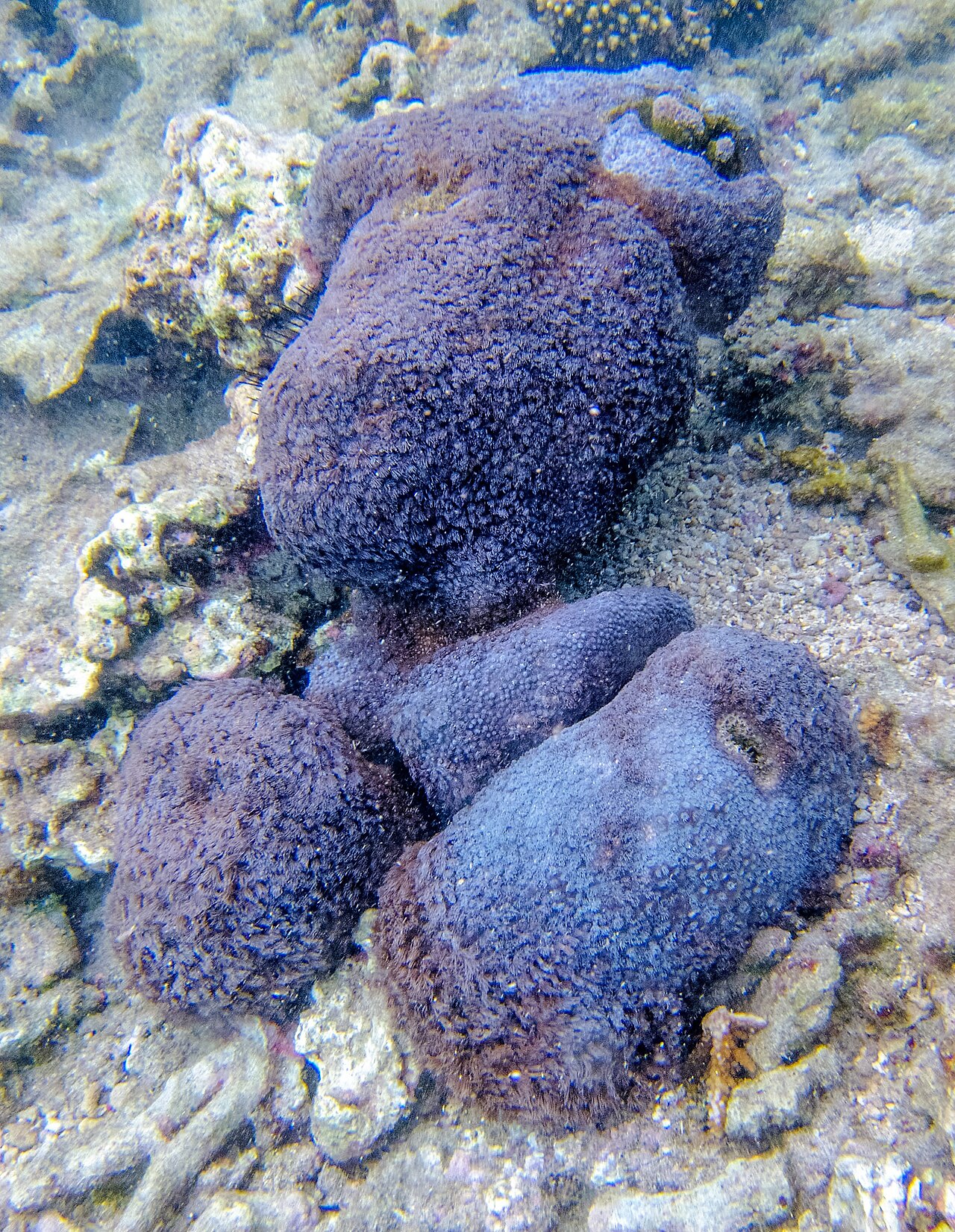
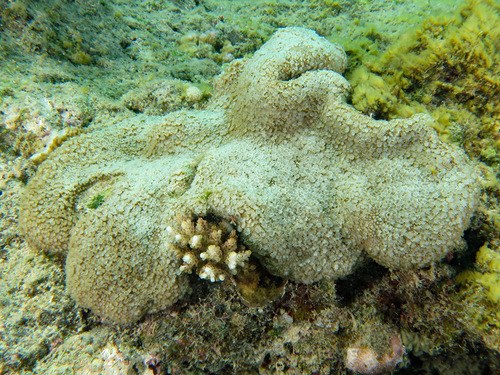
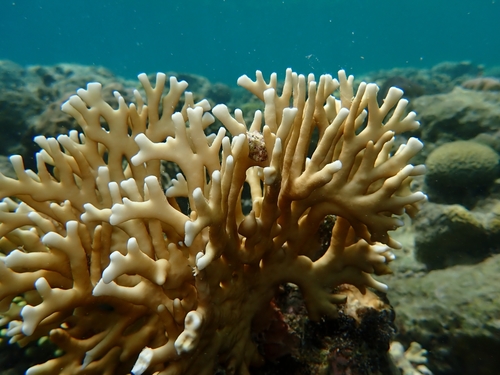
Fire Coral (Millepora spp.) captivates with its vibrant colors and unique structure.
Pricing for Verified Importers
Log in to see wholesale prices and order.
Origin
Indo-Pacific
Temperature
24.0–28.0°C
Min. Tank Size
200 L
Salinity
34.000–36.000 ppt
pH
8.10–8.40
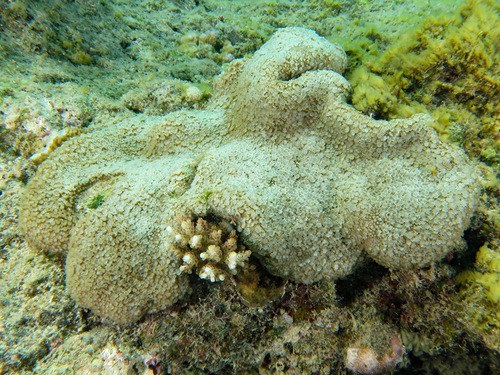
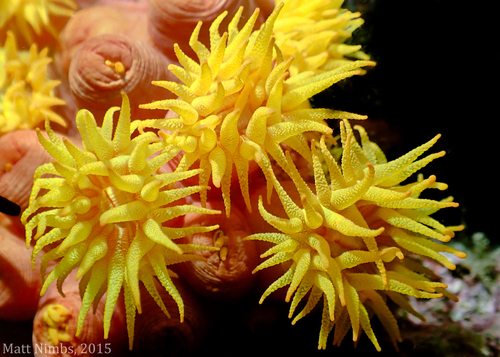
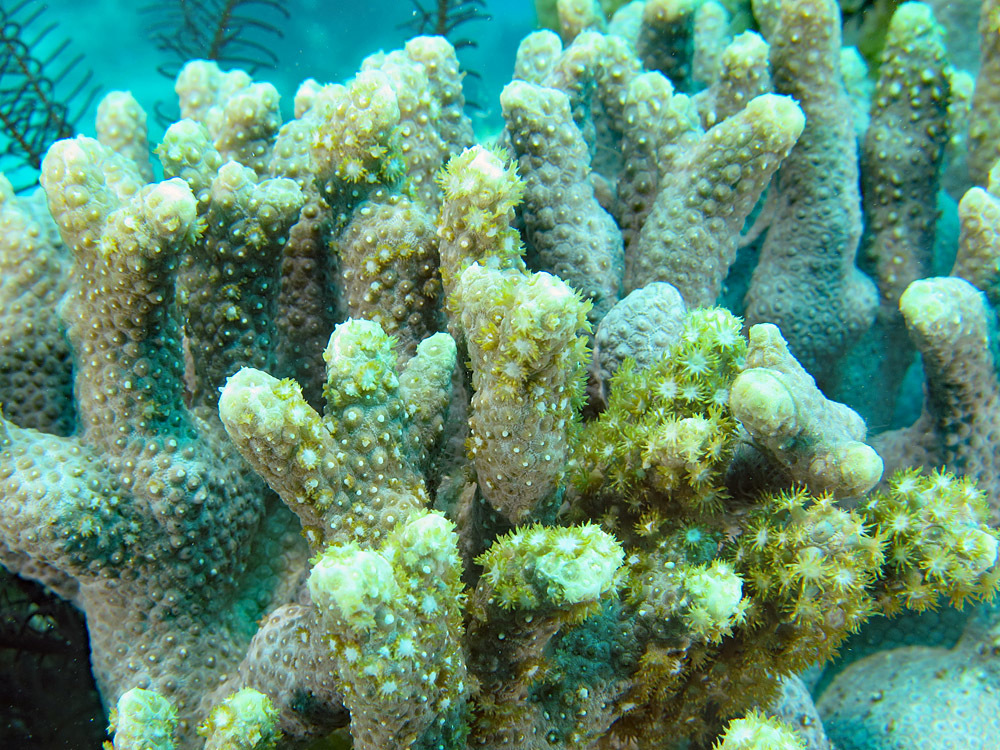
Fire Coral, belonging to the Millepora genus, is a fascinating colonial organism that thrives in tropical marine environments. Characterized by its distinctive, branching or plate-like structure, this coral exhibits a range of vibrant colors, from yellow to reddish hues, which not only enhance its aesthetic appeal but also serve as a warning signal to potential predators due to its stinging capabilities. Often mistaken for true corals, Fire Coral is actually a hydrozoan, which sets it apart in the marine taxonomy.
Found predominantly in the warm waters of the Indo-Pacific region, Fire Coral typically inhabits shallow reefs, where it can flourish under ample sunlight. These corals play a crucial role in reef ecosystems, providing habitat and shelter for various marine species, including fish and invertebrates. Their ability to form extensive colonies allows them to compete effectively for space and resources on the reef.
Behaviorally, Fire Coral exhibits aggressive tendencies, utilizing its specialized nematocysts to ward off competing organisms. Despite their stinging nature, they are an integral part of the reef community, contributing to the overall biodiversity. Their unique growth patterns and adaptability to different environmental conditions make them resilient, yet they remain sensitive to drastic changes in water quality.
The ecological importance of Fire Coral cannot be overstated, as they contribute to reef building and maintenance. Their presence indicates a healthy marine ecosystem, making them a desirable addition to aquariums aiming to replicate natural habitats.
Found predominantly in the warm waters of the Indo-Pacific region, Fire Coral typically inhabits shallow reefs, where it can flourish under ample sunlight. These corals play a crucial role in reef ecosystems, providing habitat and shelter for various marine species, including fish and invertebrates. Their ability to form extensive colonies allows them to compete effectively for space and resources on the reef.
Behaviorally, Fire Coral exhibits aggressive tendencies, utilizing its specialized nematocysts to ward off competing organisms. Despite their stinging nature, they are an integral part of the reef community, contributing to the overall biodiversity. Their unique growth patterns and adaptability to different environmental conditions make them resilient, yet they remain sensitive to drastic changes in water quality.
The ecological importance of Fire Coral cannot be overstated, as they contribute to reef building and maintenance. Their presence indicates a healthy marine ecosystem, making them a desirable addition to aquariums aiming to replicate natural habitats.
When caring for Fire Coral, maintaining optimal water parameters is essential for their health. Ideal temperature ranges from 24°C to 28°C, with salinity levels between 34-36 ppt. A stable pH level between 8.1 and 8.4 is also recommended to support their physiological processes. Fire Corals are photosynthetic, benefiting from moderate lighting, which aids in their growth and energy production.
Feeding Fire Coral primarily relies on the symbiotic zooxanthellae within their tissues, but they can also benefit from supplemental feeding with plankton or coral-specific foods to enhance their growth and coloration. When introducing Fire Coral to an aquarium, ensure proper acclimation to prevent shock; gradual temperature and salinity adjustments are crucial.
Compatibility is critical, as Fire Corals can be aggressive towards other corals due to their stinging cells. It is advisable to place them in a dedicated area away from sensitive species. Quarantine new specimens for a period of 2-4 weeks to monitor for pests or disease before introducing them to the main display tank, ensuring a healthy and thriving environment.
Feeding Fire Coral primarily relies on the symbiotic zooxanthellae within their tissues, but they can also benefit from supplemental feeding with plankton or coral-specific foods to enhance their growth and coloration. When introducing Fire Coral to an aquarium, ensure proper acclimation to prevent shock; gradual temperature and salinity adjustments are crucial.
Compatibility is critical, as Fire Corals can be aggressive towards other corals due to their stinging cells. It is advisable to place them in a dedicated area away from sensitive species. Quarantine new specimens for a period of 2-4 weeks to monitor for pests or disease before introducing them to the main display tank, ensuring a healthy and thriving environment.
Fire Coral is suitable for air shipping, provided it is packed securely to avoid damage during transit. Optimal packing density should be maintained to ensure adequate water circulation while preventing stress. Fire Coral is sensitive to extreme temperatures; therefore, maintaining a temperature range of 24°C to 28°C during shipping is essential. Currently, there are no specific CITES restrictions on Millepora spp., but it is advisable to check local regulations before export.
Species Parameters
Origin
Indo-Pacific
Habitat
reef
Temp Min
24.0 °C
Temp Max
28.0 °C
Salinity Min
34.000
Salinity Max
36.000
pH Min
8.10
pH Max
8.40
Min Tank
200 L