CITES App. II
Two colour large polyp stony
Alveopora spongiosa
In Stock
Common stock
Aquacultured
Experienced care
Reef Safe ✓
SKU: ML-HC-0027
Alveopora spongiosa, with its stunning two-tone coloration, adds vibrant beauty to any reef aquarium.
Pricing for Verified Importers
Log in to see wholesale prices and order.
Export Size
up to 30.0 cm
Origin
Indo-Pacific
Temperature
22.0–28.0°C
Min. Tank Size
100 L
Salinity
30.000–35.000 ppt
pH
8.10–8.40
Alveopora spongiosa, commonly known as the two colour large polyp stony coral, is a captivating species found across a variety of marine environments, including the Red Sea and the Indian Ocean. This coral typically inhabits protected upper coral reef slopes at depths ranging from 9 to 20 meters, but can also thrive at depths of up to 50 meters. Its unique morphology, characterized by large polyps that can extend to feed and interact with the surrounding environment, makes it an attractive choice for marine aquarium enthusiasts.
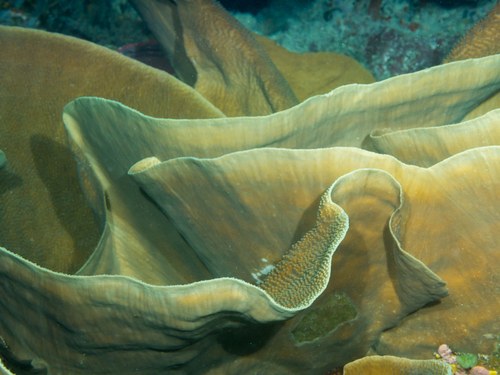
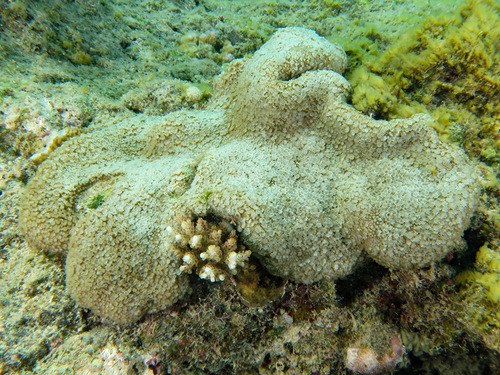
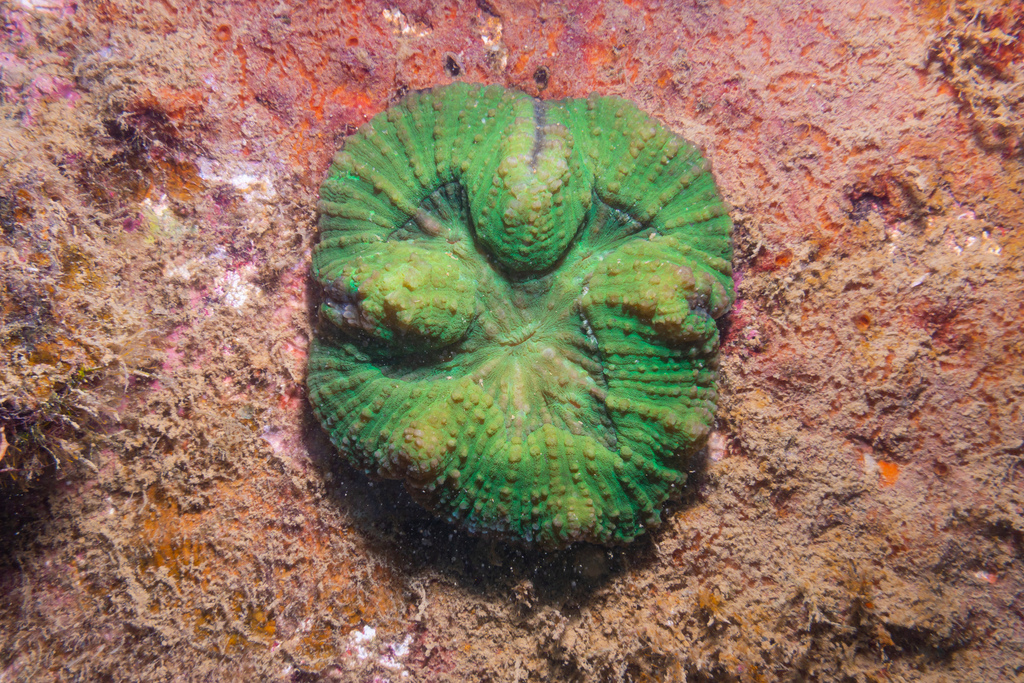
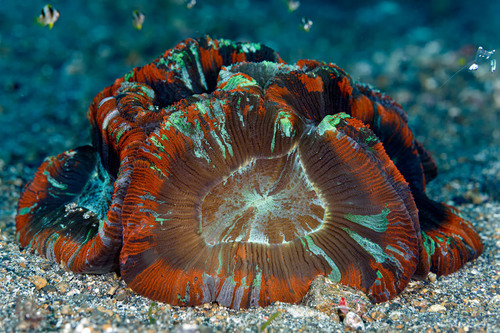
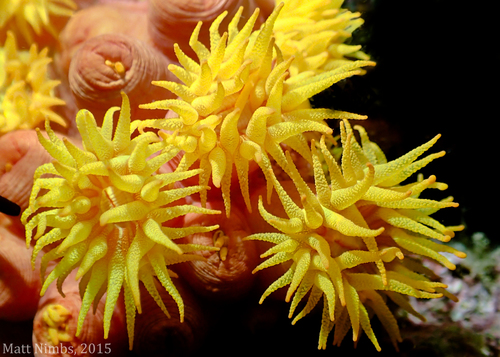
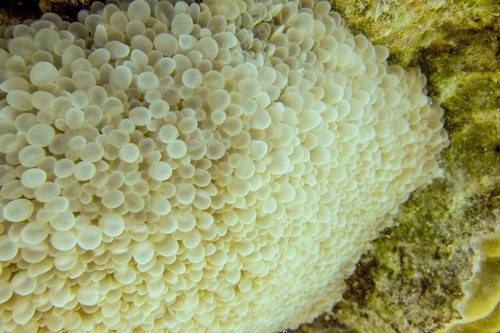
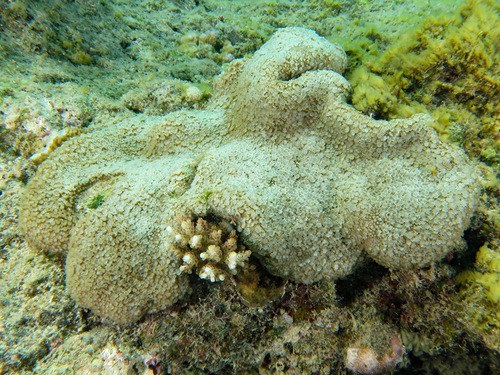
In terms of appearance, Alveopora spongiosa features a robust skeleton with a distinctive two-tone coloration, often exhibiting vibrant hues of green and purple. The polyps are large and fleshy, providing a striking contrast against the hard skeletal structure. The coral's growth form can vary, but it generally presents a branching or encrusting structure, which can create an eye-catching display in reef tanks.
Behaviorally, Alveopora spongiosa is a photosynthetic coral that relies on symbiotic relationships with zooxanthellae, which provide essential nutrients through photosynthesis. This relationship allows the coral to thrive in varying light conditions, making it a versatile addition to an aquarium. However, it is moderately susceptible to coral bleaching, particularly during periods of environmental stress, such as elevated water temperatures or poor water quality.
In the wild, Alveopora spongiosa plays a vital role in reef ecosystems by providing habitat and food for various marine species. Its ability to adapt to different depths and conditions allows it to flourish in diverse marine environments, further enhancing its appeal to aquarium importers and wholesalers seeking to diversify their offerings.
In terms of appearance, Alveopora spongiosa features a robust skeleton with a distinctive two-tone coloration, often exhibiting vibrant hues of green and purple. The polyps are large and fleshy, providing a striking contrast against the hard skeletal structure. The coral's growth form can vary, but it generally presents a branching or encrusting structure, which can create an eye-catching display in reef tanks.
Behaviorally, Alveopora spongiosa is a photosynthetic coral that relies on symbiotic relationships with zooxanthellae, which provide essential nutrients through photosynthesis. This relationship allows the coral to thrive in varying light conditions, making it a versatile addition to an aquarium. However, it is moderately susceptible to coral bleaching, particularly during periods of environmental stress, such as elevated water temperatures or poor water quality.
In the wild, Alveopora spongiosa plays a vital role in reef ecosystems by providing habitat and food for various marine species. Its ability to adapt to different depths and conditions allows it to flourish in diverse marine environments, further enhancing its appeal to aquarium importers and wholesalers seeking to diversify their offerings.
When caring for Alveopora spongiosa, it is essential to maintain stable water parameters to ensure its health and longevity. The optimal temperature range for this coral is between 22°C to 28°C, while salinity levels should be maintained between 30 to 35 ppt. The pH should ideally be kept between 8.1 and 8.4 to promote healthy growth and metabolic processes.
Feeding Alveopora spongiosa can be beneficial, especially in a captive environment. While this species primarily relies on photosynthesis, supplementary feeding with coral foods or finely particulate matter can enhance its color and growth rates. Compatibility with other marine species is generally good, but caution should be exercised to avoid aggressive corals that may outcompete it for space and resources.
Acclimation is critical when introducing Alveopora spongiosa to a new environment. A slow acclimation process over several hours is recommended to reduce stress. Quarantine for at least two weeks is also advisable to monitor for any signs of disease or pests before adding it to the main display tank. By adhering to these care guidelines, importers and retailers can offer a thriving specimen to their customers.
Feeding Alveopora spongiosa can be beneficial, especially in a captive environment. While this species primarily relies on photosynthesis, supplementary feeding with coral foods or finely particulate matter can enhance its color and growth rates. Compatibility with other marine species is generally good, but caution should be exercised to avoid aggressive corals that may outcompete it for space and resources.
Acclimation is critical when introducing Alveopora spongiosa to a new environment. A slow acclimation process over several hours is recommended to reduce stress. Quarantine for at least two weeks is also advisable to monitor for any signs of disease or pests before adding it to the main display tank. By adhering to these care guidelines, importers and retailers can offer a thriving specimen to their customers.
Alveopora spongiosa is suitable for shipping due to its hardy nature, but care should be taken to monitor temperature during transit. Packing density should allow for adequate water circulation to prevent stress. This species is sensitive to extreme temperature fluctuations, so maintaining a stable environment is crucial. It is important to note that Alveopora spongiosa is not listed under CITES, facilitating easier trade for exporters and wholesalers.
Species Parameters
Max Adult Size
30.0 cm
Origin
Indo-Pacific
Temp Min
22.0 °C
Temp Max
28.0 °C
Salinity Min
30.000
Salinity Max
35.000
pH Min
8.10
pH Max
8.40
Min Tank
100 L