CITES App. II
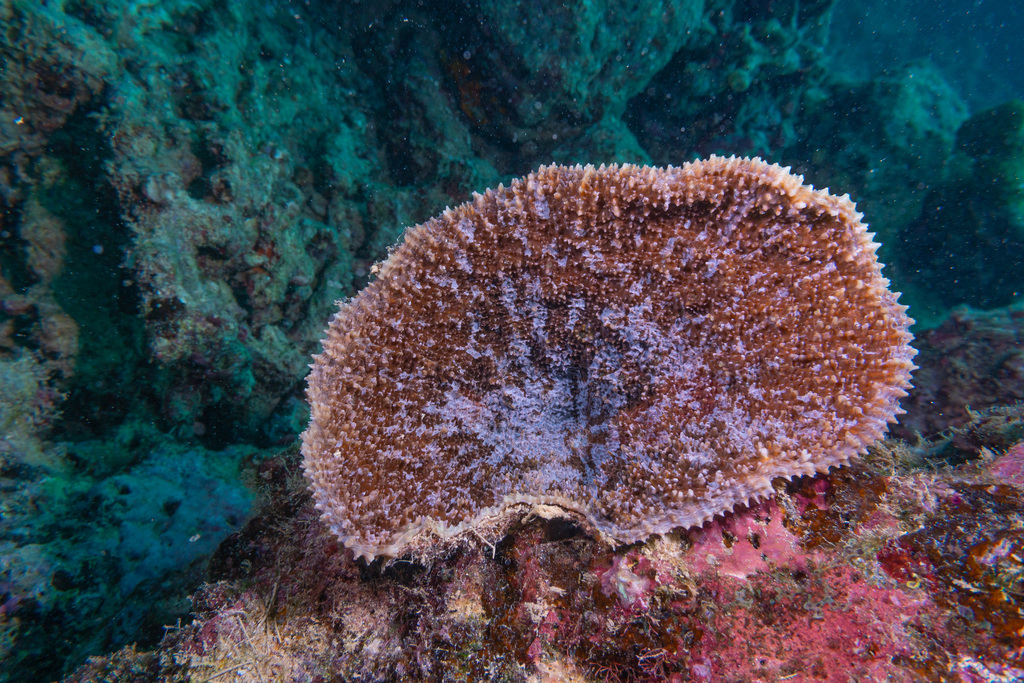
Green Big Eyes Pagoda Cup Coral
Turbinaria peltata
In Stock
Common stock
Aquacultured
Easy care
Reef Safe ✓
SKU: CRTURBgree2
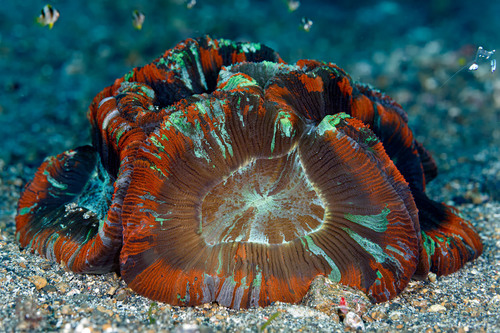
The Green Big Eyes Pagoda Cup Coral captivates with its vibrant colors and unique structure.
Pricing for Verified Importers
Log in to see wholesale prices and order.
Export Size
up to 30.0 cm
Origin
Indo-Pacific
Temperature
24.0–28.0°C
Min. Tank Size
100 L
Salinity
32.000–36.000 ppt
pH
8.10–8.40
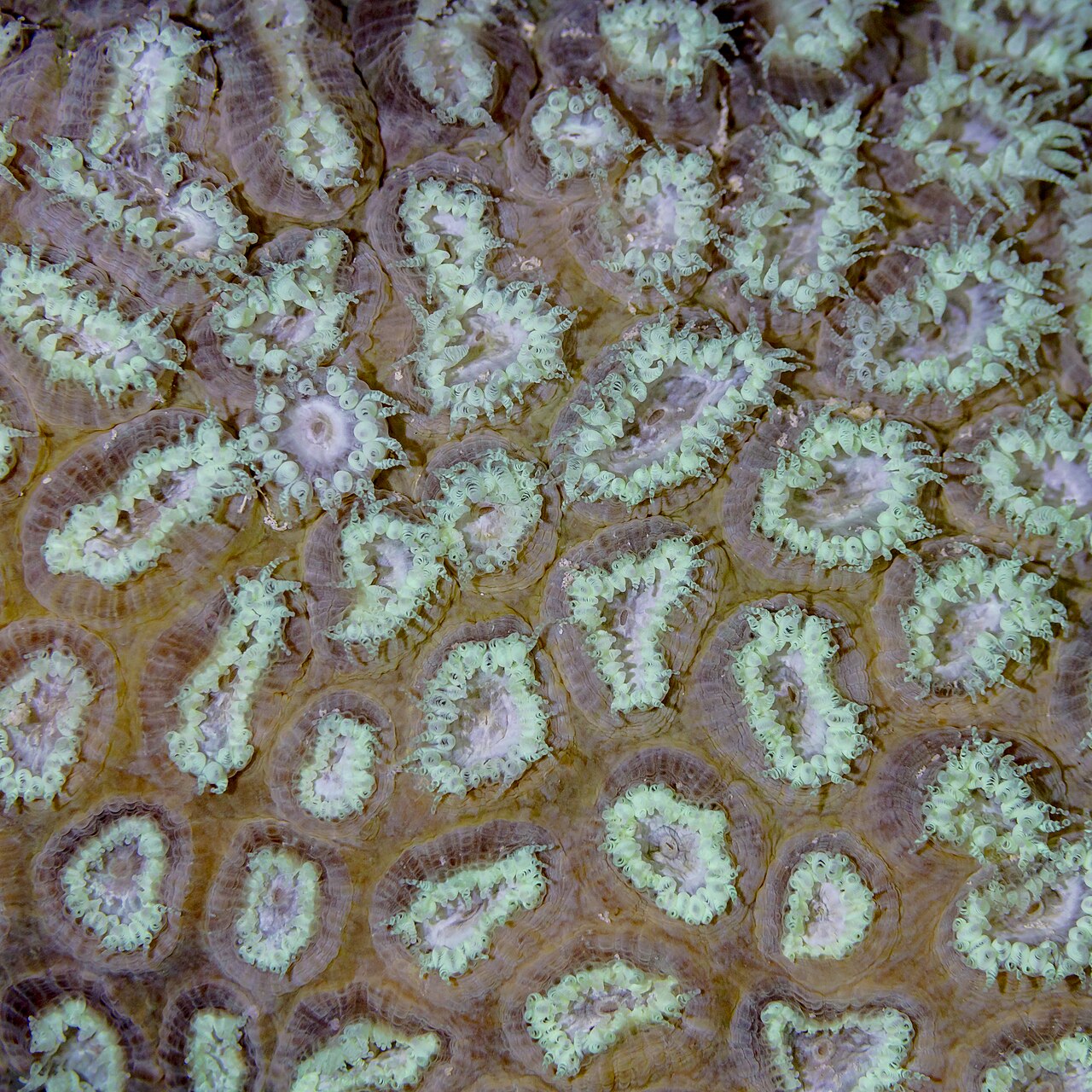
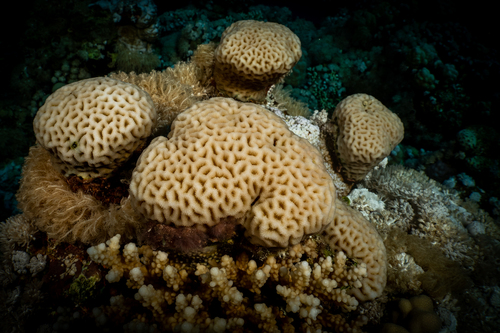
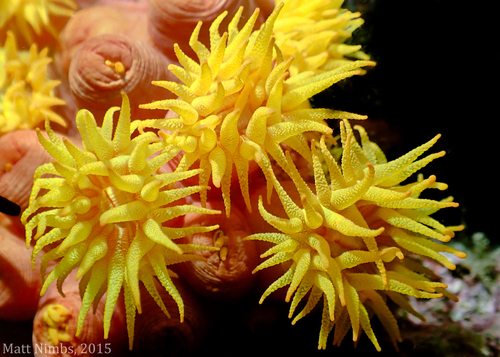
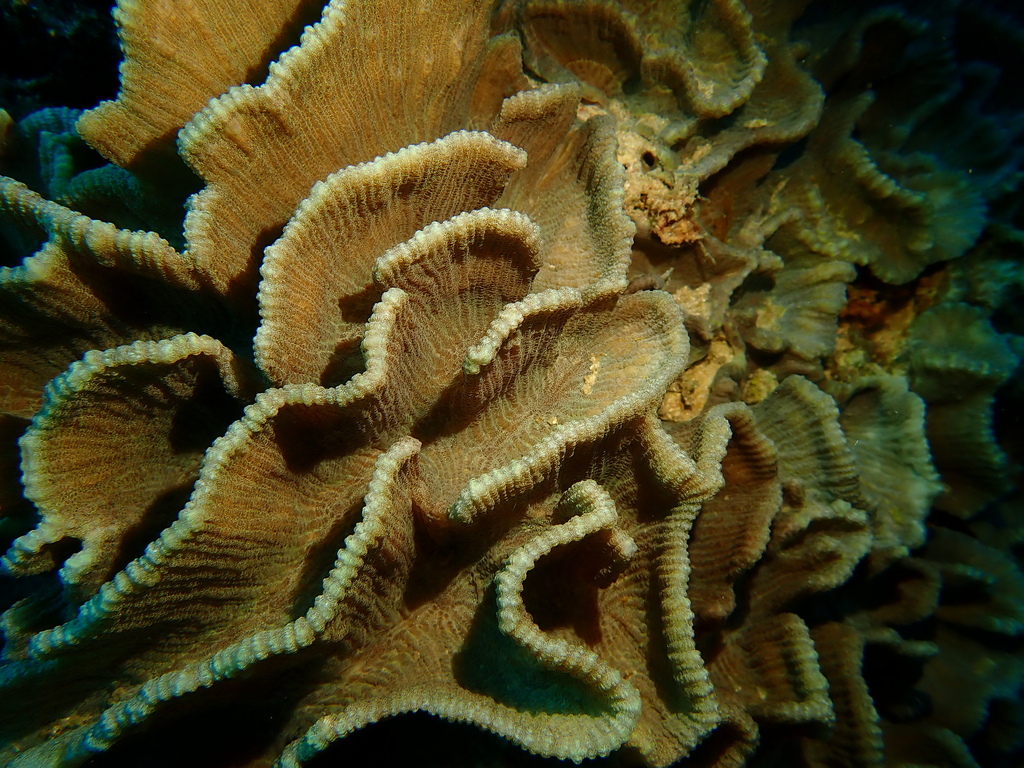
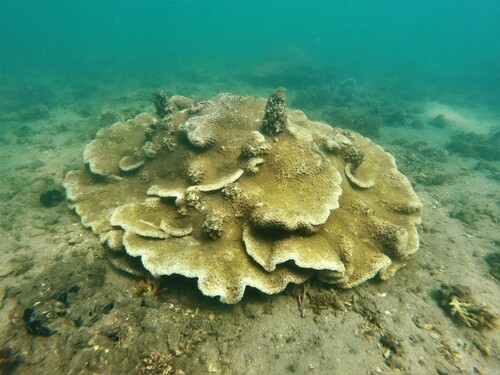
Turbinaria peltata, known as the Green Big Eyes Pagoda Cup Coral, is a fascinating species of colonial stony coral found primarily in the Indo-Pacific region. This coral species is characterized by its distinctive disc-like structure, which resembles small pagodas or cups. Its vibrant green hues, combined with prominent big eyes or polyp openings, make it a stunning addition to any marine aquarium. While it is visually striking, it also plays an essential role in the marine ecosystem, providing habitat and food for various marine organisms.
In terms of natural history, T. peltata typically inhabits shallow waters, preferring reef environments where it can thrive under moderate to high light conditions. It tends to grow in colonies, forming massive structures that can provide shelter and breeding grounds for small fish and invertebrates. The coral polyps extend their tentacles at night to feed on plankton and other nutrients, showcasing a fascinating behavioral adaptation.
The Green Big Eyes Pagoda Cup Coral is not only a visual highlight but also serves as an indicator of environmental health. Its presence in a reef ecosystem suggests a balanced habitat, while its vulnerability status denotes the need for conservation efforts in its native regions. This makes it a valuable species for both hobbyists and conservationists alike, highlighting its importance beyond mere aesthetics.
Overall, T. peltata is an excellent choice for aquarists looking to enhance their tanks with a unique and ecologically significant coral species. Its distinctive appearance and role in marine biodiversity make it a sought-after coral among aquarium enthusiasts and professionals.
In terms of natural history, T. peltata typically inhabits shallow waters, preferring reef environments where it can thrive under moderate to high light conditions. It tends to grow in colonies, forming massive structures that can provide shelter and breeding grounds for small fish and invertebrates. The coral polyps extend their tentacles at night to feed on plankton and other nutrients, showcasing a fascinating behavioral adaptation.
The Green Big Eyes Pagoda Cup Coral is not only a visual highlight but also serves as an indicator of environmental health. Its presence in a reef ecosystem suggests a balanced habitat, while its vulnerability status denotes the need for conservation efforts in its native regions. This makes it a valuable species for both hobbyists and conservationists alike, highlighting its importance beyond mere aesthetics.
Overall, T. peltata is an excellent choice for aquarists looking to enhance their tanks with a unique and ecologically significant coral species. Its distinctive appearance and role in marine biodiversity make it a sought-after coral among aquarium enthusiasts and professionals.
When caring for the Green Big Eyes Pagoda Cup Coral, it is essential to maintain stable water parameters. The ideal temperature range is between 24-28°C, with a salinity of 32-36 ppt. The pH should be kept between 8.1 and 8.4 for optimal health. Providing adequate lighting is crucial, as this coral benefits from moderate to high light conditions to support its photosynthetic symbionts.
Feeding T. peltata typically involves offering a diet rich in plankton and other small particulates, particularly during the evening when the polyps are extended. In addition to supplemental feeding, the coral relies on the photosynthesis of its zooxanthellae, so maintaining proper lighting is key. Compatibility with other marine species is generally good, but caution should be taken to ensure that aggressive tank mates do not harm the coral.
Acclimation is critical when introducing this coral to a new environment. A slow drip acclimation process is recommended to help it adjust to differences in water parameters. Quarantine is also advised for newly imported corals to prevent the introduction of pests or diseases into the main display tank. A dedicated quarantine tank can help monitor the coral's health before it is placed into the main aquarium.
Feeding T. peltata typically involves offering a diet rich in plankton and other small particulates, particularly during the evening when the polyps are extended. In addition to supplemental feeding, the coral relies on the photosynthesis of its zooxanthellae, so maintaining proper lighting is key. Compatibility with other marine species is generally good, but caution should be taken to ensure that aggressive tank mates do not harm the coral.
Acclimation is critical when introducing this coral to a new environment. A slow drip acclimation process is recommended to help it adjust to differences in water parameters. Quarantine is also advised for newly imported corals to prevent the introduction of pests or diseases into the main display tank. A dedicated quarantine tank can help monitor the coral's health before it is placed into the main aquarium.
The Green Big Eyes Pagoda Cup Coral is suitable for shipping, provided that it is packed securely with adequate moisture and temperature control. A packing density that allows for proper airflow and minimal movement during transit is recommended. This coral is sensitive to extreme temperature fluctuations; therefore, maintaining a stable temperature between 24-26°C during shipping is crucial. Currently, T. peltata is not listed under CITES, simplifying its export regulations.
Species Parameters
Max Adult Size
30.0 cm
Origin
Indo-Pacific
Habitat
reef
Temp Min
24.0 °C
Temp Max
28.0 °C
Salinity Min
32.000
Salinity Max
36.000
pH Min
8.10
pH Max
8.40
Min Tank
100 L