CITES App. II
Green Flowerpot Long Tentacle one corol
Goniopora spp
In Stock
Common stock
Aquacultured
Experienced care
Reef Safe ✓
SKU: ML-HC-0099
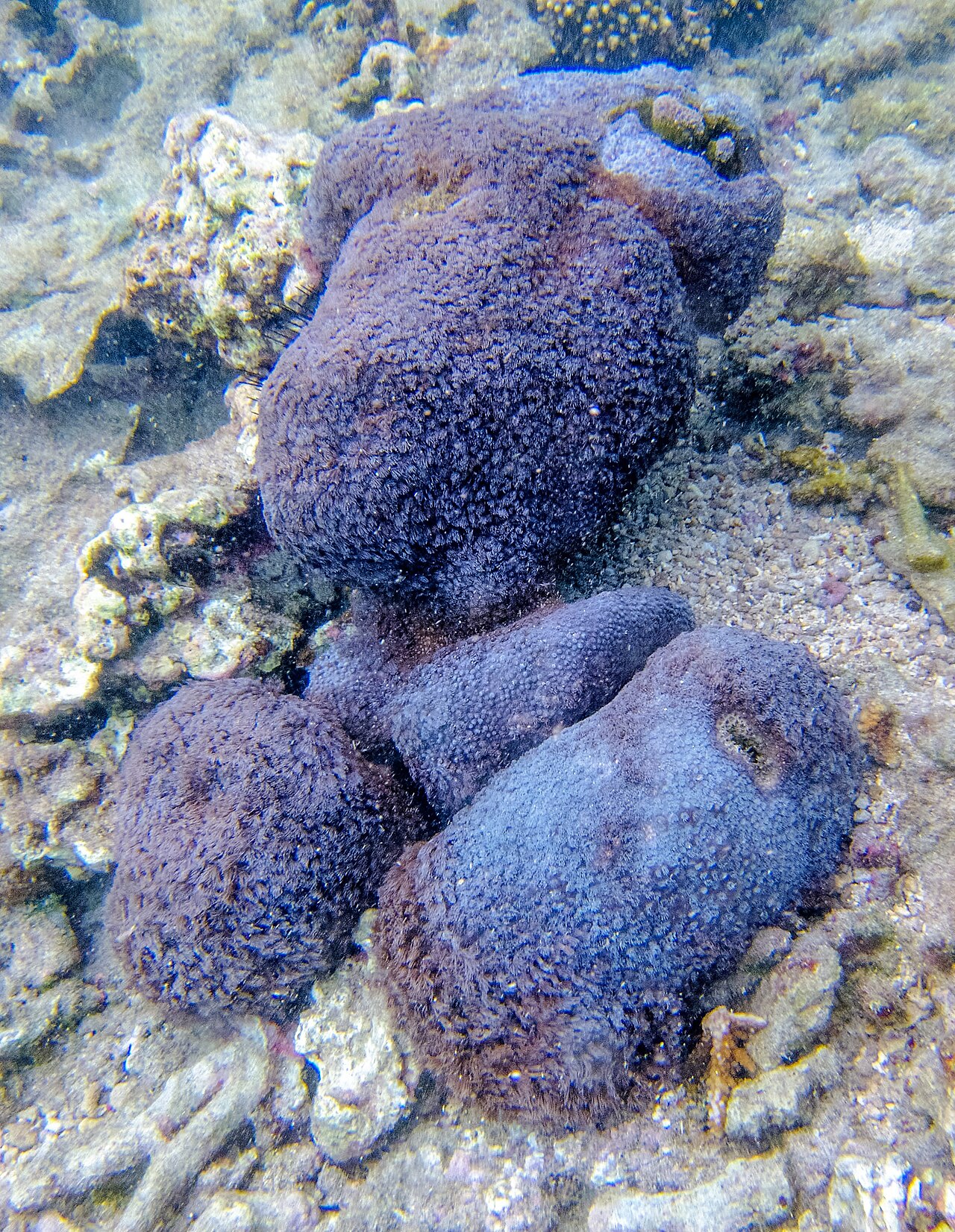
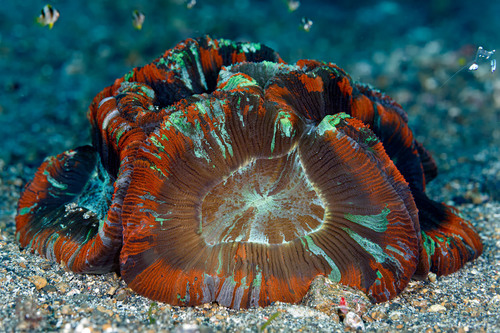
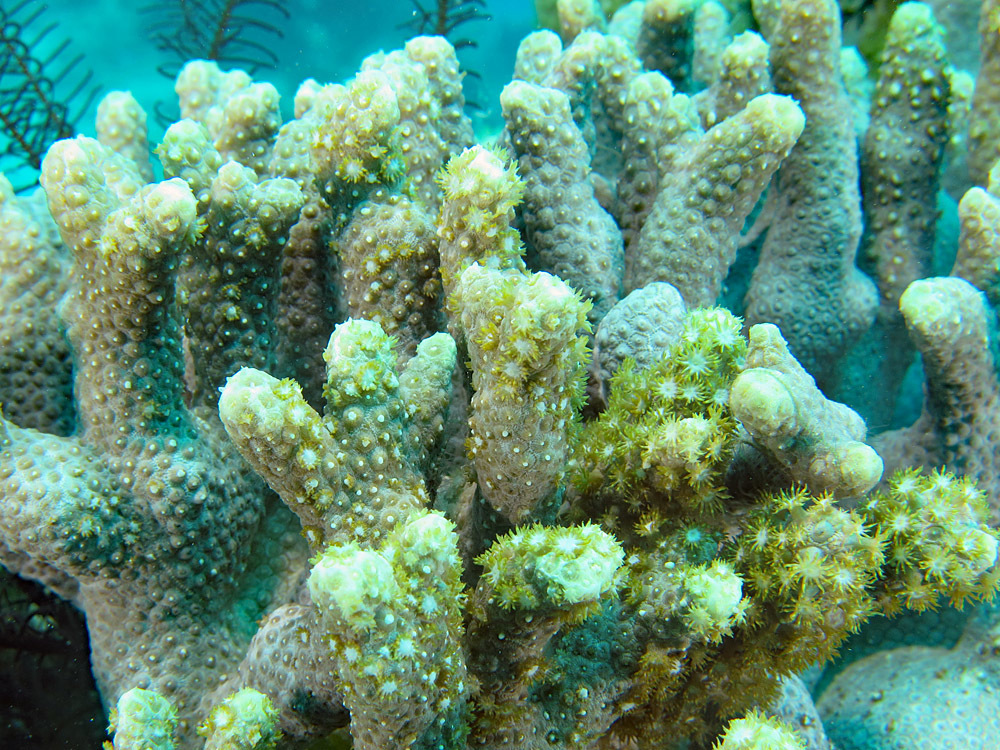
The Green Flowerpot Long Tentacle coral (Goniopora spp) is a stunning addition to any aquarium, showcasing vibrant colors and unique tentacle formations.
Pricing for Verified Importers
Log in to see wholesale prices and order.
Export Size
up to 30.0 cm
Origin
Indo-Pacific
Temperature
24.0–28.0°C
Min. Tank Size
100 L
Salinity
1.023–1.025 ppt
pH
8.10–8.40
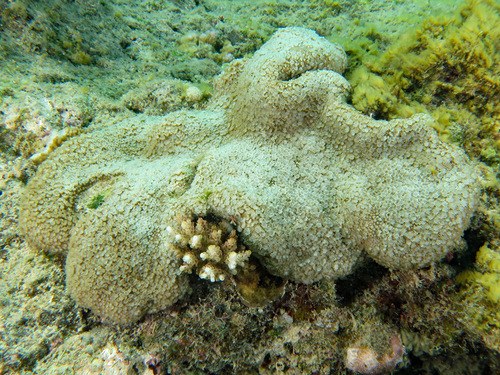
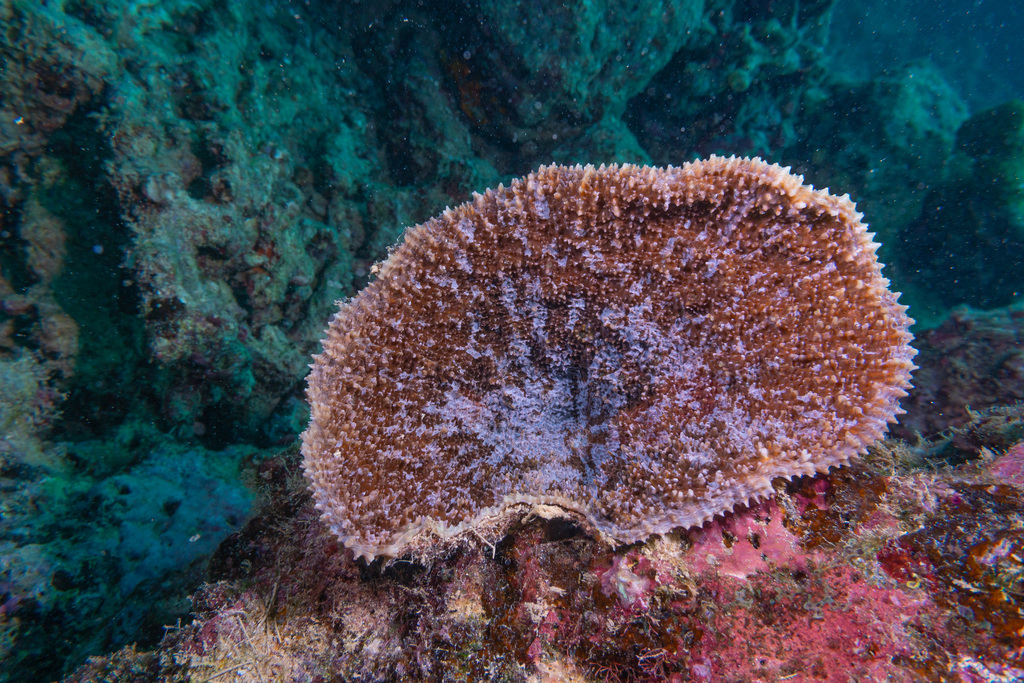
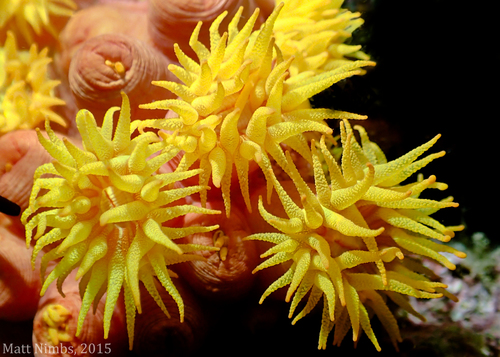
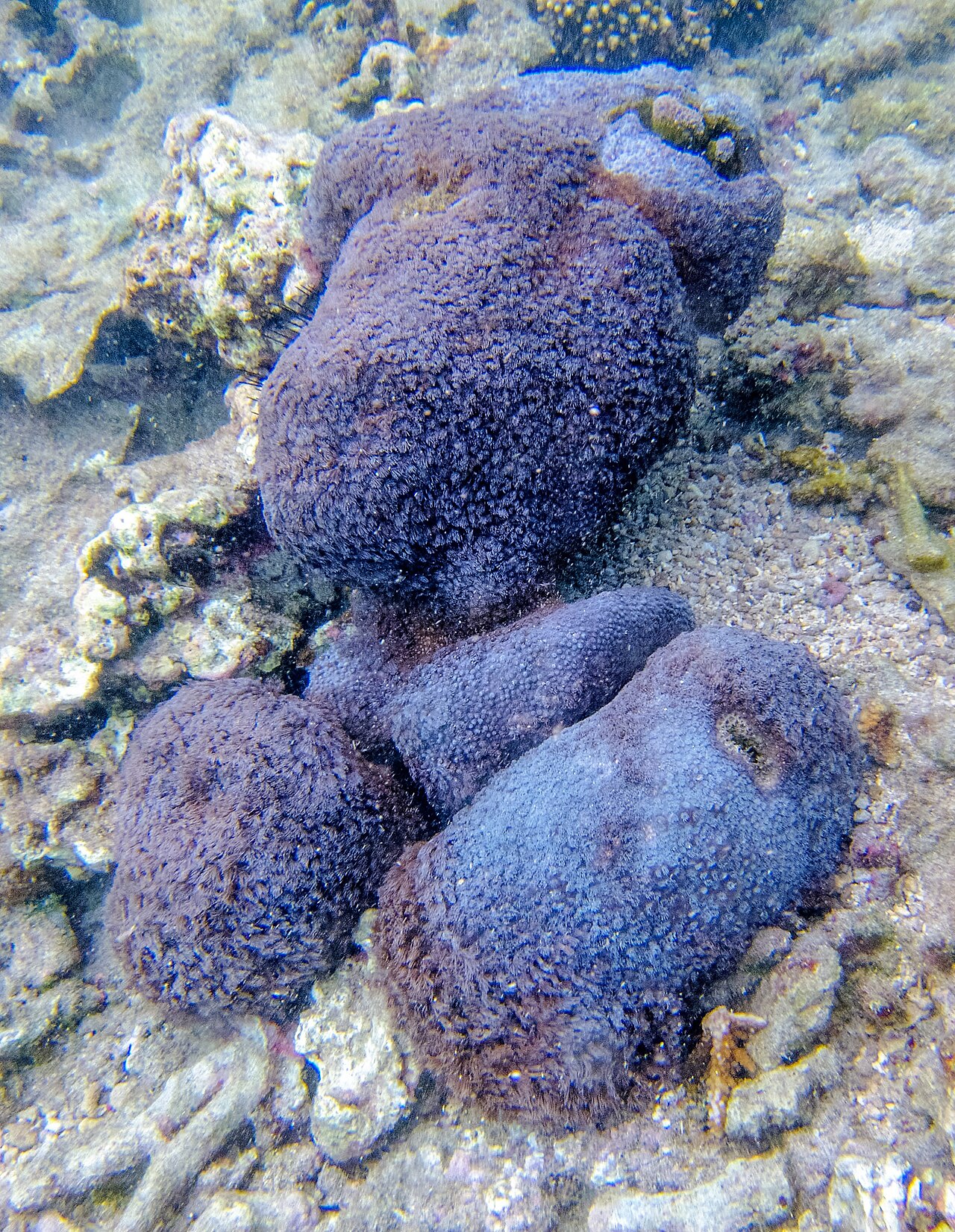
The Green Flowerpot Long Tentacle coral, belonging to the Goniopora genus, is renowned for its captivating appearance and ecological significance. These corals are characterized by their bulbous, flowerpot-like structure, adorned with long, flowing tentacles that can reach impressive lengths. Their bright green coloration is vibrant under both natural and artificial lighting, making them a showstopper in any marine display. Goniopora corals are typically found in shallow waters of the Indo-Pacific region, thriving in environments rich in sunlight and nutrients.
In terms of natural history, Goniopora corals are known for their symbiotic relationship with zooxanthellae, photosynthetic algae that reside within their tissues. This relationship allows them to harness sunlight for energy, contributing to their growth and vibrancy. Their habitat often consists of sandy or rocky substrates where they can anchor securely while benefiting from water movement, which delivers essential nutrients. Interestingly, these corals can also exhibit a range of colors, though the green variant is particularly sought after for its aesthetic appeal.
Behaviorally, Goniopora corals are generally passive yet can exhibit aggression towards other corals if they invade their territory. They extend their tentacles primarily at night to feed on plankton and other small particles present in the water column. This nocturnal feeding behavior, combined with their unique morphology, makes them a fascinating addition to any reef aquarium. Additionally, they play a crucial role in their ecosystem, contributing to reef structure and providing habitat for various marine organisms.
Overall, the Green Flowerpot Long Tentacle coral is not just a beautiful specimen but also an important contributor to marine biodiversity. Its presence in aquariums helps raise awareness about coral conservation and the delicate balance of marine ecosystems.
In terms of natural history, Goniopora corals are known for their symbiotic relationship with zooxanthellae, photosynthetic algae that reside within their tissues. This relationship allows them to harness sunlight for energy, contributing to their growth and vibrancy. Their habitat often consists of sandy or rocky substrates where they can anchor securely while benefiting from water movement, which delivers essential nutrients. Interestingly, these corals can also exhibit a range of colors, though the green variant is particularly sought after for its aesthetic appeal.
Behaviorally, Goniopora corals are generally passive yet can exhibit aggression towards other corals if they invade their territory. They extend their tentacles primarily at night to feed on plankton and other small particles present in the water column. This nocturnal feeding behavior, combined with their unique morphology, makes them a fascinating addition to any reef aquarium. Additionally, they play a crucial role in their ecosystem, contributing to reef structure and providing habitat for various marine organisms.
Overall, the Green Flowerpot Long Tentacle coral is not just a beautiful specimen but also an important contributor to marine biodiversity. Its presence in aquariums helps raise awareness about coral conservation and the delicate balance of marine ecosystems.
Caring for Green Flowerpot Long Tentacle corals requires attention to specific water parameters to ensure their health and vitality. Optimal water temperature should be maintained between 24°C to 28°C, with a salinity of 1.023 to 1.025 ppt. The pH level should ideally be kept between 8.1 and 8.4. Regular water changes and good filtration are essential to keep nitrate and phosphate levels low, promoting a stable environment for growth.
Feeding these corals involves providing a mix of small particulate foods and liquid coral foods that are rich in nutrients. They benefit from regular feedings, ideally three to four times a week, to supplement their energy needs from photosynthesis. Compatibility with other species is generally good, but caution should be taken with aggressive corals that may compete for space or light.
When acclimating Goniopora corals, a slow drip method is recommended to minimize temperature and salinity shock. Quarantine is advisable for new additions to prevent the introduction of pests or diseases into the main display tank. Providing ample light and moderate water flow will enhance their growth and overall well-being, making them thrive in a home aquarium setting.
Feeding these corals involves providing a mix of small particulate foods and liquid coral foods that are rich in nutrients. They benefit from regular feedings, ideally three to four times a week, to supplement their energy needs from photosynthesis. Compatibility with other species is generally good, but caution should be taken with aggressive corals that may compete for space or light.
When acclimating Goniopora corals, a slow drip method is recommended to minimize temperature and salinity shock. Quarantine is advisable for new additions to prevent the introduction of pests or diseases into the main display tank. Providing ample light and moderate water flow will enhance their growth and overall well-being, making them thrive in a home aquarium setting.
Green Flowerpot Long Tentacle corals are suitable for shipping under controlled conditions. They should be packed with care to minimize movement and potential damage during transit. Ideal packing density should ensure adequate space for each coral to prevent stress. Temperature sensitivity requires maintaining a stable environment, ideally between 24°C to 28°C, during transport. As Goniopora spp. are not listed under CITES, they do not require special permits for export.
Species Parameters
Max Adult Size
30.0 cm
Origin
Indo-Pacific
Temp Min
24.0 °C
Temp Max
28.0 °C
Salinity Min
1.023
Salinity Max
1.025
pH Min
8.10
pH Max
8.40
Min Tank
100 L