CITES App. II
Orange Sun Corals
Tubastraea sp
In Stock
Common stock
Aquacultured
Easy care
Reef Safe ✓
SKU: CRTUBAoran
The vibrant Orange Sun Corals (Tubastraea sp) are a stunning addition to any marine aquarium.
Pricing for Verified Importers
Log in to see wholesale prices and order.
Export Size
up to 2.5 cm
Origin
Indo-Pacific
Temperature
24.0–28.0°C
Min. Tank Size
100 L
Salinity
1.020–1.025 ppt
pH
8.10–8.40
Diet
carnivore
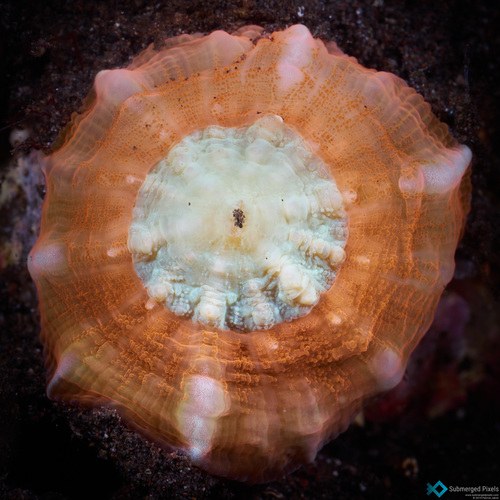
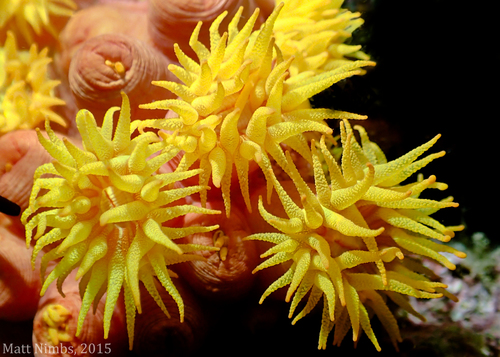
Orange Sun Corals (Tubastraea sp) are captivating colonial corals known for their striking orange coloration and unique feeding behaviors. These corals are primarily found in warm, shallow waters of the Indo-Pacific region, particularly thriving in areas with moderate water flow and plenty of light. Unlike many coral species, Tubastraea sp is a non-zooxanthellate coral, meaning they do not rely on symbiotic algae for nutrition. Instead, they are carnivorous, capturing plankton and small organisms from the water column with their specialized tentacles.
In terms of appearance, Orange Sun Corals feature a dense cluster of polyps that can expand to reveal their vibrant orange bodies during feeding times. Each polyp can grow up to 2.5 cm in diameter, and they are often found in large colonies that create a visually stunning display in the aquarium. The corals exhibit a unique behavior where they extend their tentacles at night, making them more active and feeding during the evening hours.
The natural habitat of Orange Sun Corals includes rocky reefs and crevices where they can anchor securely while still accessing plenty of food. They thrive in stable environments with consistent water parameters, and their beautiful coloration can serve as an indicator of their overall health. Their resilience in the face of environmental changes makes them an appealing choice for aquarists looking to enhance the biodiversity of their marine systems.
Despite their hardiness, proper care is essential to ensure the long-term health of Orange Sun Corals. They require a well-maintained aquarium environment that mimics their natural habitat to flourish.
In terms of appearance, Orange Sun Corals feature a dense cluster of polyps that can expand to reveal their vibrant orange bodies during feeding times. Each polyp can grow up to 2.5 cm in diameter, and they are often found in large colonies that create a visually stunning display in the aquarium. The corals exhibit a unique behavior where they extend their tentacles at night, making them more active and feeding during the evening hours.
The natural habitat of Orange Sun Corals includes rocky reefs and crevices where they can anchor securely while still accessing plenty of food. They thrive in stable environments with consistent water parameters, and their beautiful coloration can serve as an indicator of their overall health. Their resilience in the face of environmental changes makes them an appealing choice for aquarists looking to enhance the biodiversity of their marine systems.
Despite their hardiness, proper care is essential to ensure the long-term health of Orange Sun Corals. They require a well-maintained aquarium environment that mimics their natural habitat to flourish.
For successful husbandry of Orange Sun Corals, maintaining optimal water parameters is crucial. The ideal temperature range is between 24°C and 28°C, with a salinity level of 1.020 to 1.025 ppt. pH levels should be kept between 8.1 and 8.4 to ensure a stable environment. It's important to provide sufficient water movement to help with feeding and waste removal.
Feeding is vital for these corals, as they do not rely on photosynthesis. Offer a diet of finely chopped meaty foods, such as mysis shrimp, brine shrimp, and other planktonic organisms several times a week. It’s best to feed them during the evening when they are most active. Compatibility with other tank inhabitants is generally favorable, but caution should be taken with aggressive species that may harm the corals.
Acclimation should be done slowly over several hours to avoid shock. Furthermore, it's advisable to quarantine new arrivals for at least two weeks before introducing them into the main display tank. This helps prevent the spread of diseases and ensures that the corals adapt to the new environment gradually. Regular monitoring for pests and diseases will also contribute to their overall success in captivity.
Feeding is vital for these corals, as they do not rely on photosynthesis. Offer a diet of finely chopped meaty foods, such as mysis shrimp, brine shrimp, and other planktonic organisms several times a week. It’s best to feed them during the evening when they are most active. Compatibility with other tank inhabitants is generally favorable, but caution should be taken with aggressive species that may harm the corals.
Acclimation should be done slowly over several hours to avoid shock. Furthermore, it's advisable to quarantine new arrivals for at least two weeks before introducing them into the main display tank. This helps prevent the spread of diseases and ensures that the corals adapt to the new environment gradually. Regular monitoring for pests and diseases will also contribute to their overall success in captivity.
Orange Sun Corals are suitable for shipping, but careful packing is essential to prevent stress during transit. Ensure they are packed with adequate water and cushioning to reduce movement. The temperature should be maintained between 20°C and 25°C during shipping to minimize stress. There are currently no CITES restrictions on this species, allowing for legal export from Bali.
Species Parameters
Max Adult Size
2.5 cm
Origin
Indo-Pacific
Habitat
reef
Diet
carnivore
Temp Min
24.0 °C
Temp Max
28.0 °C
Salinity Min
1.020
Salinity Max
1.025
pH Min
8.10
pH Max
8.40
Min Tank
100 L