CITES App. II
Green Jewel Coral
Goniopora sp.
In Stock
Common stock
Maricultured
Experienced care
Reef Safe ✓
SKU: CB-HC-0067
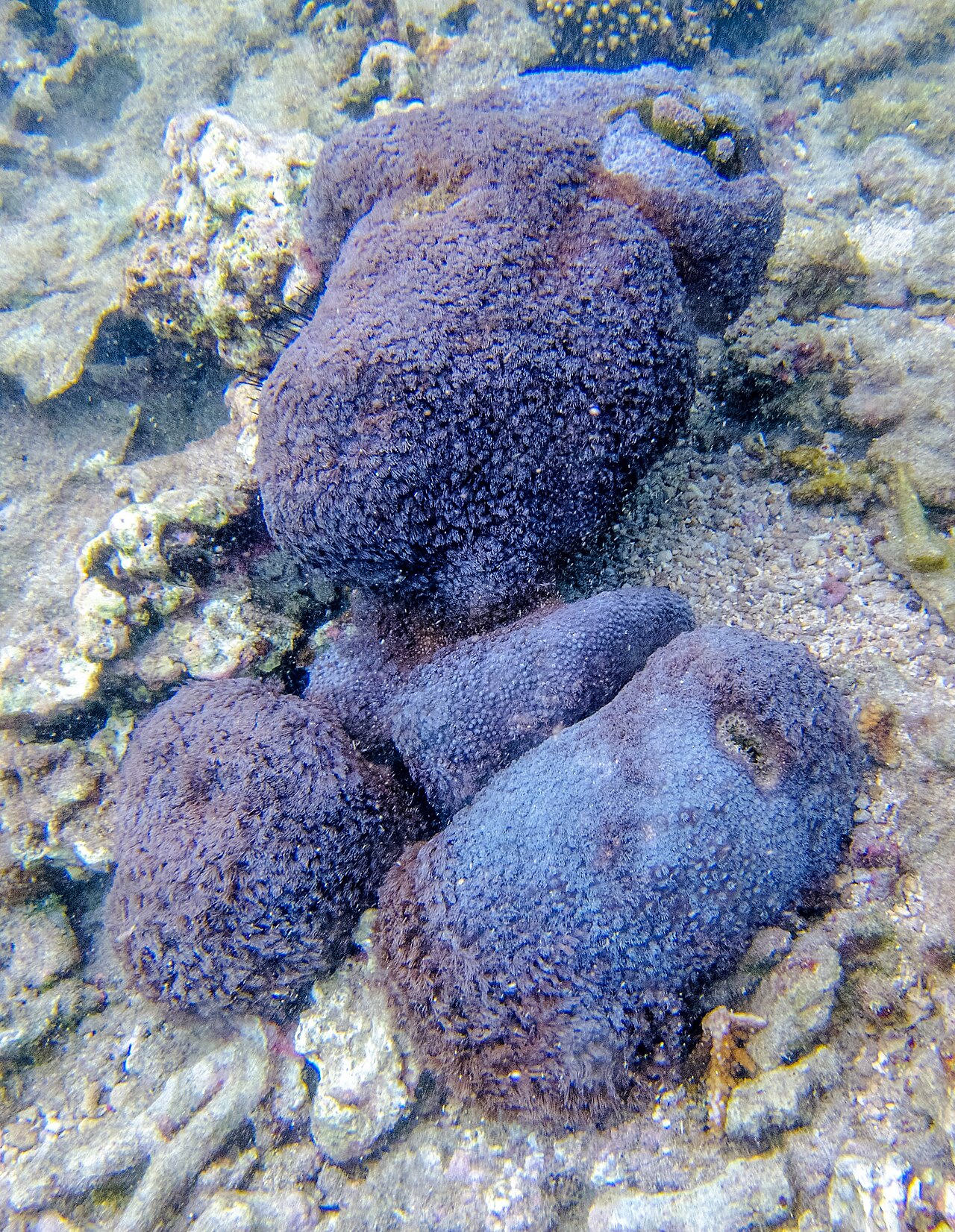
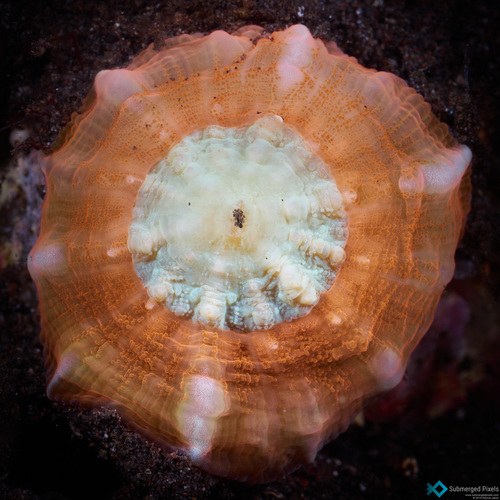
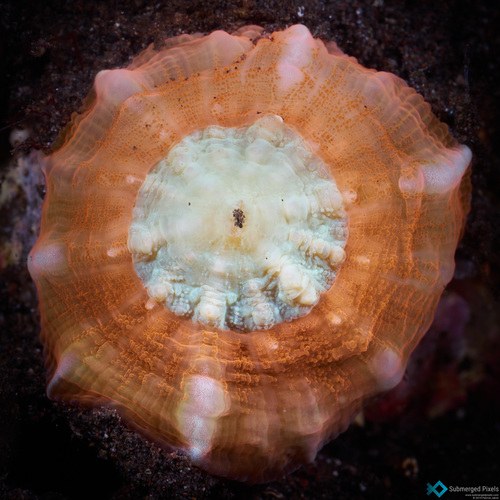
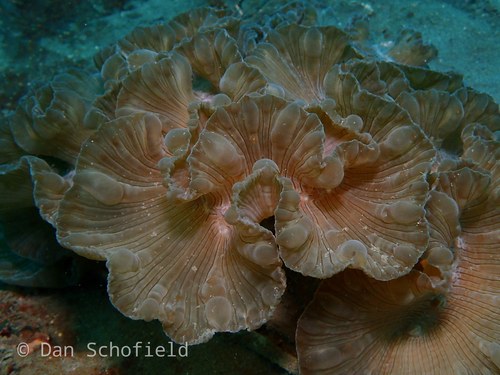
The Green Jewel Coral (Goniopora sp.) dazzles with its vibrant colors and intricate structure.
Pricing for Verified Importers
Log in to see wholesale prices and order.
Export Size
up to 30.0 cm
Origin
Coral Triangle
Temperature
24.0–28.0°C
Min. Tank Size
200 L
Salinity
1.023–1.025 ppt
pH
8.10–8.40
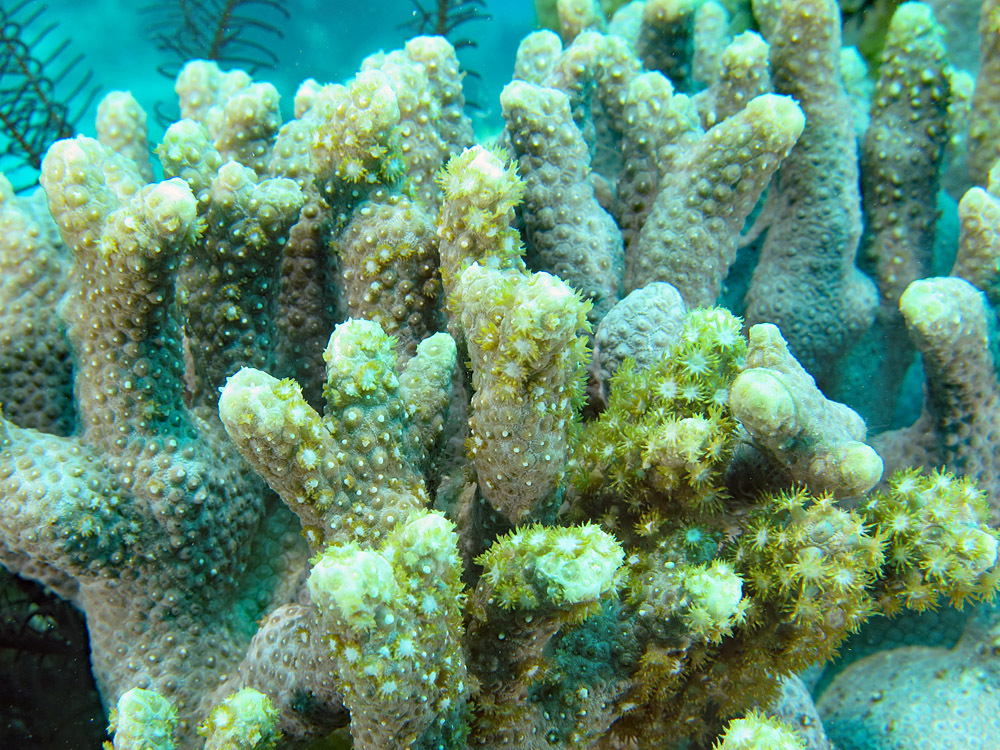
The Green Jewel Coral, scientifically known as Goniopora sp., is a stunning species of colonial coral that thrives in the warm waters of the Coral Triangle. Characterized by its vibrant green coloration, this coral forms large, intricate colonies that can reach impressive sizes. Its polyps extend during the day, creating a mesmerizing display that captivates both aquarists and marine enthusiasts alike. The unique structure and coloration make it a desirable addition to many reef aquariums.
In its natural habitat, the Green Jewel Coral is typically found in shallow waters, often on reef slopes and in lagoons where light penetration is optimal. Goniopora species are known for their delicate and sensitive nature, requiring specific environmental conditions to flourish. They are often seen in areas with moderate water flow, which helps to keep their polyps expanded and healthy. The symbiotic relationship with zooxanthellae allows them to utilize sunlight for energy, further enhancing their vibrant colors.
Behaviorally, the Green Jewel Coral is known for its active feeding habits. It captures plankton and organic debris from the water column, supplementing its nutrient intake alongside photosynthesis. The coral's polyp extension can be observed during feeding times, showcasing their unique adaptation to maximize energy acquisition. Goniopora corals are also known for their defensive behaviors, displaying aggression towards neighboring corals through the release of mesenterial filaments to compete for space and resources.
Overall, the Green Jewel Coral adds not only beauty but also ecological importance to reef systems. Its importance in supporting diverse marine life and contributions to reef building make it a crucial species in maintaining the health of coral ecosystems.
In its natural habitat, the Green Jewel Coral is typically found in shallow waters, often on reef slopes and in lagoons where light penetration is optimal. Goniopora species are known for their delicate and sensitive nature, requiring specific environmental conditions to flourish. They are often seen in areas with moderate water flow, which helps to keep their polyps expanded and healthy. The symbiotic relationship with zooxanthellae allows them to utilize sunlight for energy, further enhancing their vibrant colors.
Behaviorally, the Green Jewel Coral is known for its active feeding habits. It captures plankton and organic debris from the water column, supplementing its nutrient intake alongside photosynthesis. The coral's polyp extension can be observed during feeding times, showcasing their unique adaptation to maximize energy acquisition. Goniopora corals are also known for their defensive behaviors, displaying aggression towards neighboring corals through the release of mesenterial filaments to compete for space and resources.
Overall, the Green Jewel Coral adds not only beauty but also ecological importance to reef systems. Its importance in supporting diverse marine life and contributions to reef building make it a crucial species in maintaining the health of coral ecosystems.
For successful cultivation of the Green Jewel Coral, maintaining optimal water parameters is essential. Ideal temperature ranges from 24°C to 28°C, with a salinity of 1.023 to 1.025 ppt. The pH should be maintained between 8.1 and 8.4. This coral species thrives in well-lit environments, making strong lighting necessary to promote healthy growth and vibrant coloration. It is advisable to provide moderate water flow to help keep the polyps extended and facilitate feeding.
Feeding the Green Jewel Coral involves a combination of light and supplementary feeding. Regularly provide small quantities of zooplankton, phytoplankton, or specialized coral foods to ensure adequate nutrition. They can also benefit from the presence of zooxanthellae, so maintaining proper lighting is crucial. Compatibility with other species is generally good, but care should be taken to place them away from aggressive corals to prevent territorial disputes.
Acclimation should be done gradually, allowing the coral to adjust to new water conditions. A quarantine period of at least two weeks is recommended to monitor for pests or diseases before introducing the coral to the main display tank. Regular water quality testing and maintenance will help keep the coral healthy and thriving in an aquarium setting.
Feeding the Green Jewel Coral involves a combination of light and supplementary feeding. Regularly provide small quantities of zooplankton, phytoplankton, or specialized coral foods to ensure adequate nutrition. They can also benefit from the presence of zooxanthellae, so maintaining proper lighting is crucial. Compatibility with other species is generally good, but care should be taken to place them away from aggressive corals to prevent territorial disputes.
Acclimation should be done gradually, allowing the coral to adjust to new water conditions. A quarantine period of at least two weeks is recommended to monitor for pests or diseases before introducing the coral to the main display tank. Regular water quality testing and maintenance will help keep the coral healthy and thriving in an aquarium setting.
The Green Jewel Coral is suitable for shipping due to its resilience; however, care must be taken to ensure proper packing. It is advisable to use insulated boxes with adequate cushioning to prevent damage during transport. Maintain a stable temperature between 24°C and 28°C during shipping to minimize stress. As a CITES-listed species, ensure compliance with all export regulations to facilitate smooth international trade.
Species Parameters
Max Adult Size
30.0 cm
Origin
Coral Triangle
Temp Min
24.0 °C
Temp Max
28.0 °C
Salinity Min
1.023
Salinity Max
1.025
pH Min
8.10
pH Max
8.40
Min Tank
200 L