CITES App. II
Green Lemon Coral
Goniopora sp.
In Stock
Common stock
Maricultured
Experienced care
Reef Safe ✓
SKU: CB-HC-0084
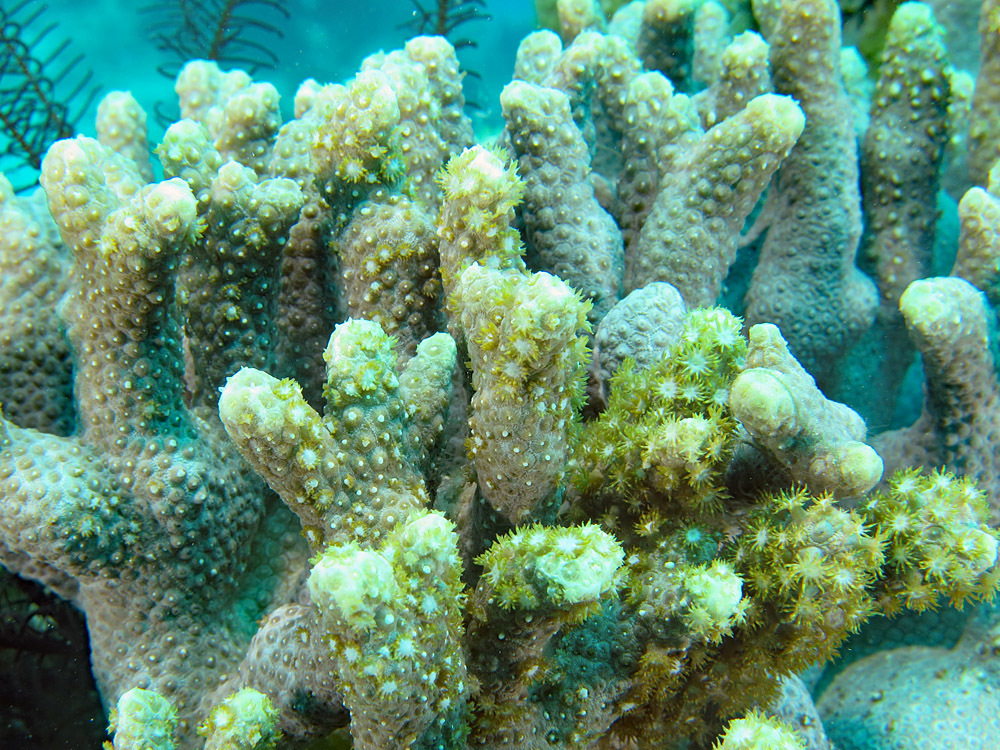
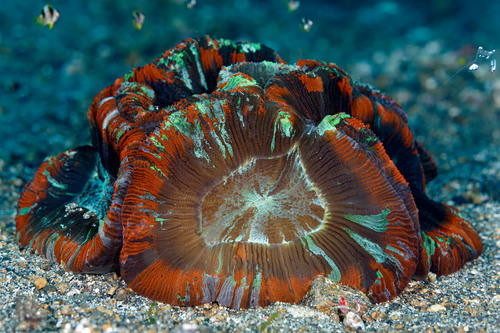
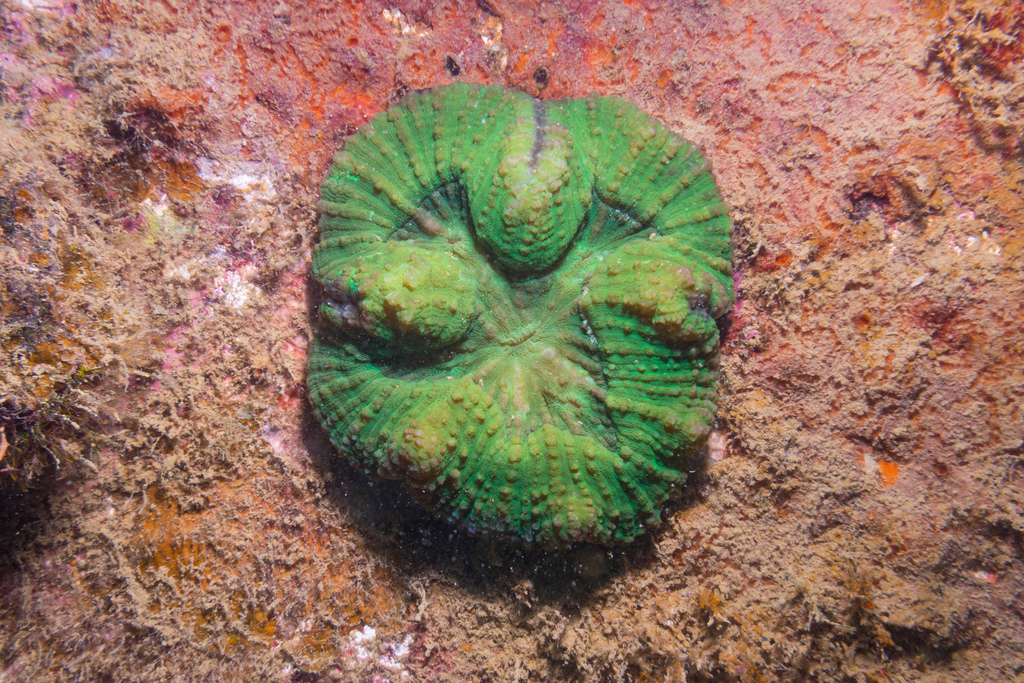
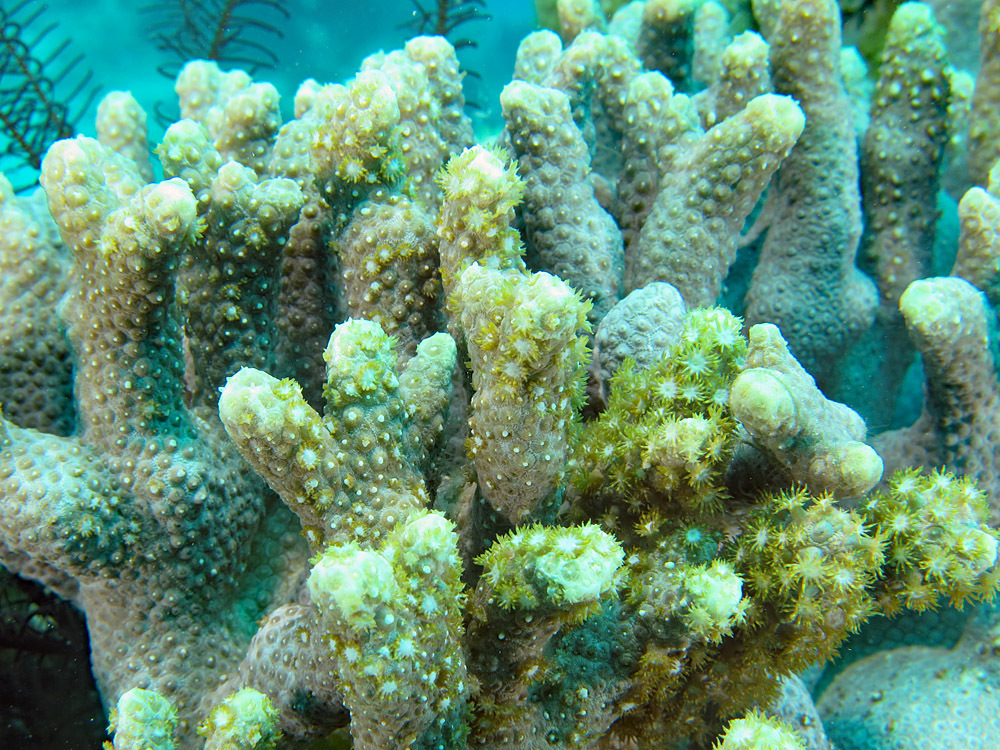
The Green Lemon Coral (Goniopora sp.) showcases vibrant colors and unique forms, making it a stunning addition to any reef aquarium.
Pricing for Verified Importers
Log in to see wholesale prices and order.
Origin
Indo-Pacific
Temperature
24.0–28.0°C
Min. Tank Size
100 L
Salinity
1.023–1.025 ppt
pH
8.10–8.40
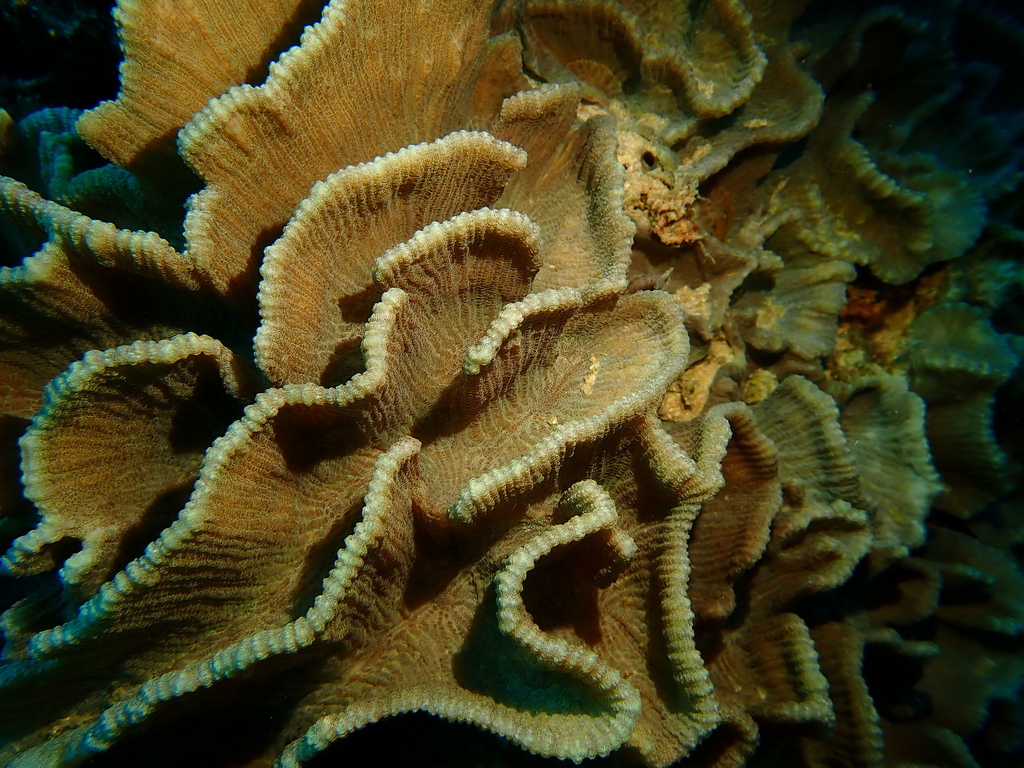
The Green Lemon Coral, scientifically known as Goniopora sp., is a captivating species that belongs to the family Poritidae. This coral is known for its striking green coloration, resembling the zest of a lemon, which sets it apart in the diverse world of marine corals. Goniopora corals are colonial, forming large, bushy structures that provide a habitat for various marine organisms and contribute to the overall biodiversity of reef ecosystems.
In the wild, Green Lemon Corals inhabit shallow, warm waters of the Indo-Pacific region, primarily in areas with strong water movement. They thrive in environments rich in nutrients and sunlight, which are essential for their growth and health. These corals exhibit a unique feeding strategy, utilizing both photosynthesis through symbiotic zooxanthellae and filter feeding to capture plankton and particulate matter from the water column.
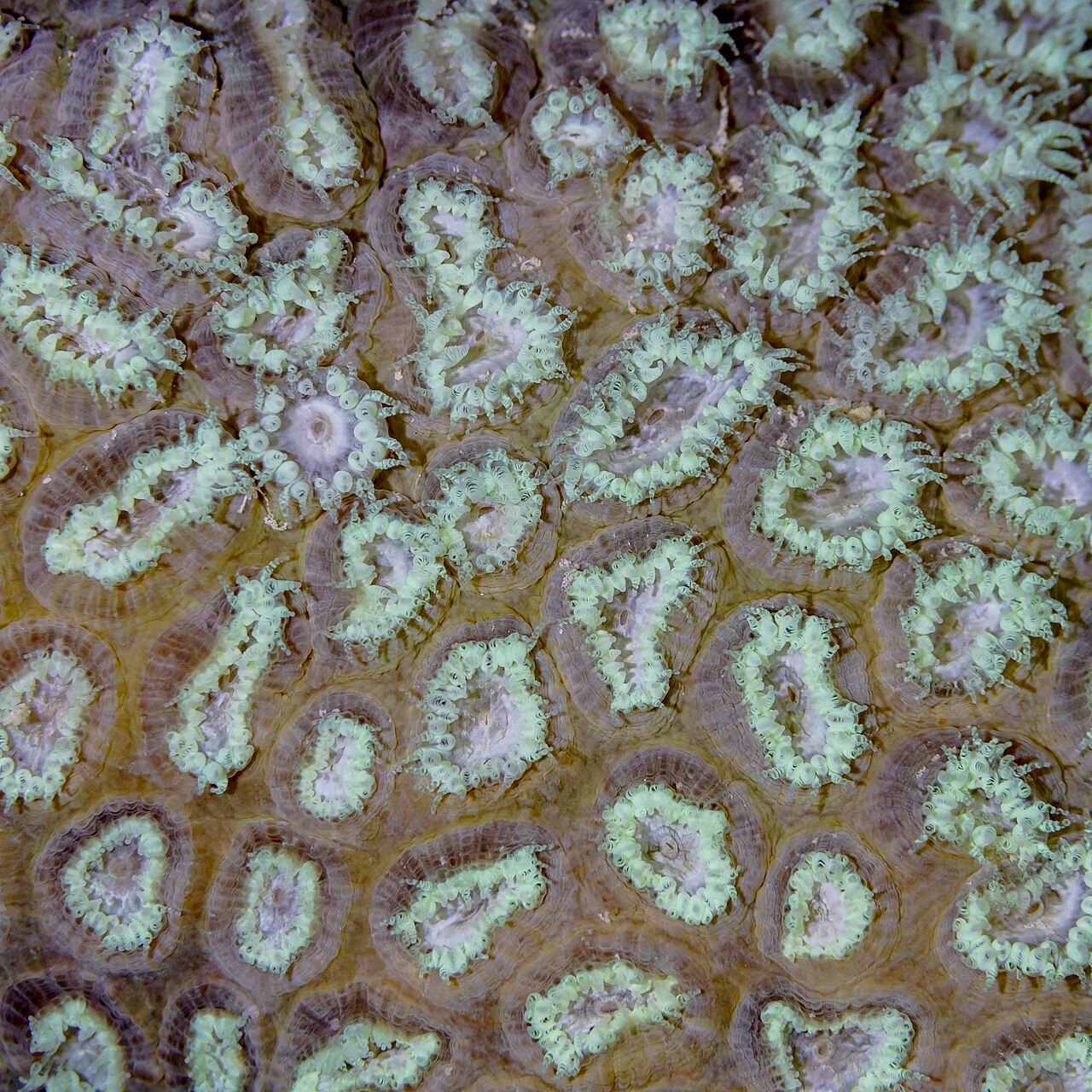
The appearance of Goniopora sp. is characterized by its thick, fleshy polyps that can extend to capture food and light. The polyps are typically green in color, complemented by a yellowish hue, creating a visually striking display in aquariums. Their bushy growth form can vary, with some specimens developing long, sweeping branches, while others may appear more compact and rounded.
Behaviorally, Green Lemon Corals are generally peaceful occupants of reef tanks. They can interact with neighboring corals through their feeding tentacles, but they typically do not exhibit aggressive behaviors. However, care should be taken to provide adequate space between corals to prevent any potential competition for resources.
For successful cultivation of Green Lemon Coral, it is crucial to maintain optimal water parameters. A temperature range of 24-28°C (75-82°F) is ideal, along with a salinity of 1.023-1.025 ppt. The pH should be maintained between 8.1 and 8.4 for optimal health. Regular water changes and filtration are essential to keep nitrate and phosphate levels low.
Feeding Goniopora sp. can be done with a combination of high-quality coral foods, including zooplankton, phytoplankton, and specialized coral pellets. Although these corals can photosynthesize, supplemental feeding encourages robust growth and vibrant coloration. It's important to provide moderate water flow to ensure the coral's polyps are well-fed and receive adequate light.
When introducing Green Lemon Coral into a new aquarium, acclimation is vital. Gradually acclimate the coral to the tank's conditions over several hours. Quarantine new specimens for at least two weeks to prevent the introduction of pests and diseases into your main display. Goniopora sp. generally coexists well with other reef-safe species but may require careful placement to avoid shading from larger corals.
In terms of tank size, a minimum of 100 liters is recommended to provide ample space and stable water conditions for this species. Regular monitoring and maintenance will help ensure the long-term health of Green Lemon Coral in your aquarium.
Green Lemon Coral is suitable for shipping, but care must be taken to maintain stable temperatures during transit. Packing density should be moderate to prevent physical damage. This coral is sensitive to temperature fluctuations, so it should be kept between 20-25°C (68-77°F) during shipping. Currently, Goniopora sp. is not listed under CITES, but it is essential to ensure compliance with local regulations regarding coral export.
Species Parameters
Origin
Indo-Pacific
Temp Min
24.0 °C
Temp Max
28.0 °C
Salinity Min
1.023
Salinity Max
1.025
pH Min
8.10
pH Max
8.40
Min Tank
100 L