CITES App. II
Green Modern Coral
Cynarina lacrymalis
In Stock
Common stock
Maricultured
Experienced care
Reef Safe ✓
SKU: CB-HC-0032
The Green Modern Coral is a stunning centerpiece for any reef aquarium.
Pricing for Verified Importers
Log in to see wholesale prices and order.
Export Size
up to 30.0 cm
Origin
Indo-Pacific
Temperature
24.0–28.0°C
Min. Tank Size
200 L
Salinity
1.023–1.025 ppt
pH
8.10–8.40
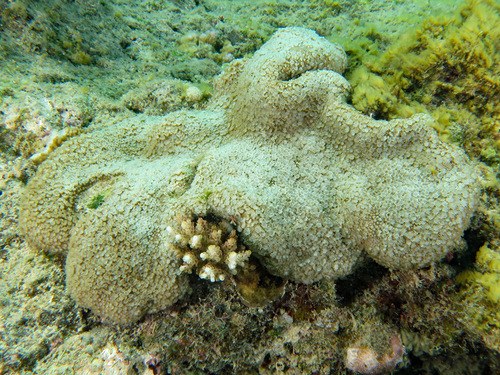
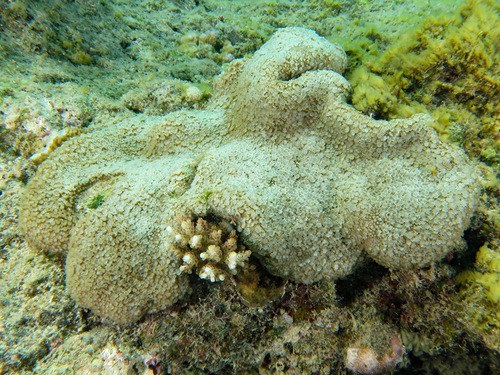
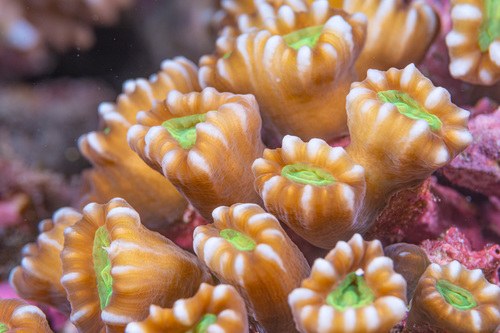
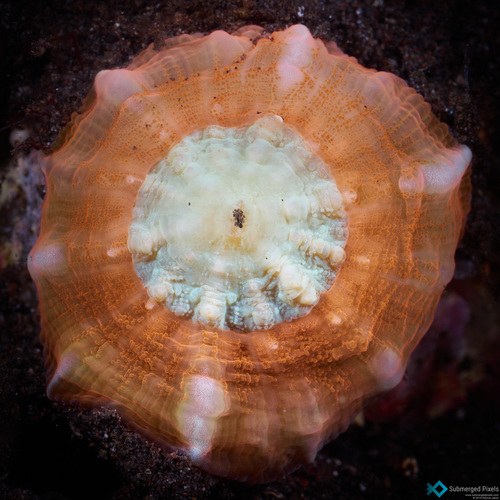
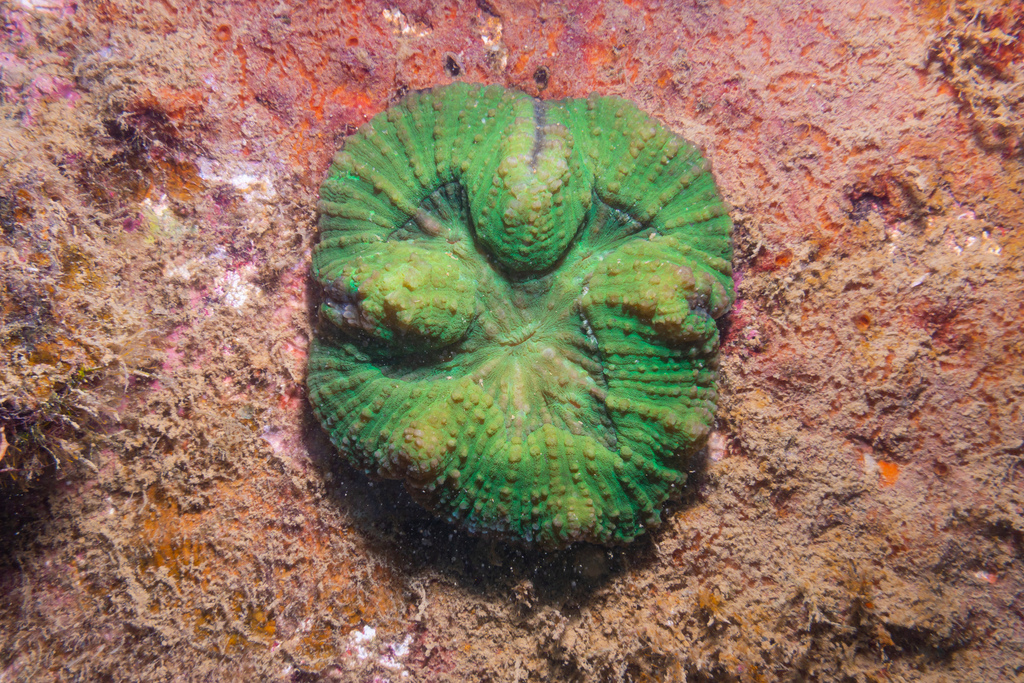
Cynarina lacrymalis, commonly known as the Green Modern Coral, is a captivating species of stony coral belonging to the Lobophylliidae family. Found predominantly in the western Indo-Pacific Ocean, this coral has earned various nicknames such as flat cup coral, solitary cup coral, and doughnut coral due to its distinct shape and coloration. Its vibrant green hues, along with the unique structure, make it a favorite among aquarium enthusiasts and collectors alike.
This coral is characterized by its solitary growth form, which resembles a flat dish or cup. The fleshy tissue of the Green Modern Coral can be quite expansive, often extending several inches in diameter. Its surface is adorned with small, intricate polyps that emerge during the night, feeding on zooplankton and other microorganisms. The coral's ability to adapt to varying light conditions allows it to thrive in different aquatic environments, making it a resilient choice for reef aquaria.
In its natural habitat, Cynarina lacrymalis inhabits shallow reefs where it can receive ample sunlight while also benefiting from the nutrient-rich waters. It often resides in areas with moderate water movement, which helps to bring food particles closer to its feeding polyps. The coral's symbiotic relationship with zooxanthellae, microscopic algae that live within its tissues, provides it with additional energy through photosynthesis, further enhancing its growth and coloration.
The Green Modern Coral is not just visually stunning; it also plays an important role in the reef ecosystem. By providing habitat and shelter for various marine species, this coral contributes to the overall health and biodiversity of its environment. As such, it is a valuable addition to both marine ecosystems and aquarium collections, appealing to both hobbyists and professionals in the aquatic trade.
This coral is characterized by its solitary growth form, which resembles a flat dish or cup. The fleshy tissue of the Green Modern Coral can be quite expansive, often extending several inches in diameter. Its surface is adorned with small, intricate polyps that emerge during the night, feeding on zooplankton and other microorganisms. The coral's ability to adapt to varying light conditions allows it to thrive in different aquatic environments, making it a resilient choice for reef aquaria.
In its natural habitat, Cynarina lacrymalis inhabits shallow reefs where it can receive ample sunlight while also benefiting from the nutrient-rich waters. It often resides in areas with moderate water movement, which helps to bring food particles closer to its feeding polyps. The coral's symbiotic relationship with zooxanthellae, microscopic algae that live within its tissues, provides it with additional energy through photosynthesis, further enhancing its growth and coloration.
The Green Modern Coral is not just visually stunning; it also plays an important role in the reef ecosystem. By providing habitat and shelter for various marine species, this coral contributes to the overall health and biodiversity of its environment. As such, it is a valuable addition to both marine ecosystems and aquarium collections, appealing to both hobbyists and professionals in the aquatic trade.
When caring for the Green Modern Coral, maintaining stable water parameters is crucial for its health and vitality. Ideal temperature ranges from 24°C to 28°C, with a salinity of 1.023 to 1.025 ppt. The pH should be kept between 8.1 and 8.4 to ensure optimal conditions. Providing strong lighting is essential, as this coral benefits from the symbiotic relationship with zooxanthellae, which requires adequate light for photosynthesis.
Feeding should be conducted regularly, particularly during the evening when the polyps are extended. Offer a mix of high-quality coral food, zooplankton, or other small, nutrient-rich particles to support its dietary needs. Compatibility with other reef inhabitants is generally good, but care should be taken to avoid aggressive species that may harm the coral.
Acclimation is vital when introducing the Green Modern Coral to a new environment. Gradually acclimate the coral by floating the sealed bag in the aquarium for 15-20 minutes, followed by slowly mixing tank water into the bag over another 30 minutes. Quarantine is recommended for new arrivals to prevent the spread of potential diseases and parasites, ensuring a healthy start in the display tank.
Feeding should be conducted regularly, particularly during the evening when the polyps are extended. Offer a mix of high-quality coral food, zooplankton, or other small, nutrient-rich particles to support its dietary needs. Compatibility with other reef inhabitants is generally good, but care should be taken to avoid aggressive species that may harm the coral.
Acclimation is vital when introducing the Green Modern Coral to a new environment. Gradually acclimate the coral by floating the sealed bag in the aquarium for 15-20 minutes, followed by slowly mixing tank water into the bag over another 30 minutes. Quarantine is recommended for new arrivals to prevent the spread of potential diseases and parasites, ensuring a healthy start in the display tank.
The Green Modern Coral is suitable for shipping, provided it is packed securely to minimize movement and stress. Use insulated containers with appropriate cushioning materials to maintain stable temperatures during transit. Ideal shipping temperatures should remain between 24°C and 28°C. It is important to note that this species is not listed under CITES, making it easier to transport for export and wholesale purposes.
Species Parameters
Max Adult Size
30.0 cm
Origin
Indo-Pacific
Temp Min
24.0 °C
Temp Max
28.0 °C
Salinity Min
1.023
Salinity Max
1.025
pH Min
8.10
pH Max
8.40
Min Tank
200 L