CITES App. II
Line Tongue Coral
Herpolitha limax
In Stock
Common stock
Maricultured
Experienced care
Reef Safe ✓
SKU: CB-HC-0095
The Line Tongue Coral is a unique free-living coral, perfect for vibrant reef displays.
Pricing for Verified Importers
Log in to see wholesale prices and order.
Export Size
up to 30.0 cm
Origin
Indo-Pacific
Temperature
24.0–28.0°C
Min. Tank Size
100 L
Salinity
32.000–35.000 ppt
pH
8.10–8.40
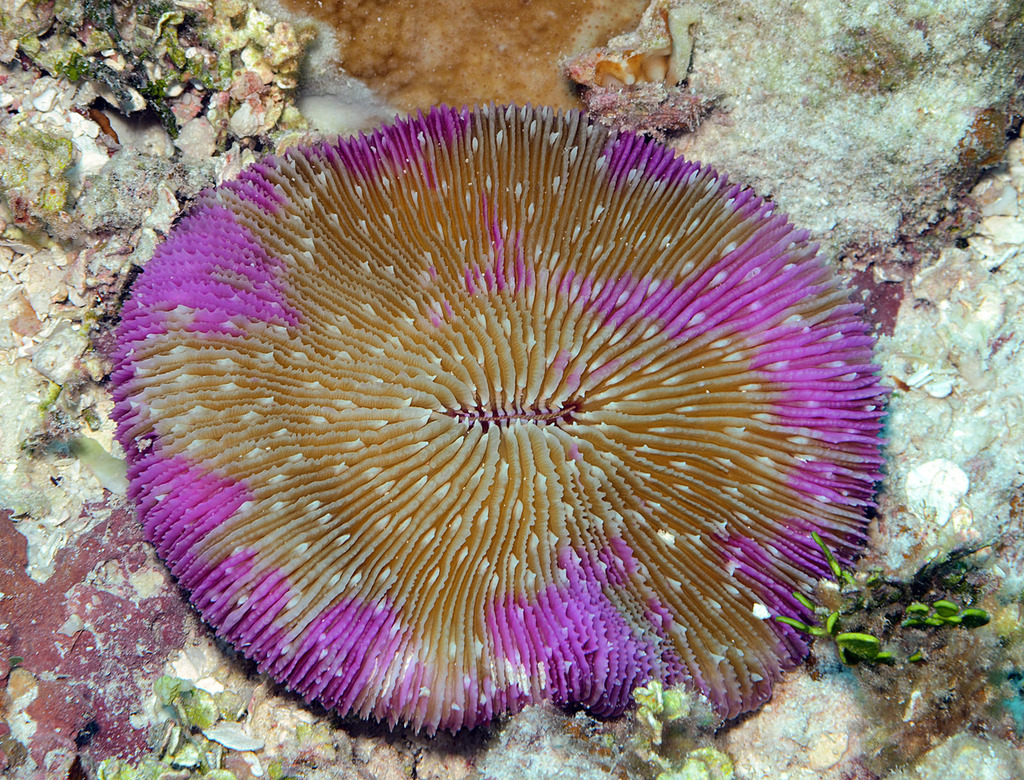
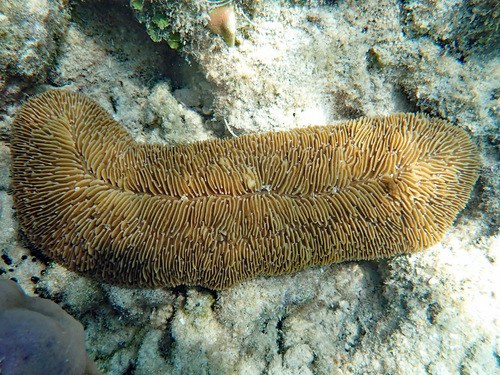
Herpolitha limax, commonly known as the Line Tongue Coral, is a distinctive species of mushroom coral that stands out due to its unique tongue-shaped morphology. This coral is part of the family Fungiidae and is native to the diverse reefs and lagoons of the Indo-Pacific region. As a free-living coral, it does not attach itself to the substrate, allowing it to move slightly with water currents, which aids in its survival and feeding. The coral often displays shades of brown, green, and cream, with a smooth, glossy surface that adds to its appeal in marine aquariums.
In terms of natural history, Line Tongue Coral thrives in shallow waters, typically found at depths of up to 30 meters. It prefers well-lit areas, where it can benefit from both the light for photosynthesis and the nutrient-rich waters. This species has adapted to various environmental conditions, making it resilient yet sensitive to drastic changes, particularly in water quality. Its unique morphology allows it to capture plankton and organic matter from the water column, supplementing its nutritional needs alongside photosynthesis.
Behaviorally, Line Tongue Coral is known for its relatively peaceful nature. It does not exhibit aggressive behaviors towards other corals, making it suitable for community reef tanks. Its growth pattern is typically encrusting, with the coral expanding outward to create a beautiful display. The coral's ability to form mutualistic relationships with zooxanthellae algae means it thrives in well-maintained aquariums with stable conditions.
Line Tongue Coral's habitat is not only crucial for its survival but also contributes to the overall health of reef ecosystems. By providing shelter and food for various marine organisms, it plays a vital role in maintaining biodiversity. Its status as
In terms of natural history, Line Tongue Coral thrives in shallow waters, typically found at depths of up to 30 meters. It prefers well-lit areas, where it can benefit from both the light for photosynthesis and the nutrient-rich waters. This species has adapted to various environmental conditions, making it resilient yet sensitive to drastic changes, particularly in water quality. Its unique morphology allows it to capture plankton and organic matter from the water column, supplementing its nutritional needs alongside photosynthesis.
Behaviorally, Line Tongue Coral is known for its relatively peaceful nature. It does not exhibit aggressive behaviors towards other corals, making it suitable for community reef tanks. Its growth pattern is typically encrusting, with the coral expanding outward to create a beautiful display. The coral's ability to form mutualistic relationships with zooxanthellae algae means it thrives in well-maintained aquariums with stable conditions.
Line Tongue Coral's habitat is not only crucial for its survival but also contributes to the overall health of reef ecosystems. By providing shelter and food for various marine organisms, it plays a vital role in maintaining biodiversity. Its status as
To successfully care for Herpolitha limax, maintaining appropriate water parameters is essential. Ideal temperature ranges are between 24°C to 28°C, with a pH level between 8.1 and 8.4. Salinity should be kept within 32-35 ppt for optimal health. Regular water changes and the use of high-quality filtration systems are recommended to ensure water quality remains high, as this species is sensitive to fluctuations.
Feeding Line Tongue Coral involves providing a balanced diet that includes both photosynthetic light and supplemental feeding of phytoplankton or finely chopped seafood. This dual approach helps maintain health and vibrant coloration. Compatibility with other corals and marine life is generally favorable due to its non-aggressive nature, but care should be taken to avoid placing it too close to more aggressive corals that may overshadow it or compete for resources.
When acclimating to a new environment, it is important to do so gradually. A drip acclimation method over several hours is advisable to reduce stress. Quarantine is also recommended before introducing it to a display tank, ensuring it is free from pests or diseases that could affect the overall tank ecosystem. Regular monitoring of coral health is crucial, as it may show signs of stress if conditions are not ideal.
Feeding Line Tongue Coral involves providing a balanced diet that includes both photosynthetic light and supplemental feeding of phytoplankton or finely chopped seafood. This dual approach helps maintain health and vibrant coloration. Compatibility with other corals and marine life is generally favorable due to its non-aggressive nature, but care should be taken to avoid placing it too close to more aggressive corals that may overshadow it or compete for resources.
When acclimating to a new environment, it is important to do so gradually. A drip acclimation method over several hours is advisable to reduce stress. Quarantine is also recommended before introducing it to a display tank, ensuring it is free from pests or diseases that could affect the overall tank ecosystem. Regular monitoring of coral health is crucial, as it may show signs of stress if conditions are not ideal.
Herpolitha limax is suitable for shipping via air freight due to its resilience. When packing, ensure adequate water circulation and cushioning to prevent damage. The ideal temperature during transit should be maintained between 24°C to 28°C. As a species not listed under CITES, there are no export restrictions, but compliance with local regulations is essential.
Species Parameters
Max Adult Size
30.0 cm
Origin
Indo-Pacific
Temp Min
24.0 °C
Temp Max
28.0 °C
Salinity Min
32.000
Salinity Max
35.000
pH Min
8.10
pH Max
8.40
Min Tank
100 L