CITES App. II
Purple Plate Coral
Fungia spp.
In Stock
Common stock
Maricultured
Experienced care
Reef Safe ✓
SKU: CB-HC-0063
Discover the vibrant beauty of the Purple Plate Coral, a unique gem of the reef.
Pricing for Verified Importers
Log in to see wholesale prices and order.
Export Size
up to 30.0 cm
Origin
Coral Triangle
Temperature
24.0–28.0°C
Min. Tank Size
100 L
Salinity
35.000–35.000 ppt
pH
8.10–8.40
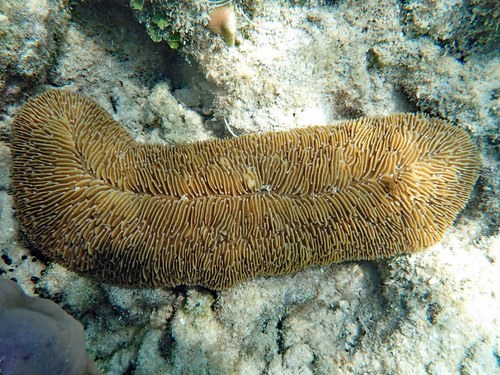
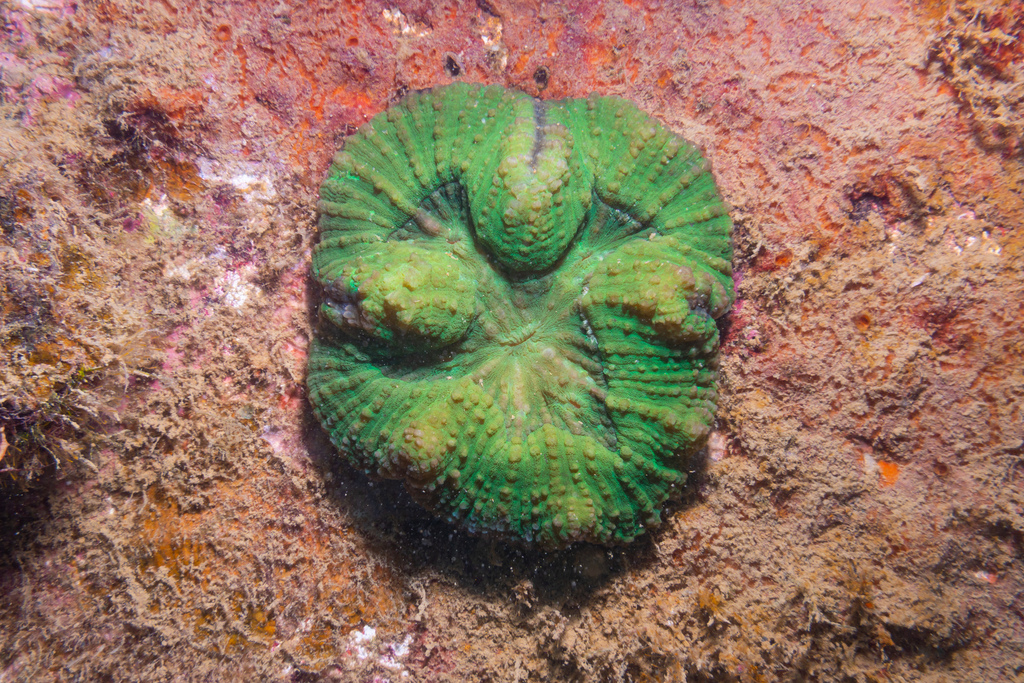
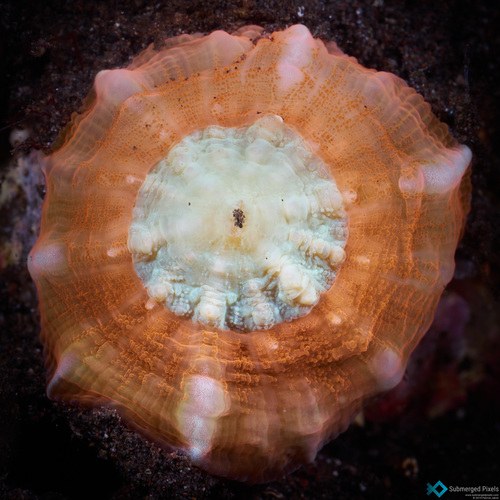
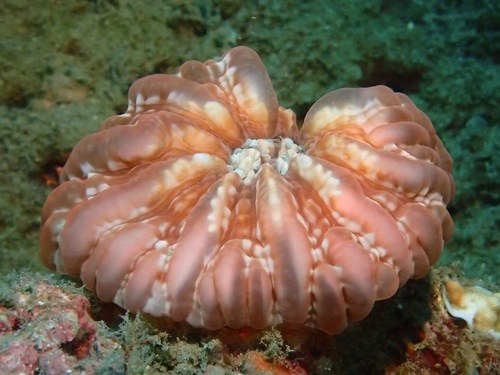
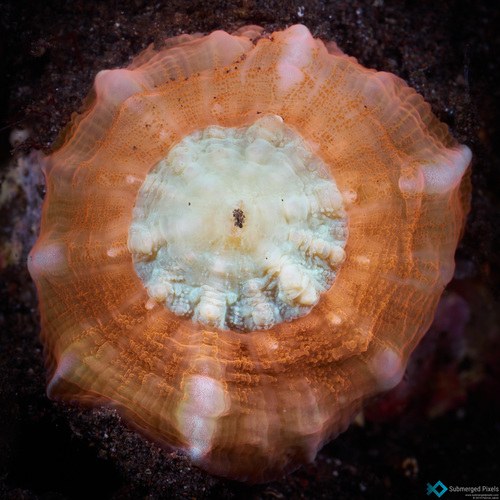
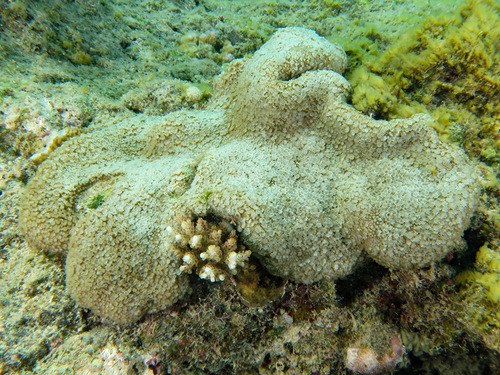
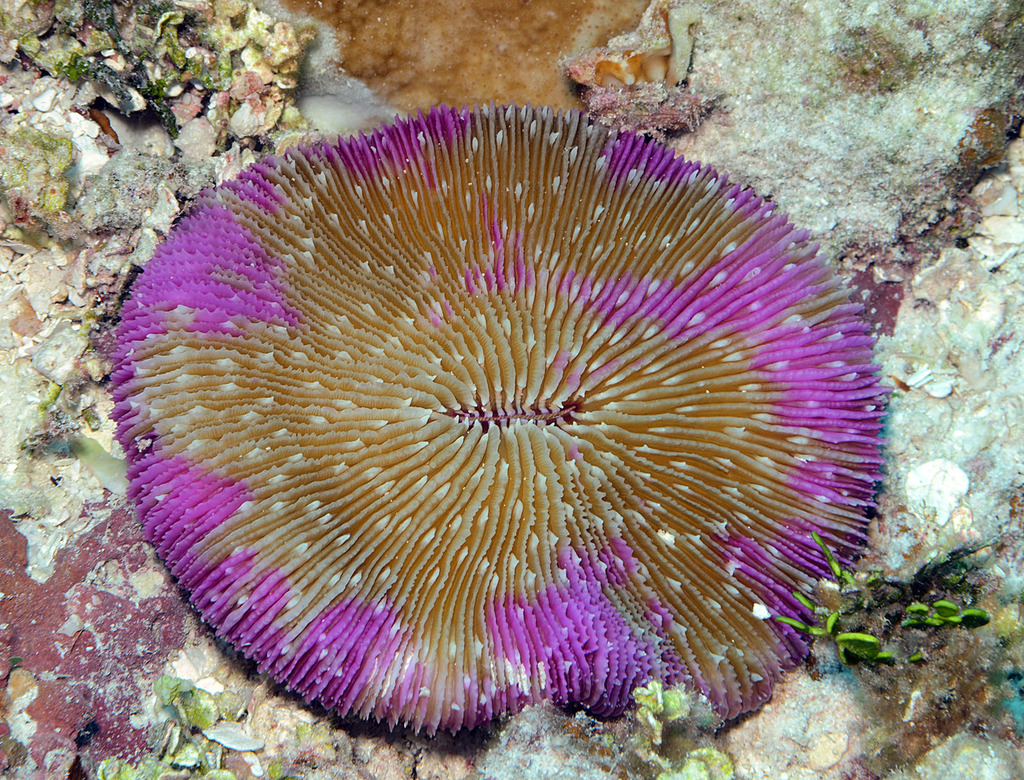
The Purple Plate Coral (Fungia spp.) is a stunning solitary coral species renowned for its vibrant purple coloration and unique plate-like structure. Unlike many other corals, it does not form colonies but instead grows as a single, disc-shaped polyp that can expand its diameter significantly. This adaptation allows it to occupy a variety of niches on the reef, making it a fascinating specimen for aquarists and a vital component of coral reef ecosystems.
In terms of appearance, the Purple Plate Coral features a smooth, flat surface with a rich purple hue, often displaying intricate patterns and textures that can vary among individual specimens. Its polyps extend during the night, revealing delicate tentacles adorned with tiny nematocysts to capture prey. During the day, the coral retracts its polyps, relying primarily on photosynthesis through symbiotic zooxanthellae to produce energy.
The natural habitat of the Purple Plate Coral includes shallow, warm waters typically found in the Coral Triangle region, where it thrives on sandy substrates and in areas with moderate water movement. This habitat supports its feeding behavior, as it captures plankton and organic matter, supplementing its energy needs in conjunction with photosynthesis.
Behaviorally, the Purple Plate Coral exhibits a degree of resilience and adaptability, enabling it to withstand varying environmental conditions. Its ability to adjust its feeding strategies and adapt to fluctuating light conditions makes it a robust species within the diverse marine ecosystem. This adaptability also contributes to its popularity among aquarium enthusiasts who appreciate both its aesthetic and ecological value.
In terms of appearance, the Purple Plate Coral features a smooth, flat surface with a rich purple hue, often displaying intricate patterns and textures that can vary among individual specimens. Its polyps extend during the night, revealing delicate tentacles adorned with tiny nematocysts to capture prey. During the day, the coral retracts its polyps, relying primarily on photosynthesis through symbiotic zooxanthellae to produce energy.
The natural habitat of the Purple Plate Coral includes shallow, warm waters typically found in the Coral Triangle region, where it thrives on sandy substrates and in areas with moderate water movement. This habitat supports its feeding behavior, as it captures plankton and organic matter, supplementing its energy needs in conjunction with photosynthesis.
Behaviorally, the Purple Plate Coral exhibits a degree of resilience and adaptability, enabling it to withstand varying environmental conditions. Its ability to adjust its feeding strategies and adapt to fluctuating light conditions makes it a robust species within the diverse marine ecosystem. This adaptability also contributes to its popularity among aquarium enthusiasts who appreciate both its aesthetic and ecological value.
To maintain optimal health for the Purple Plate Coral, water parameters should be closely monitored. Ideal temperature ranges from 24°C to 28°C, with a salinity level of 1.023 to 1.025 ppt. The pH should be maintained between 8.1 and 8.4 to ensure a stable environment. A minimum tank size of 100 liters is recommended to provide ample space for growth and stability.
Feeding the Purple Plate Coral involves a combination of providing quality liquid coral food and ensuring it receives adequate light for photosynthesis. Regular feeding every few days with plankton-based foods can enhance its growth and color vibrancy. Compatibility with other tank inhabitants is generally good, but care should be taken with aggressive species that may harm the coral.
Acclimation is crucial when introducing the Purple Plate Coral to a new system. A slow drip acclimation method over several hours is recommended to reduce stress. Quarantine should be considered to monitor for pests or diseases before introducing it to the display tank. Regular observation and maintenance of water quality will help sustain a thriving environment for this beautiful coral species.
Feeding the Purple Plate Coral involves a combination of providing quality liquid coral food and ensuring it receives adequate light for photosynthesis. Regular feeding every few days with plankton-based foods can enhance its growth and color vibrancy. Compatibility with other tank inhabitants is generally good, but care should be taken with aggressive species that may harm the coral.
Acclimation is crucial when introducing the Purple Plate Coral to a new system. A slow drip acclimation method over several hours is recommended to reduce stress. Quarantine should be considered to monitor for pests or diseases before introducing it to the display tank. Regular observation and maintenance of water quality will help sustain a thriving environment for this beautiful coral species.
The Purple Plate Coral is generally suitable for shipping, provided it is packed securely to prevent damage during transit. Recommended packing density is one coral per container to minimize stress. It is sensitive to temperature fluctuations; therefore, maintaining a stable temperature between 24°C and 28°C during shipping is essential. This species is not listed under CITES, simplifying export regulations.
Species Parameters
Max Adult Size
30.0 cm
Origin
Coral Triangle
Temp Min
24.0 °C
Temp Max
28.0 °C
Salinity Min
35.000
Salinity Max
35.000
pH Min
8.10
pH Max
8.40
Min Tank
100 L