CITES App. II
Red Lemon Coral Long polyps
Goniopora sp.
In Stock
Common stock
Maricultured
Experienced care
Reef Safe ✓
SKU: CB-HC-0079
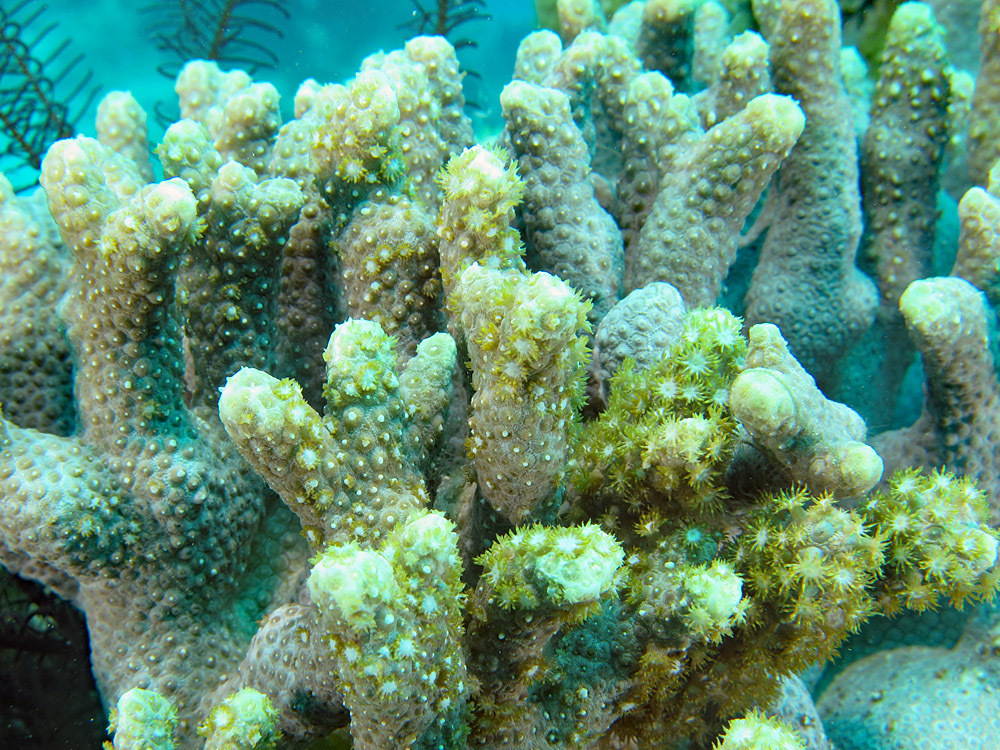
The Red Lemon Coral Long polyps (Goniopora sp.) showcases vibrant colors and unique long polyps, adding beauty to any aquarium.
Pricing for Verified Importers
Log in to see wholesale prices and order.
Origin
Coral Triangle
Temperature
24.0–28.0°C
Min. Tank Size
200 L
Salinity
1.020–1.025 ppt
pH
8.10–8.40
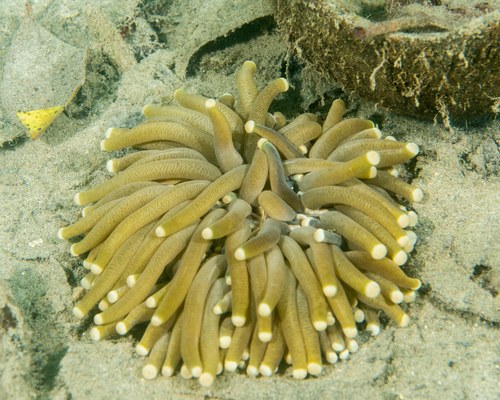
The Red Lemon Coral Long polyps, scientifically known as Goniopora sp., is a stunning coral species known for its striking appearance and intricate polyp structure. This coral's vibrant red and yellow hues create a captivating spectacle, making it a sought-after choice for reef aquarists. Goniopora corals are characterized by their long, flowing polyps that extend from a central base, creating a delicate, waving motion in the water current, which enhances their visual appeal in any marine setup.
In terms of natural history, Goniopora sp. thrives in shallow coastal waters of the Coral Triangle, where it benefits from strong light and good water movement. These corals are usually found in areas with moderate to high water flow, which supports their feeding and growth. They form colonies that can vary in size and shape, often resembling a bushy structure as the polyps expand during the day to capture nutrients from the water.
Behaviorally, this coral is known for its unique feeding mechanism. As a photosynthetic species, it relies heavily on sunlight to produce energy through zooxanthellae, a symbiotic algae that lives within its tissues. However, it also benefits from additional feeding through the capture of plankton and other small particles in the water column, making it a dual feeder. Goniopora corals are generally peaceful and can coexist with other corals and marine life, provided they are given adequate space.
For optimal health, the Red Lemon Coral Long polyps prefer stable environmental conditions, including consistent water temperature and chemistry. They contribute significantly to the overall biodiversity of reef ecosystems, providing habitat and food for various marine organisms, which makes them an essential component in both natural and artificial reef settings.
In terms of natural history, Goniopora sp. thrives in shallow coastal waters of the Coral Triangle, where it benefits from strong light and good water movement. These corals are usually found in areas with moderate to high water flow, which supports their feeding and growth. They form colonies that can vary in size and shape, often resembling a bushy structure as the polyps expand during the day to capture nutrients from the water.
Behaviorally, this coral is known for its unique feeding mechanism. As a photosynthetic species, it relies heavily on sunlight to produce energy through zooxanthellae, a symbiotic algae that lives within its tissues. However, it also benefits from additional feeding through the capture of plankton and other small particles in the water column, making it a dual feeder. Goniopora corals are generally peaceful and can coexist with other corals and marine life, provided they are given adequate space.
For optimal health, the Red Lemon Coral Long polyps prefer stable environmental conditions, including consistent water temperature and chemistry. They contribute significantly to the overall biodiversity of reef ecosystems, providing habitat and food for various marine organisms, which makes them an essential component in both natural and artificial reef settings.
When caring for Red Lemon Coral Long polyps, maintaining suitable water parameters is critical. The ideal temperature range is between 24°C to 28°C, with a salinity of 1.020 to 1.025 ppt. pH levels should be kept between 8.1 and 8.4 to ensure optimal health. It's important to acclimate them slowly to new environments to reduce stress, ideally over a period of several hours. A quarantine period of at least two weeks is recommended to monitor for pests and diseases before introducing them into the main aquarium.
Feeding these corals involves providing both light and supplemental food. They thrive with moderate to strong lighting and should be fed microplankton or coral-specific foods a few times a week to enhance their growth and color vibrancy. In terms of compatibility, Goniopora corals are generally peaceful and can share space with a variety of other corals and fish, but care should be taken to avoid aggressive species that may harm them.
Regular monitoring of water quality and maintenance of good filtration will help support their health and longevity. A well-established reef tank with stable conditions is ideal for these corals, ensuring they flourish in a home aquarium environment.
Feeding these corals involves providing both light and supplemental food. They thrive with moderate to strong lighting and should be fed microplankton or coral-specific foods a few times a week to enhance their growth and color vibrancy. In terms of compatibility, Goniopora corals are generally peaceful and can share space with a variety of other corals and fish, but care should be taken to avoid aggressive species that may harm them.
Regular monitoring of water quality and maintenance of good filtration will help support their health and longevity. A well-established reef tank with stable conditions is ideal for these corals, ensuring they flourish in a home aquarium environment.
The Red Lemon Coral Long polyps are suitable for shipping via standard methods used for marine corals. They should be packed securely to minimize movement during transit, preferably in breathable bags with ample water to prevent stress. Temperature sensitivity is moderate, so maintaining a stable temperature between 24°C to 28°C during shipping is crucial. As Goniopora sp. is not listed under CITES, there are no specific export restrictions, making them readily available for wholesale.
Species Parameters
Origin
Coral Triangle
Temp Min
24.0 °C
Temp Max
28.0 °C
Salinity Min
1.020
Salinity Max
1.025
pH Min
8.10
pH Max
8.40
Min Tank
200 L