CITES App. II
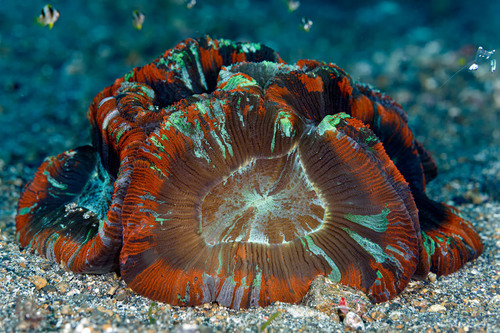
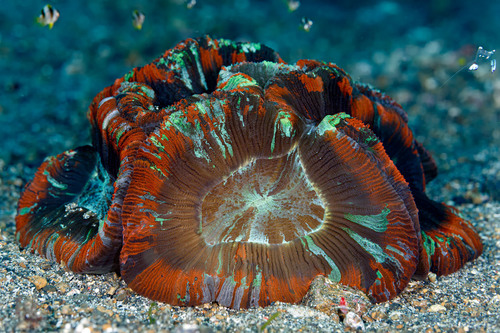
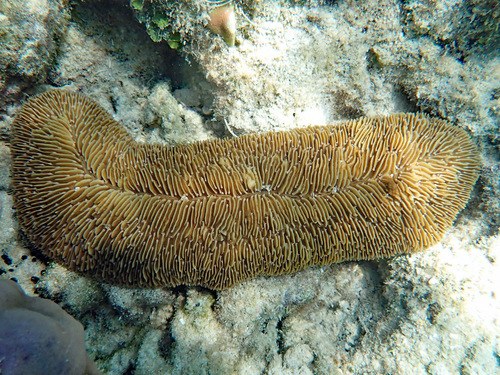
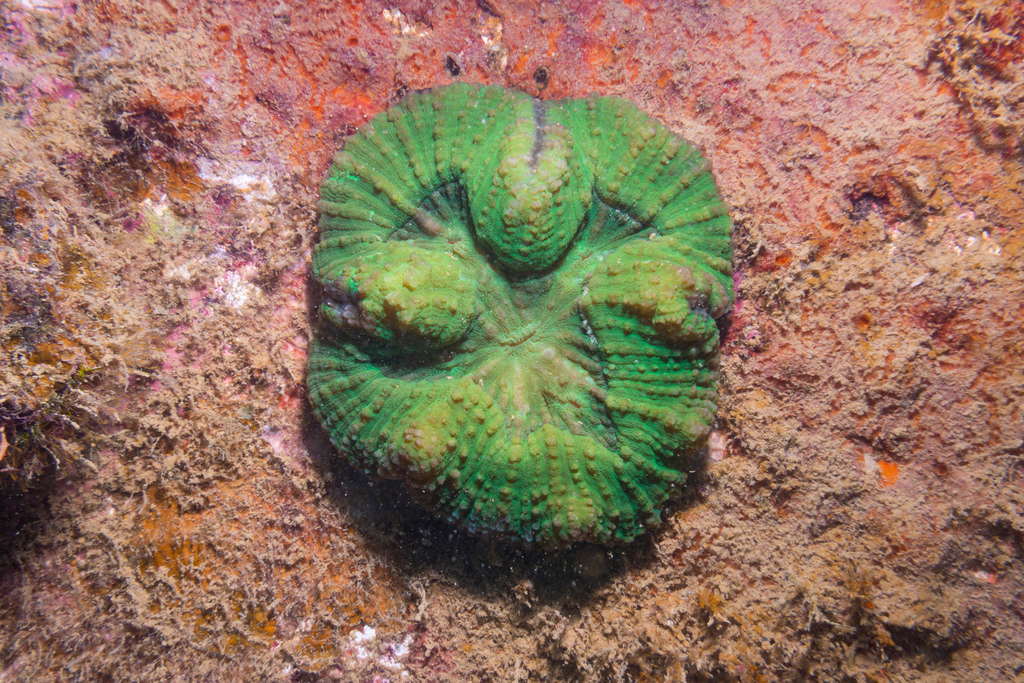
Red/Orange Meat Coral
Lobophyllia sp.
In Stock
Common stock
Maricultured
Experienced care
Reef Safe ✓
SKU: CB-HC-0038
The Red/Orange Meat Coral (Lobophyllia sp.) dazzles with its vibrant hues and robust structure, making it a sought-after addition to coral reefs.
Pricing for Verified Importers
Log in to see wholesale prices and order.
Export Size
up to 30.0 cm
Origin
Coral Triangle
Temperature
24.0–28.0°C
Min. Tank Size
200 L
Salinity
35.000–35.000 ppt
pH
8.10–8.40
Diet
carnivore
The Red/Orange Meat Coral, scientifically known as Lobophyllia sp., is a striking species native to the warm waters of the Coral Triangle, particularly around Bali, Indonesia. This coral is characterized by its vibrant red to orange coloration, which can vary in intensity depending on environmental conditions and lighting. Its fleshy, meaty appearance gives it a unique texture that stands out in both natural and aquarium settings.
In terms of natural history, Lobophyllia sp. typically resides on the reef slopes and shallow lagoons, where it can capture nutrients from both the water column and through symbiotic relationships with zooxanthellae algae. These corals exhibit a fascinating behavior known as 'sweeping,' where they extend their tentacles to catch plankton and other small organisms during the night, showcasing their predatory nature. This nocturnal feeding behavior is essential for their growth and vitality.
Lobophyllia sp. corals are known for their hardiness, making them suitable for various reef aquarium setups. They can adapt to different light conditions, although moderate to high light levels tend to enhance their coloration. Their large polyps can reach considerable sizes, creating a stunning visual impact in any aquarium display. The coral's structure also provides shelter for various marine organisms, contributing to the overall biodiversity of the aquarium environment.
In terms of habitat, these corals are typically found in areas with stable water quality and moderate water movement. They thrive in the presence of calcium carbonate, which is essential for their skeletal growth. As a result, establishing a stable and nutrient-rich environment is critical for the successful cultivation of this coral species in both home and commercial aquariums.
In terms of natural history, Lobophyllia sp. typically resides on the reef slopes and shallow lagoons, where it can capture nutrients from both the water column and through symbiotic relationships with zooxanthellae algae. These corals exhibit a fascinating behavior known as 'sweeping,' where they extend their tentacles to catch plankton and other small organisms during the night, showcasing their predatory nature. This nocturnal feeding behavior is essential for their growth and vitality.
Lobophyllia sp. corals are known for their hardiness, making them suitable for various reef aquarium setups. They can adapt to different light conditions, although moderate to high light levels tend to enhance their coloration. Their large polyps can reach considerable sizes, creating a stunning visual impact in any aquarium display. The coral's structure also provides shelter for various marine organisms, contributing to the overall biodiversity of the aquarium environment.
In terms of habitat, these corals are typically found in areas with stable water quality and moderate water movement. They thrive in the presence of calcium carbonate, which is essential for their skeletal growth. As a result, establishing a stable and nutrient-rich environment is critical for the successful cultivation of this coral species in both home and commercial aquariums.
For importers and retailers, successful care of Red/Orange Meat Coral requires attention to specific water parameters. Ideal temperatures range from 24°C to 28°C, with a salinity level of 1.023 to 1.025 ppt. The pH should be maintained between 8.1 and 8.4 to ensure optimal health. It is vital to conduct regular water changes to maintain low nutrient levels, as excessive nutrients can lead to unwanted algae growth, which competes for resources.
Feeding Lobophyllia sp. can be accomplished through the provision of planktonic foods and targeted feeding of coral-specific foods during the evening when the polyps are most active. Compatibility is generally good with other corals, but caution is advised with aggressive species that may harm the delicate polyps. Acclimation should be done slowly, ideally over several hours, to minimize stress, and a quarantine period of at least two weeks is recommended to monitor for pests or diseases before introducing them to a display tank.
In summary, maintaining stable water conditions, providing appropriate nutrition, and ensuring compatibility with tank mates are key factors for the successful care of Red/Orange Meat Coral. With proper attention, this stunning coral can thrive in both retail environments and private aquariums.
Feeding Lobophyllia sp. can be accomplished through the provision of planktonic foods and targeted feeding of coral-specific foods during the evening when the polyps are most active. Compatibility is generally good with other corals, but caution is advised with aggressive species that may harm the delicate polyps. Acclimation should be done slowly, ideally over several hours, to minimize stress, and a quarantine period of at least two weeks is recommended to monitor for pests or diseases before introducing them to a display tank.
In summary, maintaining stable water conditions, providing appropriate nutrition, and ensuring compatibility with tank mates are key factors for the successful care of Red/Orange Meat Coral. With proper attention, this stunning coral can thrive in both retail environments and private aquariums.
Red/Orange Meat Coral is suitable for shipping due to its hardy nature. Packing density should allow for adequate water movement and oxygenation, typically 1-2 corals per shipping container. They are sensitive to temperature fluctuations, so maintaining a temperature range of 22°C to 26°C during transit is crucial. This species is not listed under CITES, making compliance with export regulations more straightforward.
Species Parameters
Max Adult Size
30.0 cm
Origin
Coral Triangle
Diet
carnivore
Temp Min
24.0 °C
Temp Max
28.0 °C
Salinity Min
35.000
Salinity Max
35.000
pH Min
8.10
pH Max
8.40
Min Tank
200 L