CITES App. II
Yellow Plate Coral
Heliofungia actiniformis
In Stock
Common stock
Maricultured
Experienced care
Reef Safe ✓
SKU: CB-HC-0058
The Yellow Plate Coral is a stunning addition to any reef aquarium, showcasing vibrant colors and unique structures.
Pricing for Verified Importers
Log in to see wholesale prices and order.
Export Size
up to 30.0 cm
Origin
Indo-Pacific
Temperature
24.0–28.0°C
Min. Tank Size
200 L
Salinity
35.000–35.000 ppt
pH
8.10–8.40
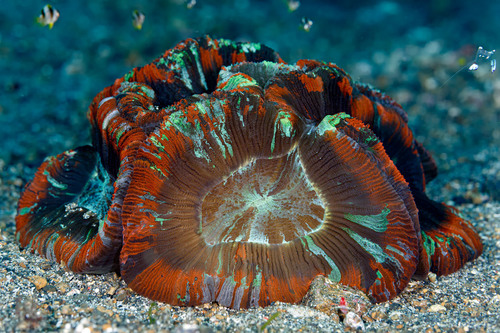
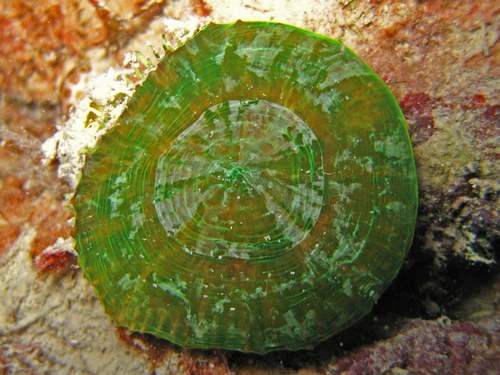
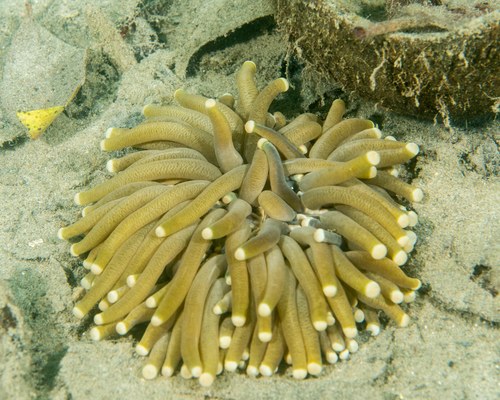
Heliofungia actiniformis, commonly known as the Yellow Plate Coral, is a solitary species of mushroom coral belonging to the family Fungiidae. This large polyp stony coral is native to the shallow waters of the Indo-Pacific region, where it thrives in warm, light-rich environments. The coral is zooxanthellate, meaning it has a symbiotic relationship with algae that provide it with essential nutrients through photosynthesis, contributing to its vibrant yellow coloration.
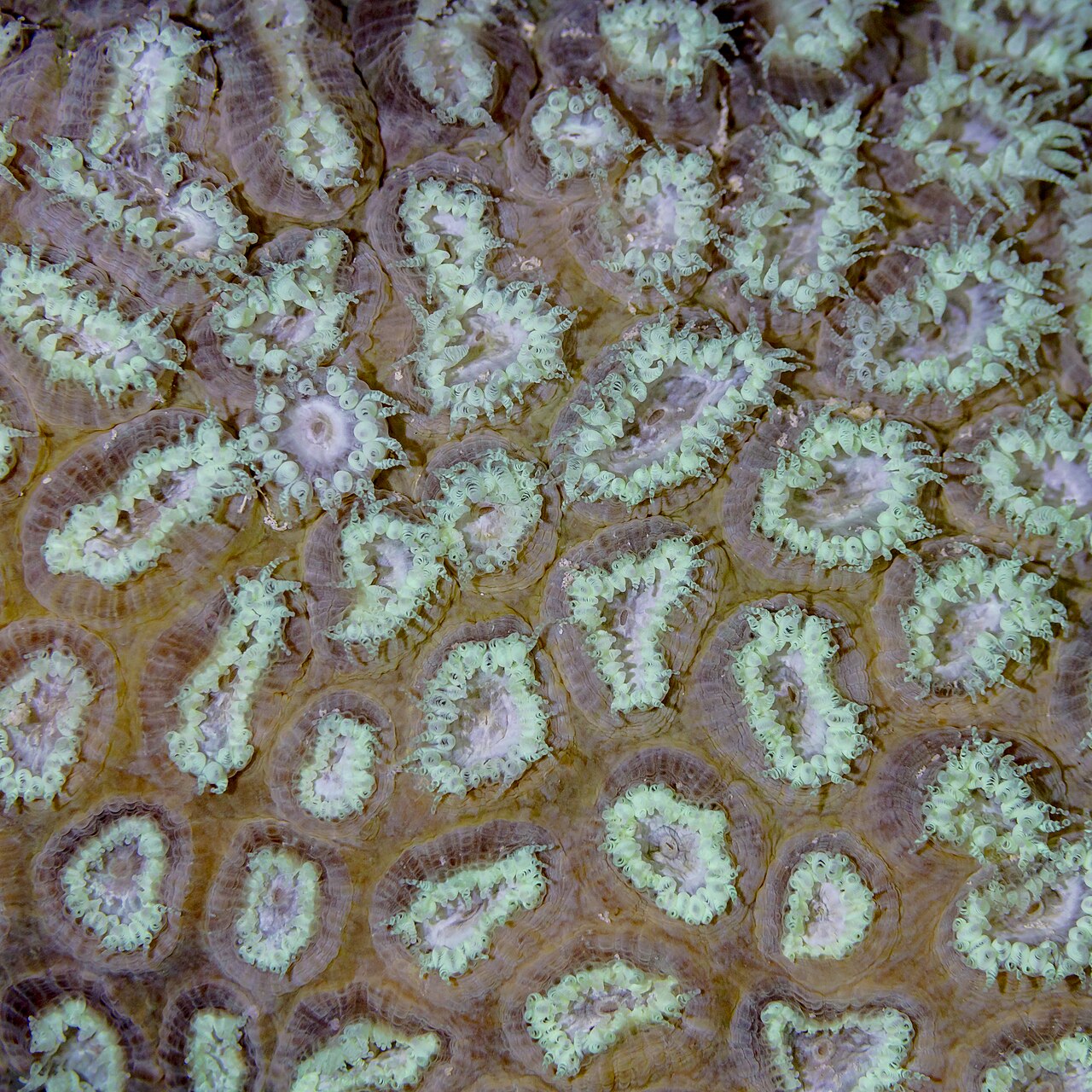
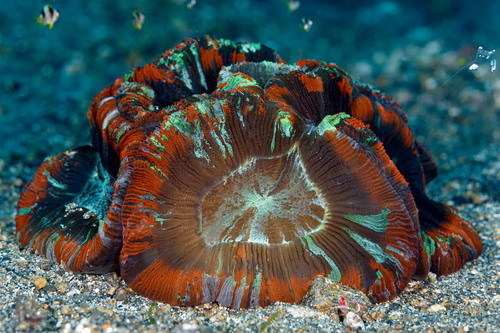
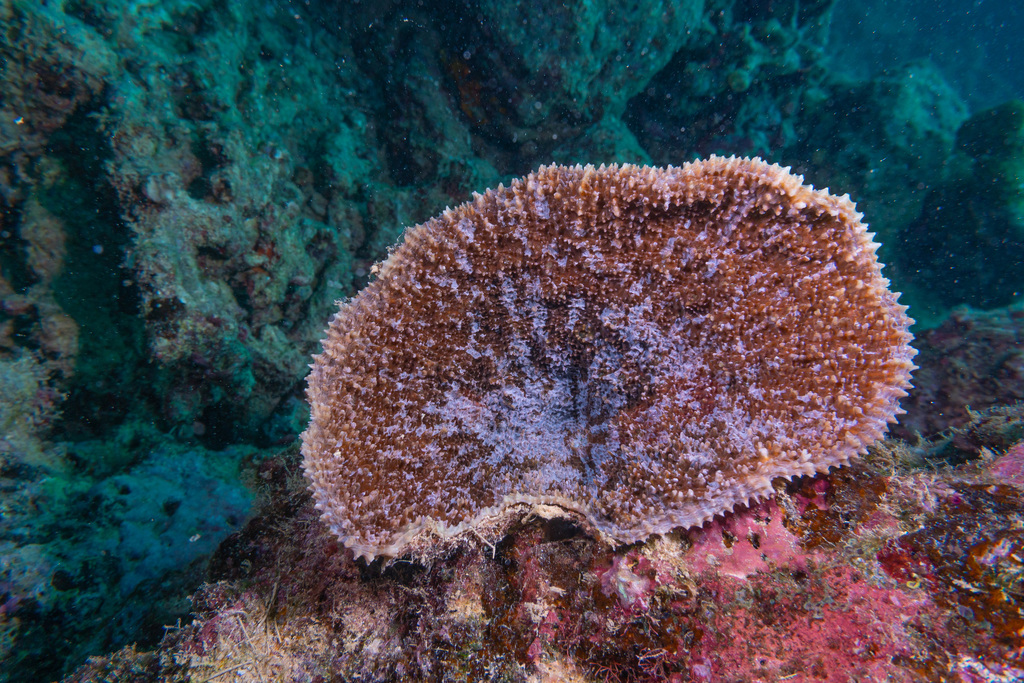
The Yellow Plate Coral is characterized by its distinctive, flat, disc-like structure, which can reach impressive sizes of up to 30 cm in diameter. Its surface features a series of radiating ridges and valleys, creating a visually striking appearance that enhances any aquarium display. In the wild, H. actiniformis typically resides on sandy substrates, where it can anchor itself and extend its tentacles to capture plankton and small organisms for additional nutrition.
Behaviorally, this species is relatively peaceful, making it suitable for community reef tanks. However, it can exhibit aggressive tendencies if placed too close to other corals, as they may compete for space and resources. The Yellow Plate Coral is known for its ability to retract its tentacles during the day to conserve energy, extending them at night when it is most active in feeding and interaction.
Despite its popularity in the aquarium trade, the Yellow Plate Coral faces threats from environmental changes, diseases, and over-collection, leading to its classification as vulnerable by the IUCN. Conservation efforts are crucial to ensure the sustainability of wild populations while still allowing for responsible aquarium trade practices.
The Yellow Plate Coral is characterized by its distinctive, flat, disc-like structure, which can reach impressive sizes of up to 30 cm in diameter. Its surface features a series of radiating ridges and valleys, creating a visually striking appearance that enhances any aquarium display. In the wild, H. actiniformis typically resides on sandy substrates, where it can anchor itself and extend its tentacles to capture plankton and small organisms for additional nutrition.
Behaviorally, this species is relatively peaceful, making it suitable for community reef tanks. However, it can exhibit aggressive tendencies if placed too close to other corals, as they may compete for space and resources. The Yellow Plate Coral is known for its ability to retract its tentacles during the day to conserve energy, extending them at night when it is most active in feeding and interaction.
Despite its popularity in the aquarium trade, the Yellow Plate Coral faces threats from environmental changes, diseases, and over-collection, leading to its classification as vulnerable by the IUCN. Conservation efforts are crucial to ensure the sustainability of wild populations while still allowing for responsible aquarium trade practices.
To successfully maintain Heliofungia actiniformis in an aquarium, specific water parameters need to be met. The ideal temperature range is between 24°C and 28°C, with a salinity level of 35 ppt. The pH should be maintained between 8.1 and 8.4. A minimum tank size of 200 liters is recommended to provide adequate space for growth and to stabilize water conditions.
Feeding the Yellow Plate Coral involves a combination of light and supplemental feeding. While it relies on its symbiotic algae for energy, it benefits from the addition of small meaty foods such as brine shrimp or zooplankton, especially during nighttime when it is most active. Compatibility-wise, it should be placed away from aggressive corals to prevent stinging and potential damage.
Acclimation is critical for this species; gradual introduction to the aquarium is essential to reduce stress. A quarantine period of at least two weeks is recommended to monitor for any potential diseases before introducing it to the main tank. Regular assessments of water quality and stability will help ensure the health and longevity of the Yellow Plate Coral.
Feeding the Yellow Plate Coral involves a combination of light and supplemental feeding. While it relies on its symbiotic algae for energy, it benefits from the addition of small meaty foods such as brine shrimp or zooplankton, especially during nighttime when it is most active. Compatibility-wise, it should be placed away from aggressive corals to prevent stinging and potential damage.
Acclimation is critical for this species; gradual introduction to the aquarium is essential to reduce stress. A quarantine period of at least two weeks is recommended to monitor for any potential diseases before introducing it to the main tank. Regular assessments of water quality and stability will help ensure the health and longevity of the Yellow Plate Coral.
The Yellow Plate Coral is suitable for shipping under controlled conditions. Packing density should be moderate to allow for proper air circulation during transit. Temperature sensitivity requires maintenance between 24°C and 28°C during shipping to ensure coral health. As a species listed under CITES Appendix II, proper documentation and adherence to regulations are necessary for legal export.
Species Parameters
Max Adult Size
30.0 cm
Origin
Indo-Pacific
Temp Min
24.0 °C
Temp Max
28.0 °C
Salinity Min
35.000
Salinity Max
35.000
pH Min
8.10
pH Max
8.40
Min Tank
200 L