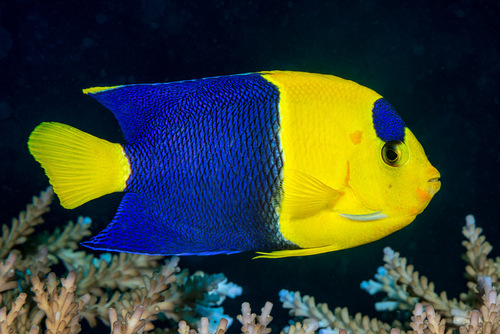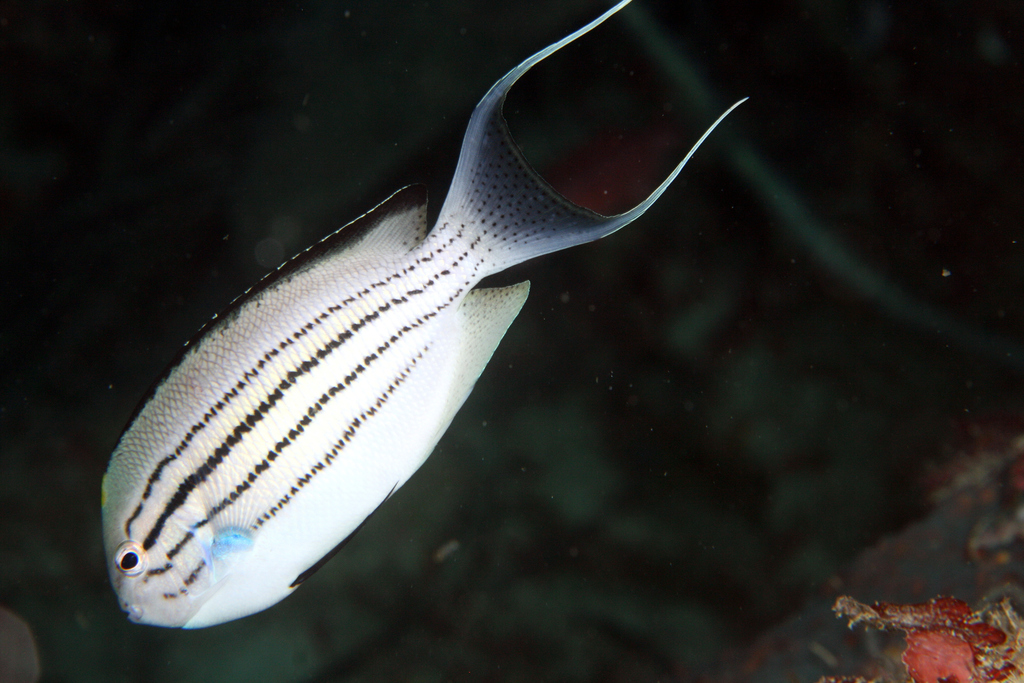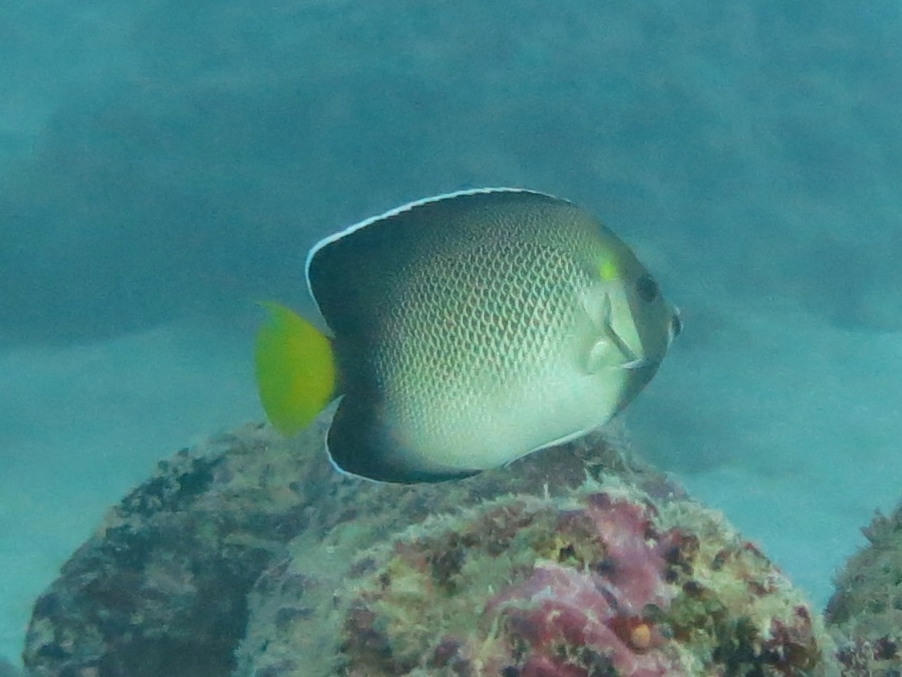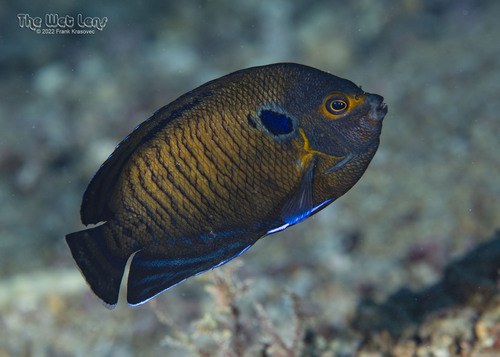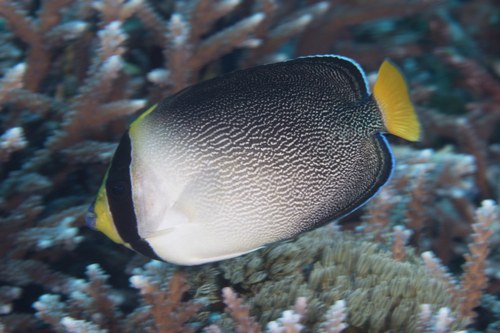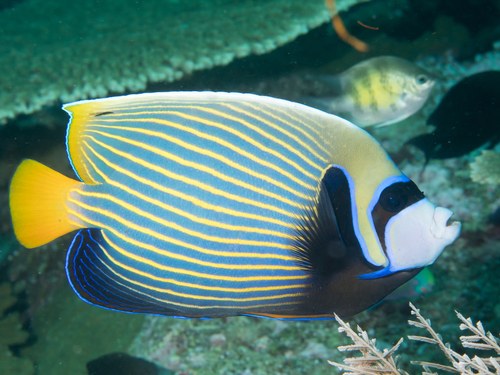
Blue Girdled/Majestic Angelfish Juv
pomac.navarchus juv
In Stock
Common stock
Wild Caught
Moderate care
With Caution
SKU: ML-MF-0031
The Blue Girdled Angelfish is a striking juvenile with vibrant colors, perfect for marine enthusiasts.
Pricing for Verified Importers
Log in to see wholesale prices and order.
Export Size
up to 25.0 cm
Origin
Indo-Pacific
Temperature
24.0–28.0°C
Min. Tank Size
400 L
Salinity
1.020–1.025 ppt
pH
8.10–8.40
Diet
omnivore
The Blue Girdled Angelfish (Pomacanthus navarchus) is a captivating species native to the reefs of the Indo-Pacific region. Known for its striking blue and yellow coloration, this juvenile fish showcases intricate patterns that evolve as they mature. The adult form is equally stunning, featuring a deep blue body adorned with vibrant yellow bands, making it a desirable addition to any marine aquarium.
Juveniles are typically found in shallow coral reefs, where they seek refuge among the crevices and overhangs. This species is known for its curious and somewhat territorial behavior, often exploring its surroundings with a boldness that belies its size. As they mature, they exhibit a more pronounced territorial nature, establishing dominance over their preferred habitat.
In their natural environment, Blue Girdled Angelfish feed primarily on sponges, algae, and small invertebrates. Their diet in the wild shapes their nutritional needs in captivity, emphasizing the importance of providing a varied diet rich in plant and protein sources. Understanding their dietary habits is crucial for maintaining their health and vibrant coloration in an aquarium setting.
Habitat-wise, these angelfish thrive in warm, shallow waters, typically found at depths ranging from 1 to 30 meters. They prefer environments with abundant coral cover, which provides both food and shelter from predators. This affinity for coral reefs makes them sensitive to habitat destruction and highlights the importance of sustainable practices in the aquarium trade.
Juveniles are typically found in shallow coral reefs, where they seek refuge among the crevices and overhangs. This species is known for its curious and somewhat territorial behavior, often exploring its surroundings with a boldness that belies its size. As they mature, they exhibit a more pronounced territorial nature, establishing dominance over their preferred habitat.
In their natural environment, Blue Girdled Angelfish feed primarily on sponges, algae, and small invertebrates. Their diet in the wild shapes their nutritional needs in captivity, emphasizing the importance of providing a varied diet rich in plant and protein sources. Understanding their dietary habits is crucial for maintaining their health and vibrant coloration in an aquarium setting.
Habitat-wise, these angelfish thrive in warm, shallow waters, typically found at depths ranging from 1 to 30 meters. They prefer environments with abundant coral cover, which provides both food and shelter from predators. This affinity for coral reefs makes them sensitive to habitat destruction and highlights the importance of sustainable practices in the aquarium trade.
To maintain the health of Blue Girdled Angelfish juveniles in captivity, it is essential to replicate their natural environment. Optimal water conditions include a temperature range of 24-28°C, a salinity of 1.020-1.025 ppt, and a pH level between 8.1 and 8.4. Regular water changes and high-quality filtration are vital to ensure water quality.
Feeding should consist of a balanced diet that includes high-quality flakes, pellets, and frozen foods, supplemented with marine algae and sponge-based foods. This species is omnivorous and benefits from a varied diet to promote growth and maintain vibrant colors.
Compatibility is an important consideration, as Blue Girdled Angelfish can be territorial, especially as they mature. It is advisable to house them with other peaceful species in a spacious aquarium of at least 400 liters to minimize aggression. Acclimation should be gradual, allowing the fish to adapt to their new environment, while a quarantine period of at least two weeks is recommended to prevent potential diseases from spreading to other aquatic life.
Monitoring for signs of stress or disease is essential, as these angelfish can be susceptible to common marine ailments. Providing ample hiding spots and territories will help reduce stress in a community tank.
Feeding should consist of a balanced diet that includes high-quality flakes, pellets, and frozen foods, supplemented with marine algae and sponge-based foods. This species is omnivorous and benefits from a varied diet to promote growth and maintain vibrant colors.
Compatibility is an important consideration, as Blue Girdled Angelfish can be territorial, especially as they mature. It is advisable to house them with other peaceful species in a spacious aquarium of at least 400 liters to minimize aggression. Acclimation should be gradual, allowing the fish to adapt to their new environment, while a quarantine period of at least two weeks is recommended to prevent potential diseases from spreading to other aquatic life.
Monitoring for signs of stress or disease is essential, as these angelfish can be susceptible to common marine ailments. Providing ample hiding spots and territories will help reduce stress in a community tank.
The Blue Girdled Angelfish is suitable for shipping, with careful attention to packing density and temperature control. Optimal shipping temperatures should be maintained between 24-26°C to minimize stress during transit. CITES status should be verified, as sustainable practices are essential for ensuring the long-term availability of this species in the aquarium trade.
Species Parameters
Max Adult Size
25.0 cm
Origin
Indo-Pacific
Diet
omnivore
Temp Min
24.0 °C
Temp Max
28.0 °C
Salinity Min
1.020
Salinity Max
1.025
pH Min
8.10
pH Max
8.40
Min Tank
400 L