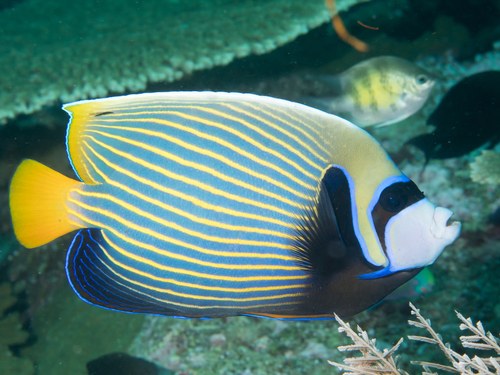
Emperor Angel
Pomacanthus imperator
In Stock
Common stock
Wild Caught
Moderate care
With Caution
SKU: CB-MF-0074
The Emperor Angel is renowned for its stunning coloration and unique patterns.
Pricing for Verified Importers
Log in to see wholesale prices and order.
Export Size
up to 38.0 cm
Origin
Indo-Pacific
Temperature
24.0–28.0°C
Min. Tank Size
250 L
Salinity
35.000–35.000 ppt
pH
8.10–8.40
Diet
herbivore
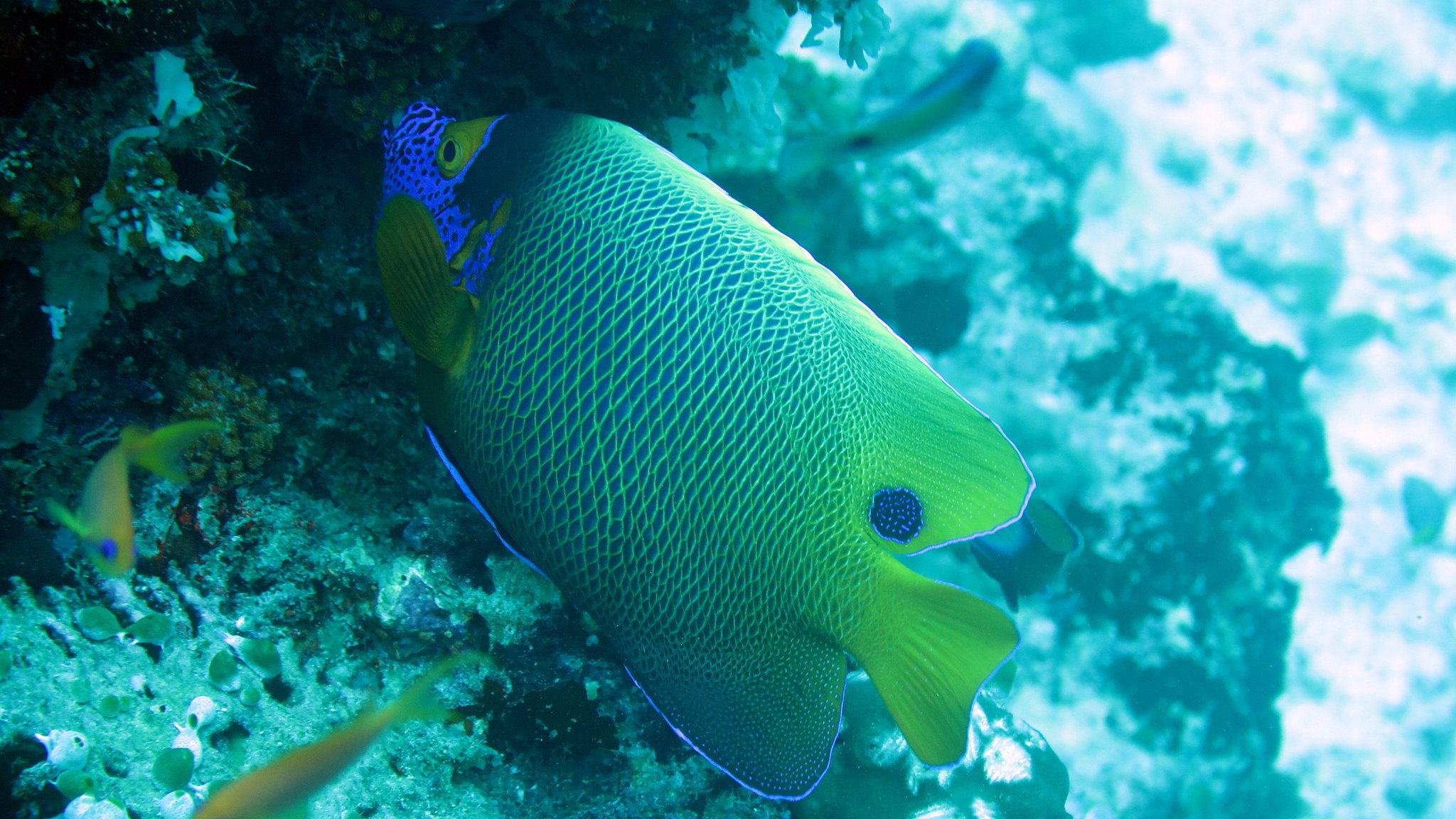
The Emperor Angelfish (Pomacanthus imperator) is a dazzling marine fish native to the Indian and Pacific Oceans, ranging from the Red Sea to Hawaii and the Austral Islands. This species thrives in coral-rich environments, making it a vital part of reef ecosystems. Its striking appearance features a blue and yellow striped pattern that captivates aquarists, photographers, and marine enthusiasts alike. The vibrant colors of the Emperor Angelfish enhance the aesthetic of any aquarium, making it a sought-after species in the ornamental fish trade.
In terms of behavior, Emperor Angelfish are known for their territorial nature, often defending their chosen areas within the reef. They form strong bonds with their habitats and can be observed grazing on algae and other small invertebrates among the coral structures. As juveniles, they display a different coloration, typically featuring a dark blue body with circular yellow spots, which gradually evolve into the adult's vibrant pattern as they mature.
Habitat-wise, the Emperor Angelfish prefers deeper coral reefs, typically found at depths of up to 50 meters. They are often seen swimming among the reef structures, where they find both shelter and food. As a reef-associated fish, they play an important role in maintaining the health of their ecosystems by controlling algae populations and contributing to the biodiversity of their habitats.
Thanks to their stable populations and lack of major threats, Emperor Angelfish are not currently considered endangered. However, their popularity in the aquarium trade underscores the importance of sustainable practices to ensure their continued availability for future generations of aquarists.
In terms of behavior, Emperor Angelfish are known for their territorial nature, often defending their chosen areas within the reef. They form strong bonds with their habitats and can be observed grazing on algae and other small invertebrates among the coral structures. As juveniles, they display a different coloration, typically featuring a dark blue body with circular yellow spots, which gradually evolve into the adult's vibrant pattern as they mature.
Habitat-wise, the Emperor Angelfish prefers deeper coral reefs, typically found at depths of up to 50 meters. They are often seen swimming among the reef structures, where they find both shelter and food. As a reef-associated fish, they play an important role in maintaining the health of their ecosystems by controlling algae populations and contributing to the biodiversity of their habitats.
Thanks to their stable populations and lack of major threats, Emperor Angelfish are not currently considered endangered. However, their popularity in the aquarium trade underscores the importance of sustainable practices to ensure their continued availability for future generations of aquarists.
To ensure the well-being of Emperor Angelfish in captivity, maintaining appropriate water parameters is crucial. Ideal water temperature ranges from 24°C to 28°C, with salinity levels between 1.020 and 1.025 ppt. The pH should be maintained between 8.1 and 8.4. A minimum tank size of 250 liters is recommended to accommodate their territorial nature and provide adequate swimming space.
Diet plays a significant role in the health of Emperor Angelfish. They are primarily herbivores, feeding on algae, sponges, and other plant materials. In captivity, a varied diet including high-quality marine pellets, spirulina, and fresh vegetables will help meet their nutritional needs. It's essential to feed them multiple small meals throughout the day to mimic their natural grazing behavior.
When introducing Emperor Angelfish to a community tank, caution is advised, as they can be aggressive towards other fish with similar body shapes. They are best kept with larger, more robust tank mates. Acclimation should involve a gradual process, using the drip method to reduce stress during the transition from shipping to the aquarium. Quarantine is also recommended to monitor for any signs of disease before introducing them to the main tank.
Diet plays a significant role in the health of Emperor Angelfish. They are primarily herbivores, feeding on algae, sponges, and other plant materials. In captivity, a varied diet including high-quality marine pellets, spirulina, and fresh vegetables will help meet their nutritional needs. It's essential to feed them multiple small meals throughout the day to mimic their natural grazing behavior.
When introducing Emperor Angelfish to a community tank, caution is advised, as they can be aggressive towards other fish with similar body shapes. They are best kept with larger, more robust tank mates. Acclimation should involve a gradual process, using the drip method to reduce stress during the transition from shipping to the aquarium. Quarantine is also recommended to monitor for any signs of disease before introducing them to the main tank.
Emperor Angelfish are suitable for shipping, provided that proper care is taken to minimize stress. Packing density should allow for adequate space, with a maximum of 2-3 fish per liter of water. They are sensitive to temperature fluctuations; maintaining a stable temperature between 24°C and 28°C during transport is vital. As this species is not listed under CITES, exportation regulations are relatively straightforward, but compliance with local and international laws is necessary.
Species Parameters
Max Adult Size
38.0 cm
Origin
Indo-Pacific
Diet
herbivore
Temp Min
24.0 °C
Temp Max
28.0 °C
Salinity Min
35.000
Salinity Max
35.000
pH Min
8.10
pH Max
8.40
Min Tank
250 L