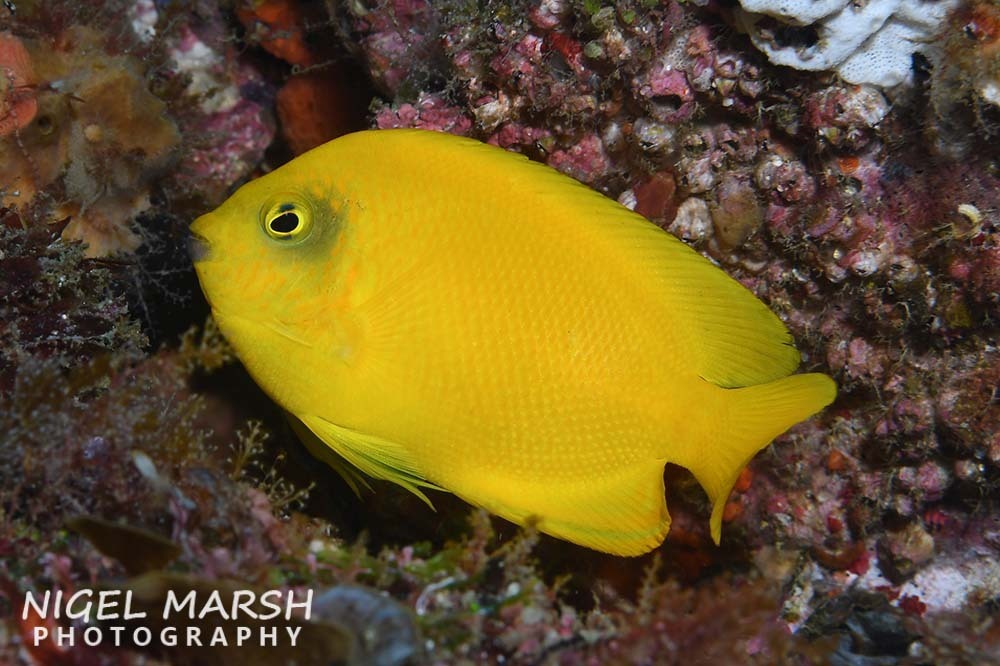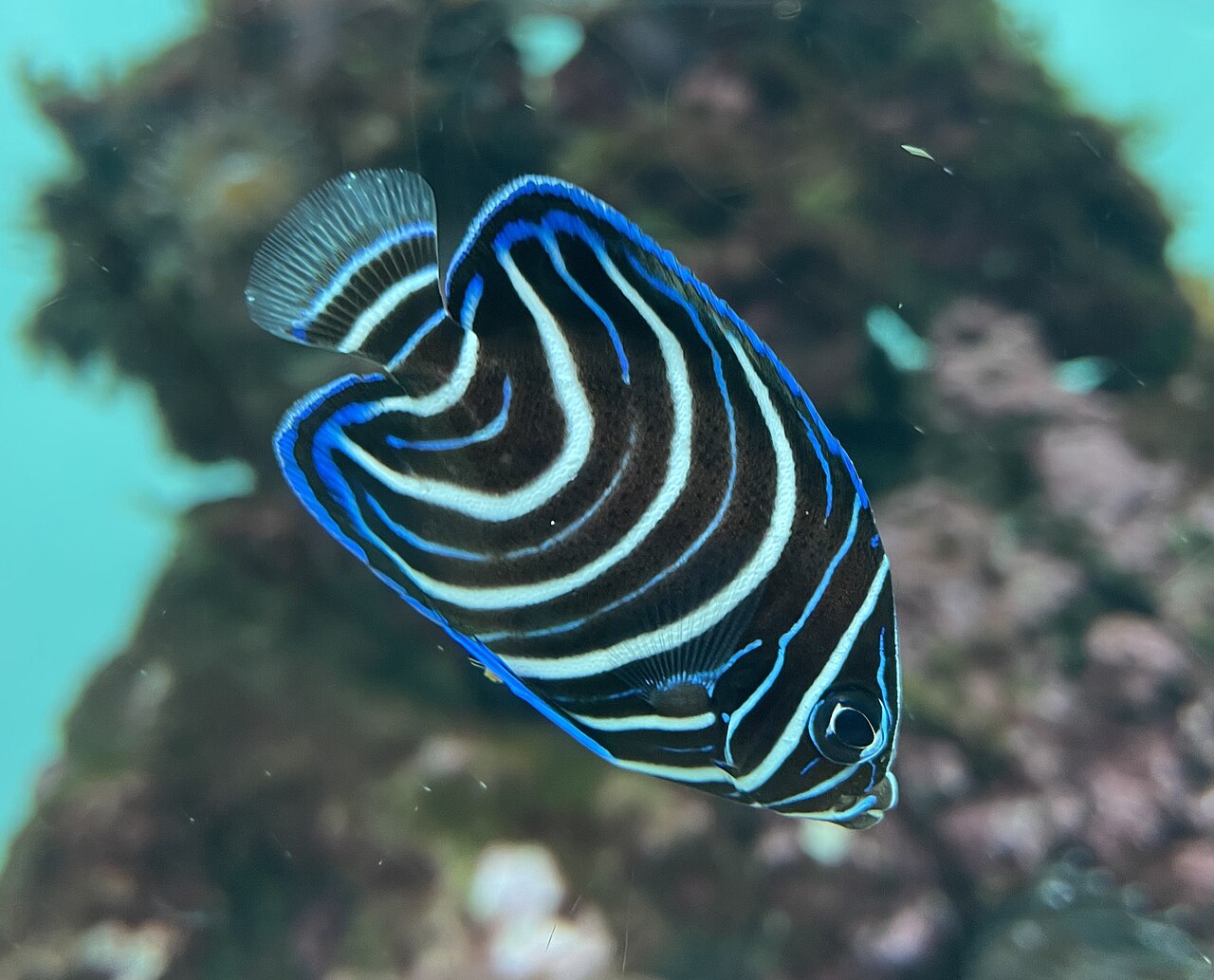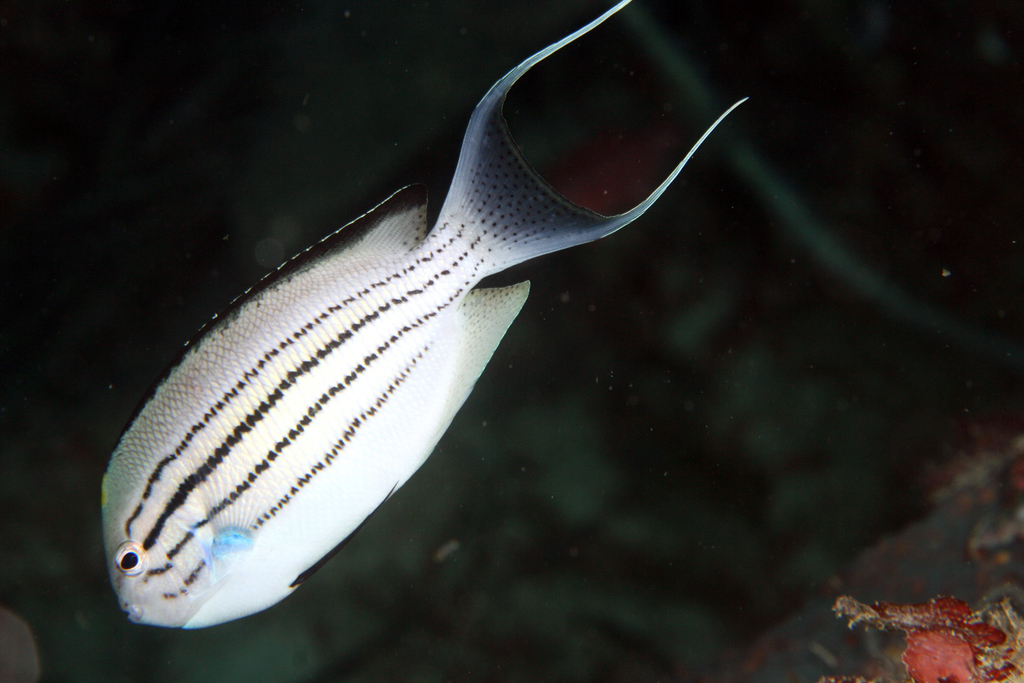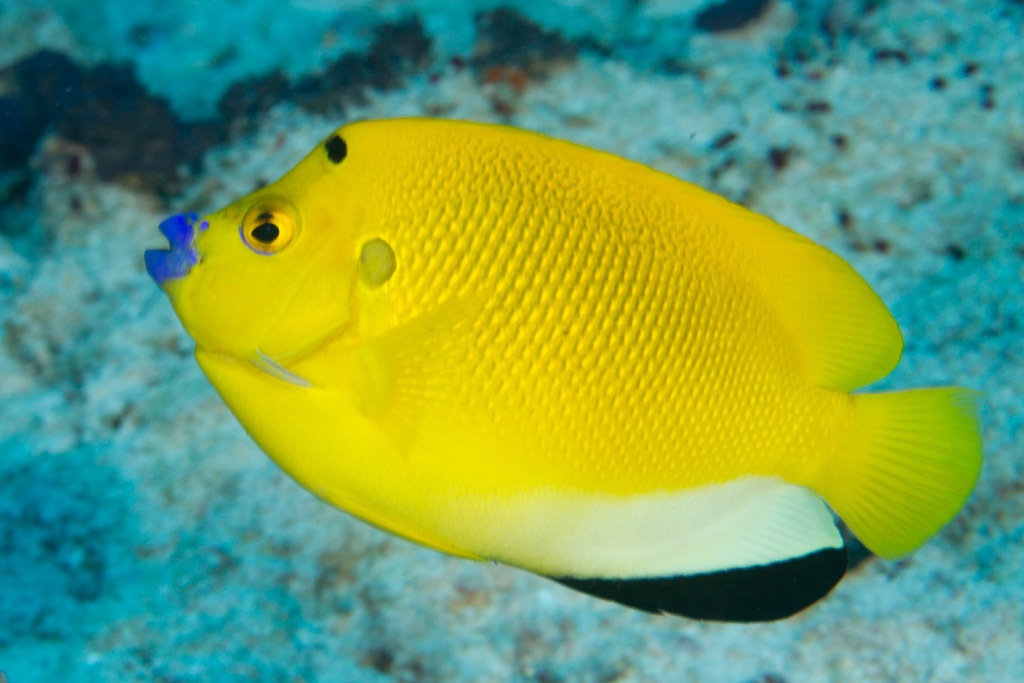
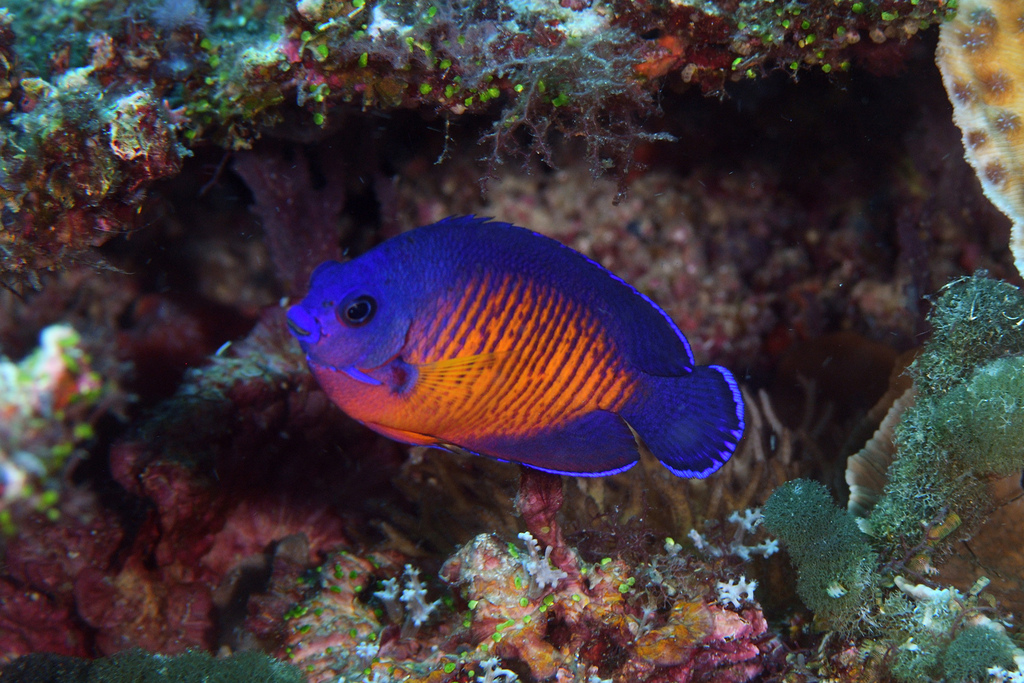
Twospined angelfish/Coral Beauty
centropyge bispinosa
In Stock
Common stock
Wild Caught
Moderate care
With Caution
SKU: ML-MF-0002
Discover the vibrant Twospined angelfish, a stunning gem of the coral reefs!
Pricing for Verified Importers
Log in to see wholesale prices and order.
Export Size
up to 10.0 cm
Origin
Indo-Pacific
Temperature
24.0–28.0°C
Min. Tank Size
100 L
Salinity
1.020–1.025 ppt
pH
8.10–8.40
Diet
omnivore
The Twospined angelfish, scientifically known as Centropyge bispinosa, is a captivating marine fish renowned for its striking coloration and unique physical features. This species typically exhibits a vibrant blue body adorned with bright orange-yellow accents, particularly along the dorsal fin and around the eyes, creating a visually stunning contrast. Adult Twospined angelfish can reach a maximum size of approximately 10 cm, making them a suitable choice for both home aquariums and larger marine settings.
Originating from the coral reefs of the Indo-Pacific region, including areas around Bali, this species thrives in shallow, warm waters, often found amidst rocky crevices and coral formations. Their natural habitat provides essential shelter and food sources, as they primarily graze on algae and small invertebrates. The Twospined angelfish is known for its semi-aggressive behavior, especially when it comes to establishing territory, which makes it a vibrant yet dynamic addition to community tanks.
In terms of social interaction, Twospined angelfish tend to exhibit a hierarchy among individuals. They are often more peaceful when housed with similarly sized fish and can coexist well with other species that do not compete for the same resources. Observing their playful antics as they explore their environment and interact with tank mates is one of the highlights of keeping this species in captivity.
Overall, the Twospined angelfish represents not only a beautiful addition to any aquarium but also a vital component of its natural ecosystem, contributing to the health of coral reefs by controlling algae growth. Their vibrant colors and engaging behaviors make them a favorite among hobbyists and collectors alike.
Originating from the coral reefs of the Indo-Pacific region, including areas around Bali, this species thrives in shallow, warm waters, often found amidst rocky crevices and coral formations. Their natural habitat provides essential shelter and food sources, as they primarily graze on algae and small invertebrates. The Twospined angelfish is known for its semi-aggressive behavior, especially when it comes to establishing territory, which makes it a vibrant yet dynamic addition to community tanks.
In terms of social interaction, Twospined angelfish tend to exhibit a hierarchy among individuals. They are often more peaceful when housed with similarly sized fish and can coexist well with other species that do not compete for the same resources. Observing their playful antics as they explore their environment and interact with tank mates is one of the highlights of keeping this species in captivity.
Overall, the Twospined angelfish represents not only a beautiful addition to any aquarium but also a vital component of its natural ecosystem, contributing to the health of coral reefs by controlling algae growth. Their vibrant colors and engaging behaviors make them a favorite among hobbyists and collectors alike.
To ensure optimal health and longevity of Twospined angelfish, maintaining proper water parameters is crucial. Ideal temperature ranges between 24°C and 28°C, with a salinity of 1.020 to 1.025 ppt. The pH should be maintained between 8.1 and 8.4 for best results. It is recommended to provide a minimum tank size of 100 liters to allow adequate swimming space and territory establishment.
Feeding this species is relatively straightforward, as they are omnivorous. A varied diet consisting of high-quality flakes, pellets, and frozen foods, supplemented with algae-based options, will ensure they receive all necessary nutrients. Regular feeding, at least twice a day, will help maintain their health and color vibrancy.
When introducing Twospined angelfish to a new environment, acclimation is essential. A slow drip acclimation method is advised to reduce stress and ensure a smooth transition. Quarantine for at least two weeks before introducing them to a main display tank is recommended to prevent the spread of potential diseases. Compatibility with other species should be carefully considered; while they can coexist with other fishes, it is best to avoid housing them with overly aggressive or similarly shaped species to minimize territorial disputes.
Feeding this species is relatively straightforward, as they are omnivorous. A varied diet consisting of high-quality flakes, pellets, and frozen foods, supplemented with algae-based options, will ensure they receive all necessary nutrients. Regular feeding, at least twice a day, will help maintain their health and color vibrancy.
When introducing Twospined angelfish to a new environment, acclimation is essential. A slow drip acclimation method is advised to reduce stress and ensure a smooth transition. Quarantine for at least two weeks before introducing them to a main display tank is recommended to prevent the spread of potential diseases. Compatibility with other species should be carefully considered; while they can coexist with other fishes, it is best to avoid housing them with overly aggressive or similarly shaped species to minimize territorial disputes.
Twospined angelfish are suitable for shipping, though care must be taken to minimize stress during transit. Packing density should allow for adequate space to prevent injury. The optimal shipping temperature is around 25°C, as they are sensitive to temperature fluctuations. Ensure that all necessary CITES regulations are complied with, although Centropyge bispinosa is not currently listed under CITES.
Species Parameters
Max Adult Size
10.0 cm
Origin
Indo-Pacific
Diet
omnivore
Temp Min
24.0 °C
Temp Max
28.0 °C
Salinity Min
1.020
Salinity Max
1.025
pH Min
8.10
pH Max
8.40
Min Tank
100 L