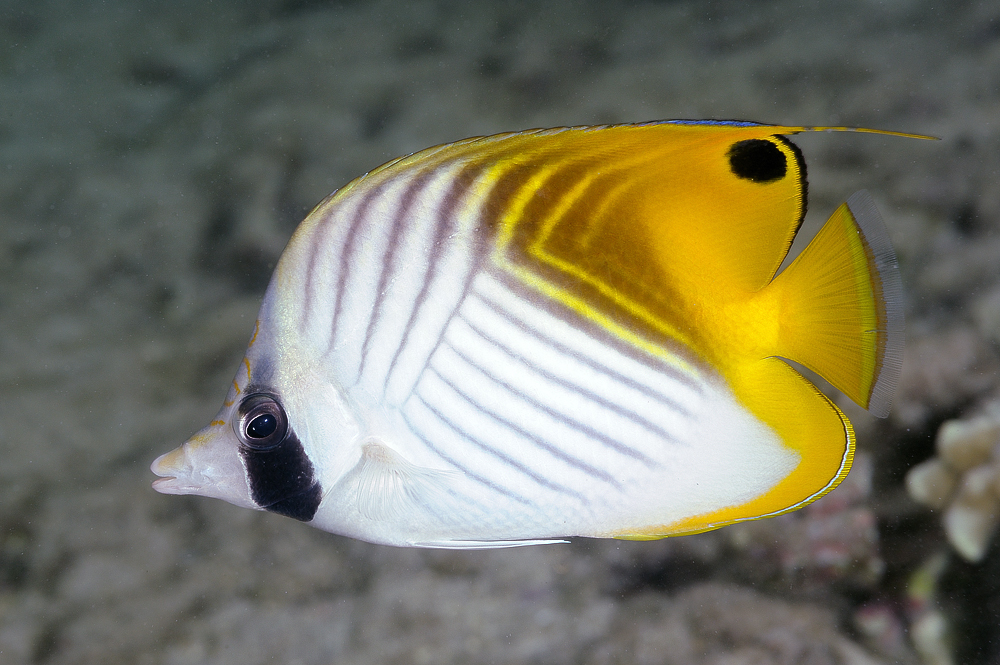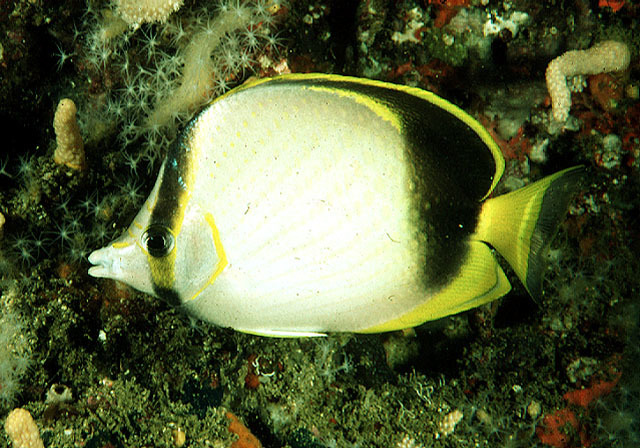
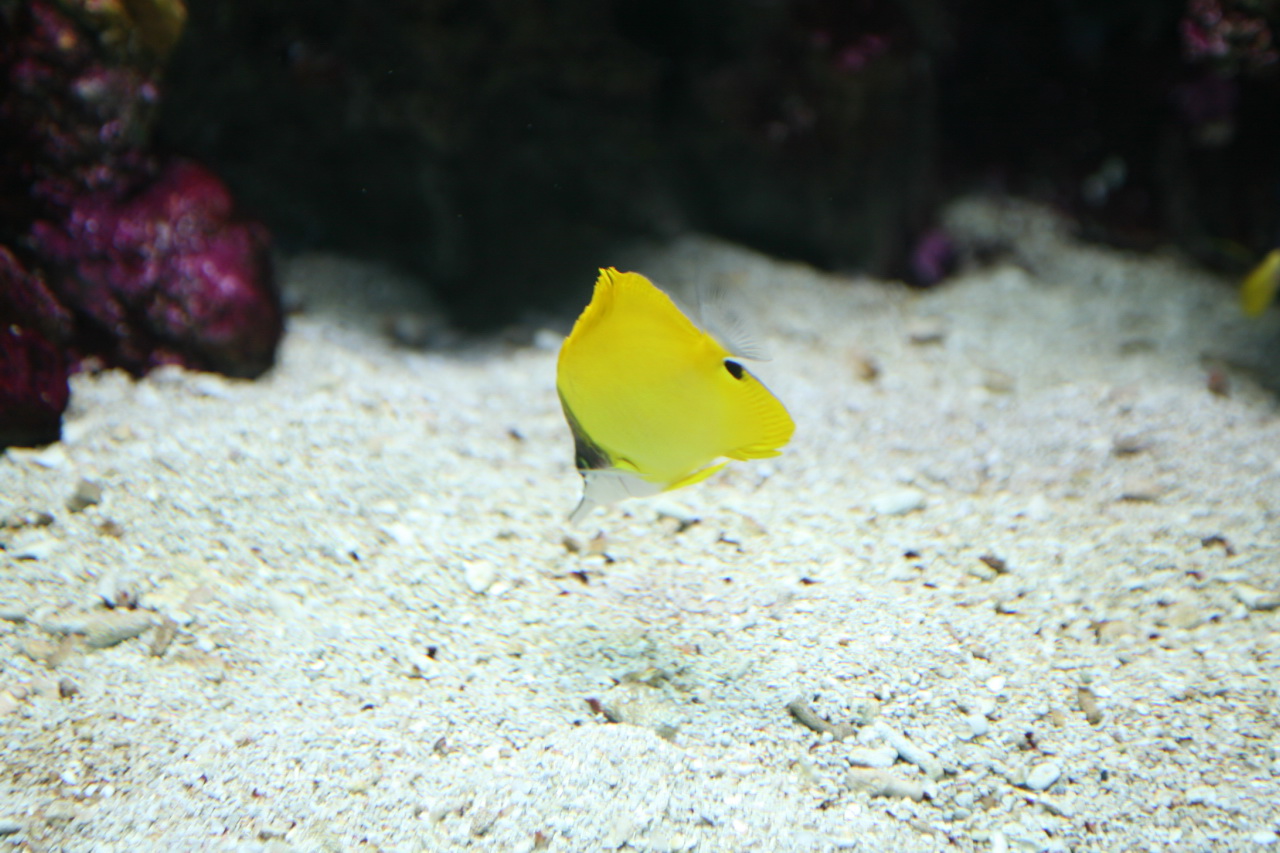
Black Long-Nose Butterfly Sepacial
forcipiger longirostris sepecial
In Stock
Common stock
Wild Caught
Moderate care
With Caution
SKU: ML-MF-0128
Discover the striking Black Long-Nose Butterfly Sepacial, a unique marine fish known for its elongated snout.
Pricing for Verified Importers
Log in to see wholesale prices and order.
Export Size
up to 20.0 cm
Origin
Coral Triangle
Temperature
24.0–28.0°C
Min. Tank Size
200 L
Salinity
1.020–1.025 ppt
pH
8.10–8.40
Diet
carnivore
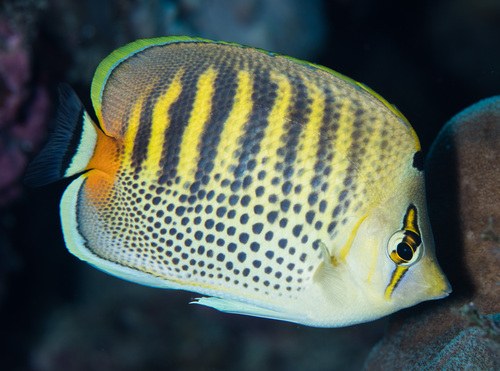
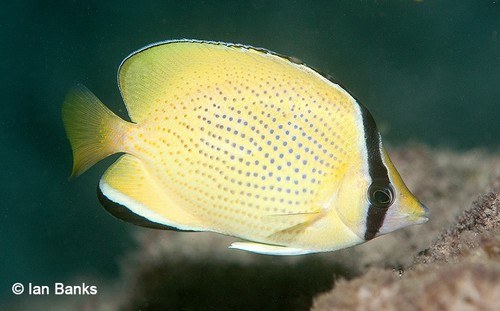
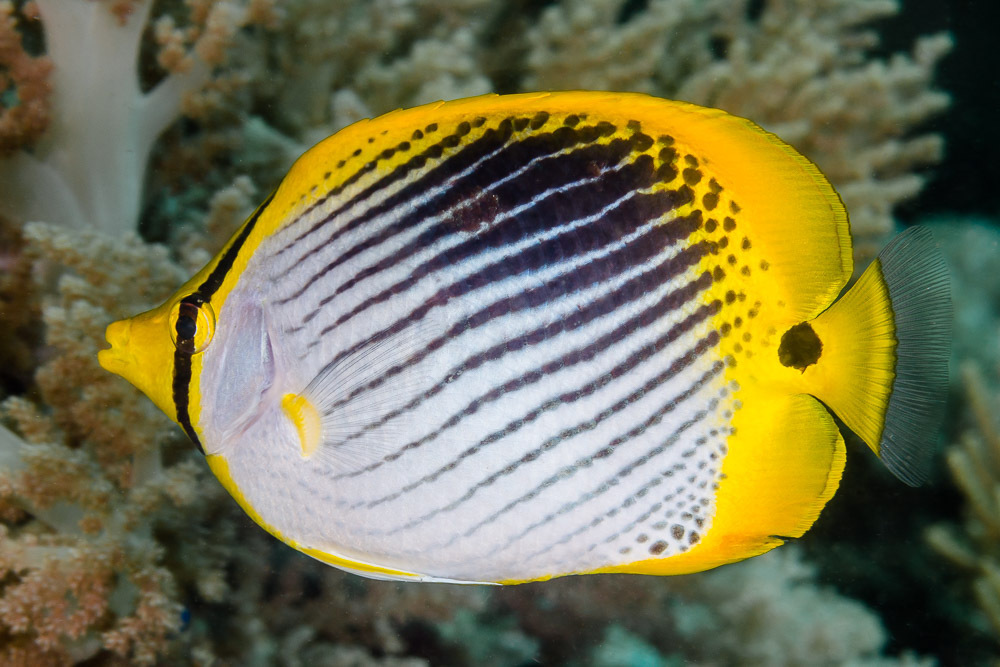
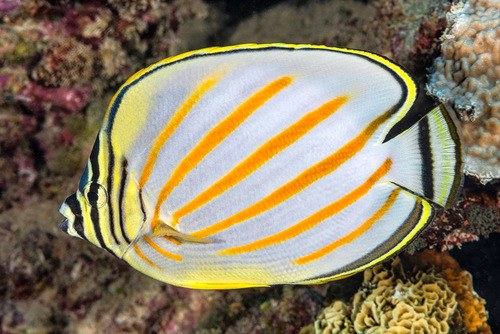
The Black Long-Nose Butterfly Sepacial (Forcipiger longirostris sepecial) is a captivating marine fish that stands out in the aquatic world due to its distinctive elongated snout and vibrant coloration. This species is a variant of the commonly known long-nose butterflyfish, characterized by its jet-black body adorned with bold yellow stripes that run along its sides, creating a stunning visual display. Its unique morphology not only contributes to its aesthetic appeal but also enhances its feeding strategy, allowing it to reach into crevices to access its preferred diet of small invertebrates and coral polyps.
In terms of natural history, the Black Long-Nose Butterfly Sepacial is typically found in shallow reef environments, often inhabiting areas rich in coral cover. These fish are known to inhabit the Coral Triangle region, where biodiversity is exceptionally high. Their affinity for coral reefs makes them an integral part of the ecosystem, as they help control the population of certain invertebrates that can otherwise overwhelm coral systems. Behavioral observations indicate that these fish are generally social, often seen in pairs or small groups, which can provide them with protection against predators.
The Black Long-Nose Butterfly Sepacial is not only an attractive addition to any marine aquarium but also a fascinating specimen for study due to its behavioral patterns and feeding habits. They exhibit a graceful swimming style and can often be observed darting in and out of coral formations, showcasing their agility and adaptability in complex habitats. Their vibrant colors and unique shape make them a favorite among aquarists who appreciate both beauty and biodiversity.
Overall, this species is an excellent choice for marine enthusiasts looking to add a unique and visually striking fish to their collection. With proper care and attention, the Black Long-Nose Butterfly Sepacial can thrive in a well-maintained aquarium environment, bringing life and color to your aquatic displays.
In terms of natural history, the Black Long-Nose Butterfly Sepacial is typically found in shallow reef environments, often inhabiting areas rich in coral cover. These fish are known to inhabit the Coral Triangle region, where biodiversity is exceptionally high. Their affinity for coral reefs makes them an integral part of the ecosystem, as they help control the population of certain invertebrates that can otherwise overwhelm coral systems. Behavioral observations indicate that these fish are generally social, often seen in pairs or small groups, which can provide them with protection against predators.
The Black Long-Nose Butterfly Sepacial is not only an attractive addition to any marine aquarium but also a fascinating specimen for study due to its behavioral patterns and feeding habits. They exhibit a graceful swimming style and can often be observed darting in and out of coral formations, showcasing their agility and adaptability in complex habitats. Their vibrant colors and unique shape make them a favorite among aquarists who appreciate both beauty and biodiversity.
Overall, this species is an excellent choice for marine enthusiasts looking to add a unique and visually striking fish to their collection. With proper care and attention, the Black Long-Nose Butterfly Sepacial can thrive in a well-maintained aquarium environment, bringing life and color to your aquatic displays.
To successfully care for the Black Long-Nose Butterfly Sepacial, it is essential to maintain stable water parameters. Ideal conditions include a temperature range of 24-28°C, a pH of 8.1-8.4, and a salinity of 1.020-1.025 ppt. A minimum tank size of 200 liters is recommended to provide ample swimming space and environmental enrichment.
Feeding this species requires a balanced diet rich in marine proteins. High-quality frozen or live foods such as brine shrimp, mysis shrimp, and finely chopped seafood will help maintain their health. It is crucial to feed them multiple times a day in small quantities to mimic their natural feeding behavior. Compatibility-wise, they are best kept with other peaceful marine species and should not be housed with aggressive fish that may pose a threat.
Acclimation should be done slowly to reduce stress, typically over a period of 1-2 hours using the drip acclimation method. Quarantine new arrivals for at least two weeks to prevent the introduction of any pathogens into the main tank. Regular monitoring of water quality and health checks will ensure the long-term well-being of the Black Long-Nose Butterfly Sepacial in your aquarium.
Feeding this species requires a balanced diet rich in marine proteins. High-quality frozen or live foods such as brine shrimp, mysis shrimp, and finely chopped seafood will help maintain their health. It is crucial to feed them multiple times a day in small quantities to mimic their natural feeding behavior. Compatibility-wise, they are best kept with other peaceful marine species and should not be housed with aggressive fish that may pose a threat.
Acclimation should be done slowly to reduce stress, typically over a period of 1-2 hours using the drip acclimation method. Quarantine new arrivals for at least two weeks to prevent the introduction of any pathogens into the main tank. Regular monitoring of water quality and health checks will ensure the long-term well-being of the Black Long-Nose Butterfly Sepacial in your aquarium.
The Black Long-Nose Butterfly Sepacial is suitable for shipping under controlled conditions. Packing density should allow for adequate oxygen exchange, with a maximum of 1 fish per 10 liters of water. They are sensitive to temperature fluctuations; thus, maintaining a stable range between 24-26°C during transit is critical. This species is not listed under CITES, making it easier to export.
Species Parameters
Max Adult Size
20.0 cm
Origin
Coral Triangle
Diet
carnivore
Temp Min
24.0 °C
Temp Max
28.0 °C
Salinity Min
1.020
Salinity Max
1.025
pH Min
8.10
pH Max
8.40
Min Tank
200 L