Sunset Butterfly
Chaetodon pelewensis
In Stock
Common stock
Wild Caught
Moderate care
With Caution
SKU: CB-MF-0061
The Sunset Butterfly is a vibrant marine fish known for its striking colors and gentle demeanor.
Pricing for Verified Importers
Log in to see wholesale prices and order.
Export Size
up to 15.0 cm
Origin
Indo-Pacific
Temperature
24.0–28.0°C
Min. Tank Size
200 L
Salinity
1.020–1.025 ppt
pH
8.10–8.40
Diet
omnivore
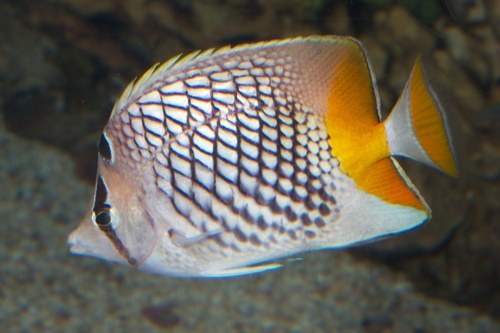
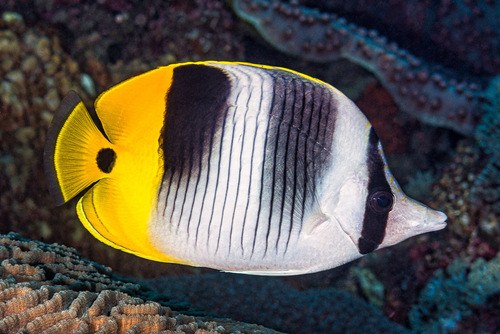
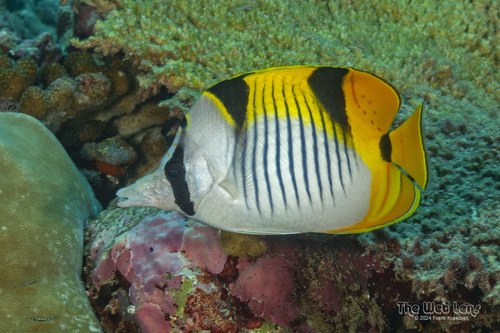
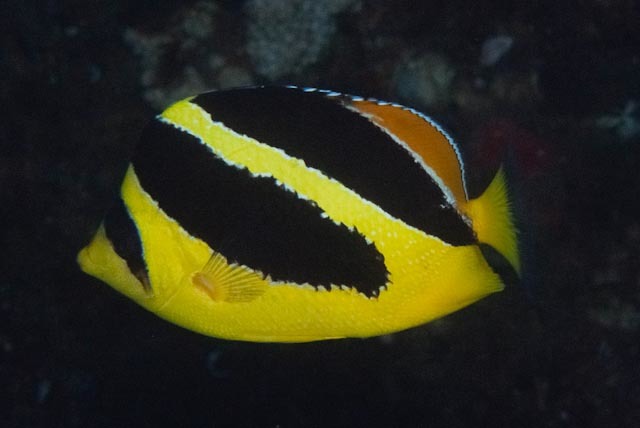
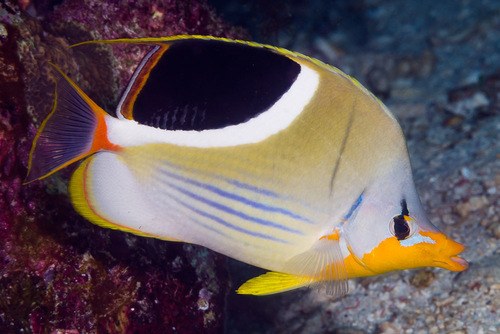
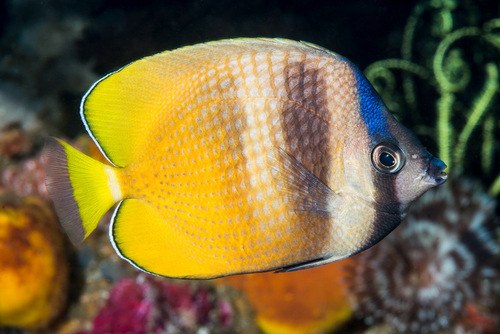
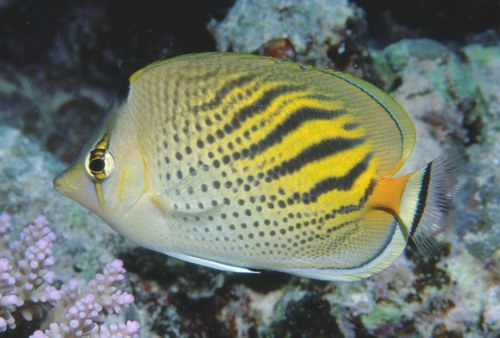
Chaetodon pelewensis, commonly known as the Sunset Butterfly or Dot Dash Butterflyfish, is a visually stunning species found primarily in the western Pacific Ocean. This butterflyfish showcases a vibrant palette of colors, including shades of yellow, orange, and black, which serve as both camouflage and a warning to potential predators. Its distinctive markings include dots and dashes that create a unique pattern, making it a favorite among aquarium enthusiasts.
In its natural habitat, the Sunset Butterfly typically inhabits coral reefs, where it plays a crucial role in maintaining the ecosystem. These fish are often seen darting in and out of reef structures, feeding primarily on small invertebrates such as polyps and crustaceans. They possess a specialized feeding mechanism that allows them to extract food from crevices and among the corals, showcasing their adaptability and resourcefulness.
Socially, Chaetodon pelewensis is a relatively peaceful species, often found in pairs or small groups. They exhibit a unique behavioral trait where they can display territoriality, especially during breeding periods. These fish engage in courtship displays that are both fascinating and essential for their reproductive success. Their gentle nature makes them compatible with various reef tank inhabitants, although care should be taken to avoid aggressive tankmates.
The Sunset Butterfly thrives in warm, clear waters and is often associated with diverse coral ecosystems. Their presence in the aquarium trade not only highlights their beauty but also emphasizes the importance of sustainable practices in marine fish collection. Ensuring their health and well-being in captivity is vital for preserving their populations in the wild.
In its natural habitat, the Sunset Butterfly typically inhabits coral reefs, where it plays a crucial role in maintaining the ecosystem. These fish are often seen darting in and out of reef structures, feeding primarily on small invertebrates such as polyps and crustaceans. They possess a specialized feeding mechanism that allows them to extract food from crevices and among the corals, showcasing their adaptability and resourcefulness.
Socially, Chaetodon pelewensis is a relatively peaceful species, often found in pairs or small groups. They exhibit a unique behavioral trait where they can display territoriality, especially during breeding periods. These fish engage in courtship displays that are both fascinating and essential for their reproductive success. Their gentle nature makes them compatible with various reef tank inhabitants, although care should be taken to avoid aggressive tankmates.
The Sunset Butterfly thrives in warm, clear waters and is often associated with diverse coral ecosystems. Their presence in the aquarium trade not only highlights their beauty but also emphasizes the importance of sustainable practices in marine fish collection. Ensuring their health and well-being in captivity is vital for preserving their populations in the wild.
When introducing Chaetodon pelewensis to a new environment, it is essential to replicate their natural habitat as closely as possible. A minimum tank size of 200 liters is recommended to provide ample swimming space and reduce territorial disputes. The ideal water temperature should be maintained between 24°C to 28°C, with salinity levels ranging from 1.020 to 1.025 ppt. The pH should be kept within the range of 8.1 to 8.4, ensuring optimal conditions for their health.
Feeding the Sunset Butterfly requires a varied diet rich in marine proteins. High-quality frozen or live foods such as mysis shrimp, brine shrimp, and finely chopped seafood should be provided. Additionally, they can benefit from specialized flake or pellet foods designed for butterflyfish. Regular feeding two to three times a day will promote optimal growth and health.
In terms of compatibility, the Sunset Butterfly is best kept with other peaceful reef fish. Avoid introducing them to overly aggressive species, as this may lead to stress or injury. Acclimation should be done gradually over several hours, and a quarantine period of at least two weeks is recommended to observe for any signs of disease before introducing them to the main display tank. Regular monitoring of water parameters is crucial to maintain their health in captivity.
Feeding the Sunset Butterfly requires a varied diet rich in marine proteins. High-quality frozen or live foods such as mysis shrimp, brine shrimp, and finely chopped seafood should be provided. Additionally, they can benefit from specialized flake or pellet foods designed for butterflyfish. Regular feeding two to three times a day will promote optimal growth and health.
In terms of compatibility, the Sunset Butterfly is best kept with other peaceful reef fish. Avoid introducing them to overly aggressive species, as this may lead to stress or injury. Acclimation should be done gradually over several hours, and a quarantine period of at least two weeks is recommended to observe for any signs of disease before introducing them to the main display tank. Regular monitoring of water parameters is crucial to maintain their health in captivity.
The Sunset Butterfly is suitable for shipping due to its hardy nature, but care must be taken during transit. Packing density should be moderate to ensure adequate oxygen levels, and temperatures should be maintained between 24°C to 28°C to avoid stress. The species is not listed under CITES, making export regulations less stringent, but it's essential to follow local guidelines for sustainable practices.
Species Parameters
Max Adult Size
15.0 cm
Origin
Indo-Pacific
Diet
omnivore
Temp Min
24.0 °C
Temp Max
28.0 °C
Salinity Min
1.020
Salinity Max
1.025
pH Min
8.10
pH Max
8.40
Min Tank
200 L