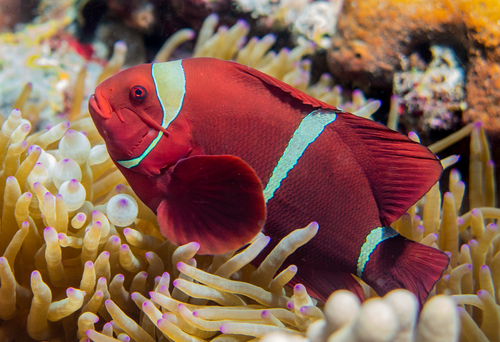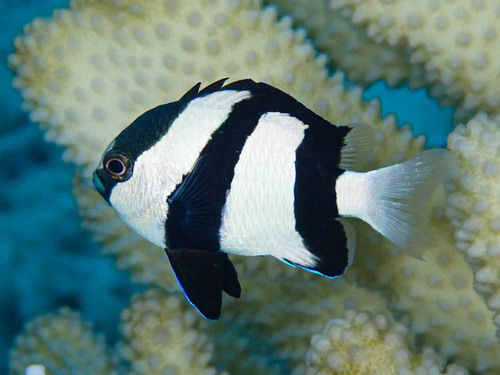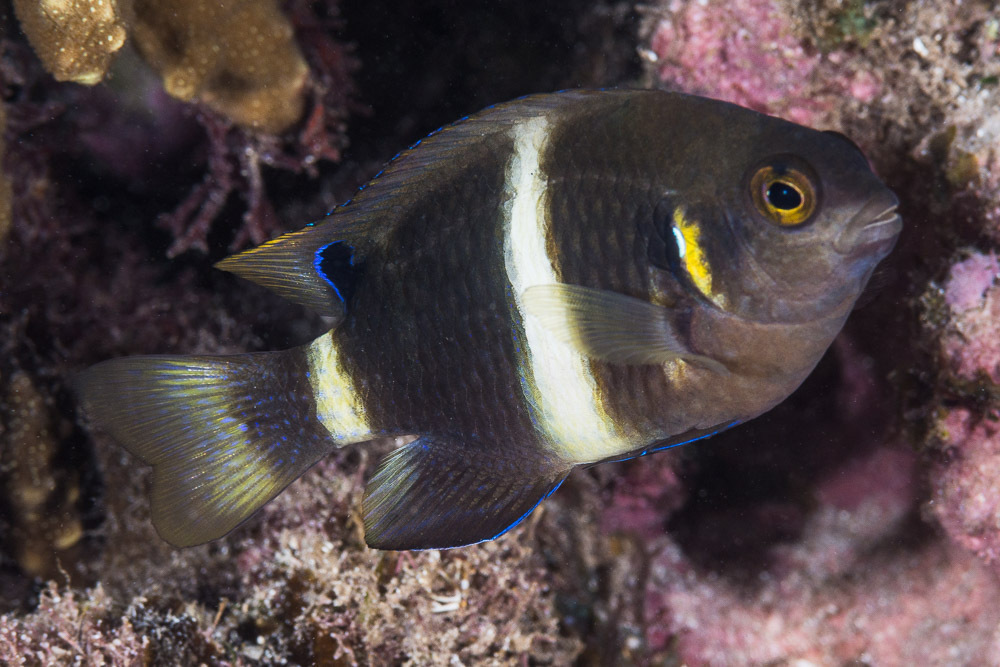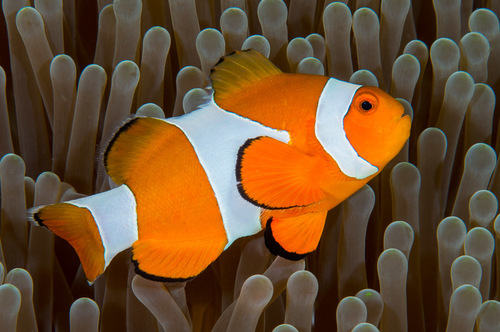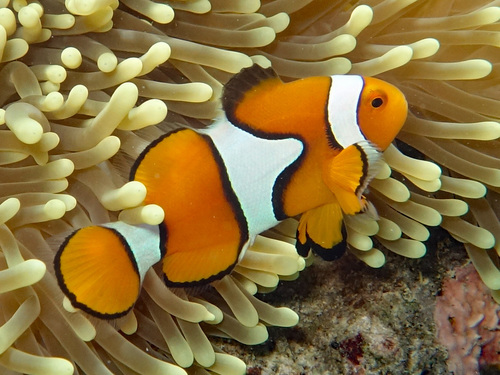
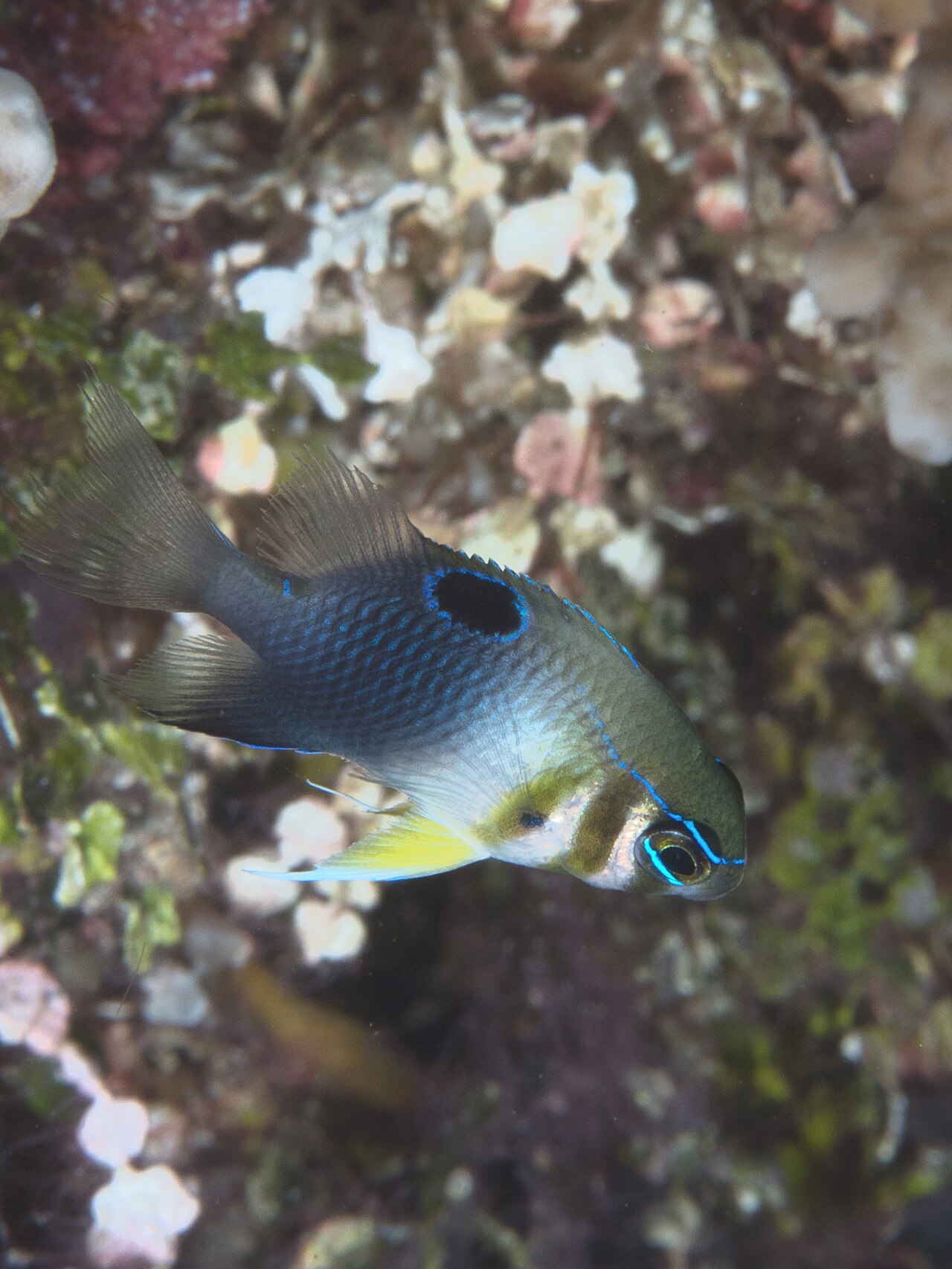
Bar / Head Cheek Damsel
neoglyphidodon thoracotaeniatus
In Stock
Common stock
Wild Caught
Moderate care
With Caution
SKU: ML-MF-0176
The Bar / Head Cheek Damsel is a striking marine fish known for its vibrant colors and active behavior.
Pricing for Verified Importers
Log in to see wholesale prices and order.
Export Size
up to 10.0 cm
Origin
Coral Triangle
Temperature
24.0–28.0°C
Min. Tank Size
100 L
Salinity
1.020–1.025 ppt
pH
8.10–8.40
Diet
omnivore
The Bar / Head Cheek Damsel (neoglyphidodon thoracotaeniatus) is a captivating member of the damselfish family, celebrated for its vivid coloration and dynamic presence in the reef ecosystem. This species typically exhibits a striking blue body adorned with distinct yellow-orange stripes that run diagonally across its face and body, making it a visually appealing addition to any marine aquarium. The unique coloration serves as both a means of attraction and a defense mechanism against predators, blending into the coral-rich habitats it frequents.
In terms of natural history, the Bar / Head Cheek Damsel is commonly found in shallow waters of coral reefs, primarily in the Coral Triangle region, which encompasses parts of Indonesia, the Philippines, and Papua New Guinea. These fish thrive in environments rich in coral formations where they find ample shelter and food. They are often seen darting around the coral heads, displaying territorial behaviors, particularly during breeding seasons, where males become fiercely protective of their nests.
Behaviorally, these fish are known for their lively and inquisitive nature. They tend to form small groups but can also establish territories that they aggressively defend against intruders. Their social structure is intriguing, often involving complex interactions with other reef inhabitants. The Bar / Head Cheek Damsel is not just a striking visual feature of the reef but a vital contributor to the ecological balance, helping to control algae growth and contributing to the overall health of the reef.
As a popular species among aquarists, the Bar / Head Cheek Damsel is appreciated for its resilience and adaptability. They are relatively easy to care for, making them suitable for both novice and experienced marine aquarium enthusiasts. This species serves as an excellent choice for community tanks due to its vibrant colors and engaging behavior, ensuring it stands out in any aquatic display.
In terms of natural history, the Bar / Head Cheek Damsel is commonly found in shallow waters of coral reefs, primarily in the Coral Triangle region, which encompasses parts of Indonesia, the Philippines, and Papua New Guinea. These fish thrive in environments rich in coral formations where they find ample shelter and food. They are often seen darting around the coral heads, displaying territorial behaviors, particularly during breeding seasons, where males become fiercely protective of their nests.
Behaviorally, these fish are known for their lively and inquisitive nature. They tend to form small groups but can also establish territories that they aggressively defend against intruders. Their social structure is intriguing, often involving complex interactions with other reef inhabitants. The Bar / Head Cheek Damsel is not just a striking visual feature of the reef but a vital contributor to the ecological balance, helping to control algae growth and contributing to the overall health of the reef.
As a popular species among aquarists, the Bar / Head Cheek Damsel is appreciated for its resilience and adaptability. They are relatively easy to care for, making them suitable for both novice and experienced marine aquarium enthusiasts. This species serves as an excellent choice for community tanks due to its vibrant colors and engaging behavior, ensuring it stands out in any aquatic display.
When caring for the Bar / Head Cheek Damsel, maintaining optimal water parameters is crucial for their health and longevity. Ideal temperature ranges from 24°C to 28°C, with a salinity level of 1.020 to 1.025 ppt. The pH should be maintained between 8.1 and 8.4. Providing a minimum tank size of 100 liters is recommended to accommodate their active swimming behavior and territorial nature.
Feeding these fish is relatively straightforward, as they are omnivores. A varied diet consisting of high-quality flakes, pellets, and frozen foods such as brine shrimp and mysis shrimp ensures they receive necessary nutrients. Regular feeding schedules should be followed, typically two to three times a day, to maintain their vibrant colors and overall health.
In terms of compatibility, the Bar / Head Cheek Damsel can coexist with many other marine species, although caution is advised when introducing them to smaller or more docile fish, as their territorial behavior may lead to aggression. Acclimation should be gradual to reduce stress, ideally through a drip acclimation method. It's also advisable to quarantine new arrivals for at least two weeks to monitor for any potential diseases before introducing them to the main display tank, ensuring a healthy environment for all inhabitants.
Feeding these fish is relatively straightforward, as they are omnivores. A varied diet consisting of high-quality flakes, pellets, and frozen foods such as brine shrimp and mysis shrimp ensures they receive necessary nutrients. Regular feeding schedules should be followed, typically two to three times a day, to maintain their vibrant colors and overall health.
In terms of compatibility, the Bar / Head Cheek Damsel can coexist with many other marine species, although caution is advised when introducing them to smaller or more docile fish, as their territorial behavior may lead to aggression. Acclimation should be gradual to reduce stress, ideally through a drip acclimation method. It's also advisable to quarantine new arrivals for at least two weeks to monitor for any potential diseases before introducing them to the main display tank, ensuring a healthy environment for all inhabitants.
The Bar / Head Cheek Damsel is well-suited for shipping due to its hardiness. Packing density should be moderate to ensure they have ample space during transit. Maintaining a stable temperature between 24°C and 28°C is essential to minimize stress. This species is not listed under CITES, making export procedures relatively straightforward.
Species Parameters
Max Adult Size
10.0 cm
Origin
Coral Triangle
Diet
omnivore
Temp Min
24.0 °C
Temp Max
28.0 °C
Salinity Min
1.020
Salinity Max
1.025
pH Min
8.10
pH Max
8.40
Min Tank
100 L