Speckled Damsel
Pomacentrus bankanensis
In Stock
Common stock
Wild Caught
Moderate care
With Caution
SKU: CB-MF-0004
The Speckled Damsel is a vibrant marine fish known for its striking coloration and adaptability.
Pricing for Verified Importers
Log in to see wholesale prices and order.
Export Size
up to 9.0 cm
Origin
Western Pacific
Temperature
24.0–28.0°C
Min. Tank Size
100 L
Salinity
1.020–1.025 ppt
pH
8.10–8.40
Diet
omnivore
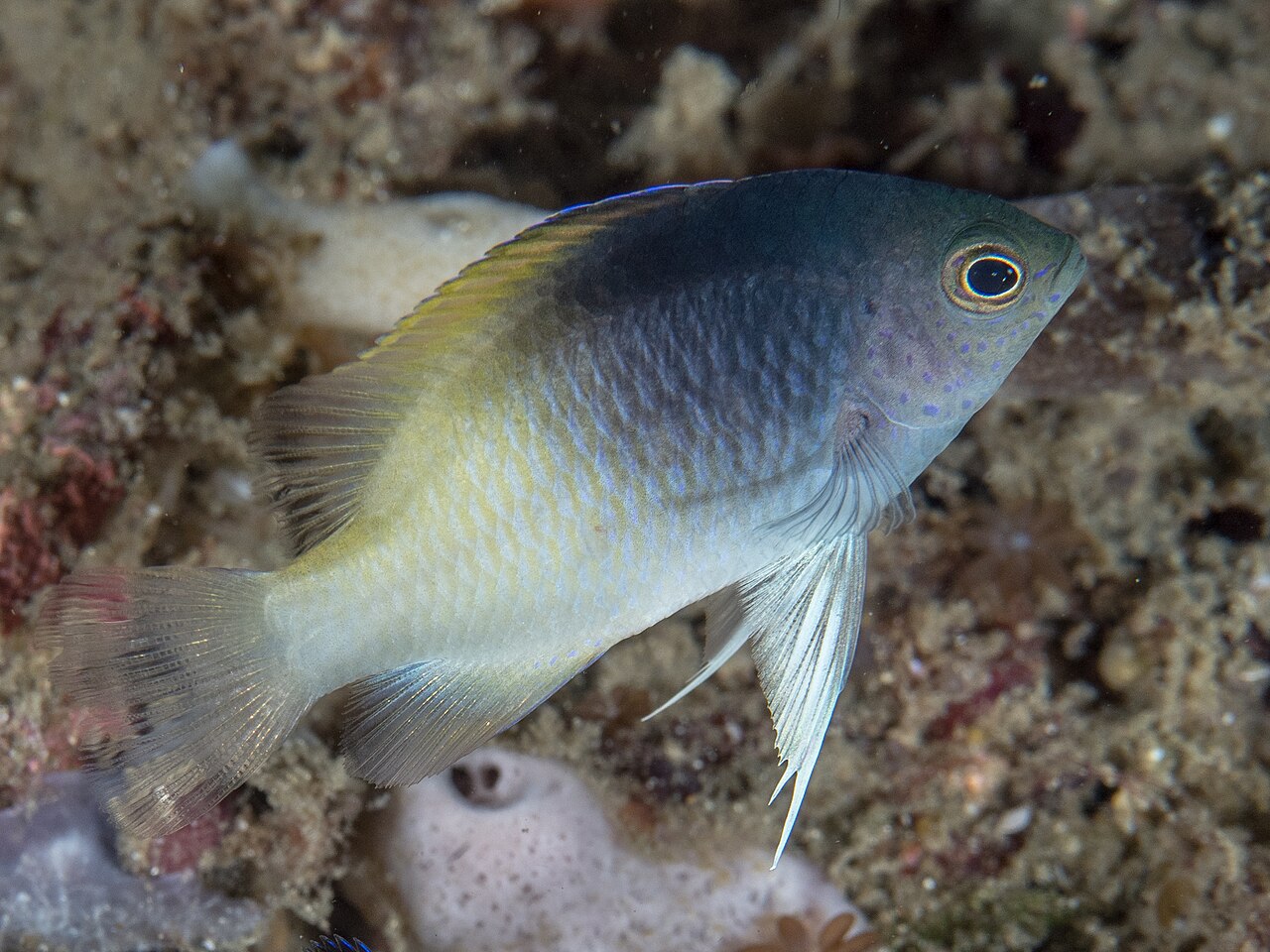
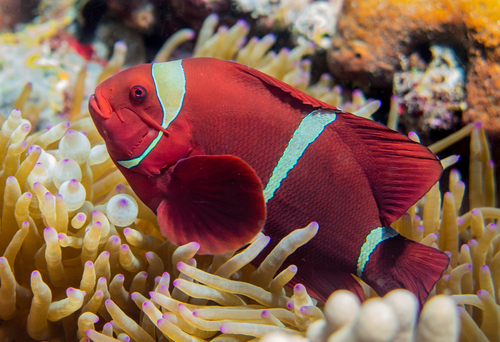
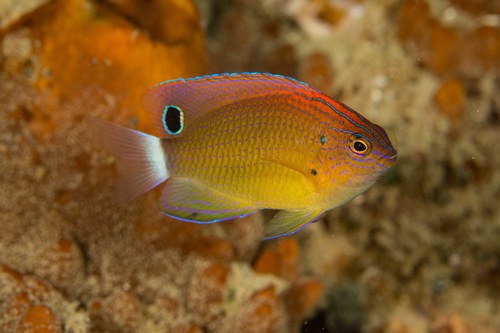
Pomacentrus bankanensis, or the Speckled Damsel, is a captivating species native to the western Pacific Ocean. This small damselfish typically reaches a maximum length of 9 cm, making it an ideal candidate for both novice and experienced aquarists. The species is characterized by its bright coloration, featuring a mix of blue and yellow hues adorned with distinctive speckles, which provide excellent camouflage among the coral reefs and rocky substrates of its natural habitat.
In the wild, the Speckled Damsel is often found in shallow waters, particularly in coral gardens, lagoons, and reef slopes. It thrives in warm, tropical environments, showcasing its preference for areas with abundant hiding spots. This species exhibits a territorial behavior, frequently establishing small territories that it defends from intruders, making it an interesting addition to community aquariums. They are known to be hardy fish, which allows them to adapt well to varying conditions, making them popular among aquarium enthusiasts.
Behaviorally, the Speckled Damsel is quite active, often seen darting in and out of crevices and swimming in small schools. They are social creatures but can become aggressive, especially during breeding periods. This species is also known for its ability to coexist with various fish in larger aquariums, provided that the tank mates are not overly aggressive. Their vibrant colors and dynamic swimming patterns add a lively element to any marine aquarium setup.
Overall, the Speckled Damsel is not just visually appealing but also offers engaging behaviors that enhance the aquarium experience. It serves as a reminder of the beauty of coral reef ecosystems and the importance of marine conservation.
In the wild, the Speckled Damsel is often found in shallow waters, particularly in coral gardens, lagoons, and reef slopes. It thrives in warm, tropical environments, showcasing its preference for areas with abundant hiding spots. This species exhibits a territorial behavior, frequently establishing small territories that it defends from intruders, making it an interesting addition to community aquariums. They are known to be hardy fish, which allows them to adapt well to varying conditions, making them popular among aquarium enthusiasts.
Behaviorally, the Speckled Damsel is quite active, often seen darting in and out of crevices and swimming in small schools. They are social creatures but can become aggressive, especially during breeding periods. This species is also known for its ability to coexist with various fish in larger aquariums, provided that the tank mates are not overly aggressive. Their vibrant colors and dynamic swimming patterns add a lively element to any marine aquarium setup.
Overall, the Speckled Damsel is not just visually appealing but also offers engaging behaviors that enhance the aquarium experience. It serves as a reminder of the beauty of coral reef ecosystems and the importance of marine conservation.
When caring for the Speckled Damsel, maintaining optimal water parameters is crucial. Ideal temperature ranges from 24°C to 28°C, with a salinity of 1.020 to 1.025 ppt. The pH should be kept between 8.1 and 8.4 to mimic their natural environment. A minimum tank size of 100 liters is recommended to provide ample space for swimming and territorial establishment.
Feeding the Speckled Damsel is relatively straightforward, as they are omnivorous. A varied diet consisting of high-quality flake food, frozen or live brine shrimp, and vegetable matter will ensure optimal health. It’s important to feed them several small meals throughout the day rather than one large feeding to promote digestion and prevent aggression over food.
In terms of compatibility, the Speckled Damsel can coexist with a variety of marine fish species. However, caution should be taken with more docile species, as they may be bullied. Acclimation should be done gradually to minimize stress; floating the bag in the tank for 15-20 minutes before introducing the fish is a recommended practice. Quarantine for at least two weeks before introducing them to the main tank can help prevent the spread of diseases.
Feeding the Speckled Damsel is relatively straightforward, as they are omnivorous. A varied diet consisting of high-quality flake food, frozen or live brine shrimp, and vegetable matter will ensure optimal health. It’s important to feed them several small meals throughout the day rather than one large feeding to promote digestion and prevent aggression over food.
In terms of compatibility, the Speckled Damsel can coexist with a variety of marine fish species. However, caution should be taken with more docile species, as they may be bullied. Acclimation should be done gradually to minimize stress; floating the bag in the tank for 15-20 minutes before introducing the fish is a recommended practice. Quarantine for at least two weeks before introducing them to the main tank can help prevent the spread of diseases.
The Speckled Damsel is well-suited for shipping due to its hardiness. Packing density should allow for adequate water circulation and oxygen levels during transport. Maintain a temperature range of 22°C to 26°C during shipping to ensure fish health. As a non-CITES species, there are no specific export restrictions, making it easier for wholesalers to source this vibrant fish.
Species Parameters
Max Adult Size
9.0 cm
Origin
Western Pacific
Diet
omnivore
Temp Min
24.0 °C
Temp Max
28.0 °C
Salinity Min
1.020
Salinity Max
1.025
pH Min
8.10
pH Max
8.40
Min Tank
100 L