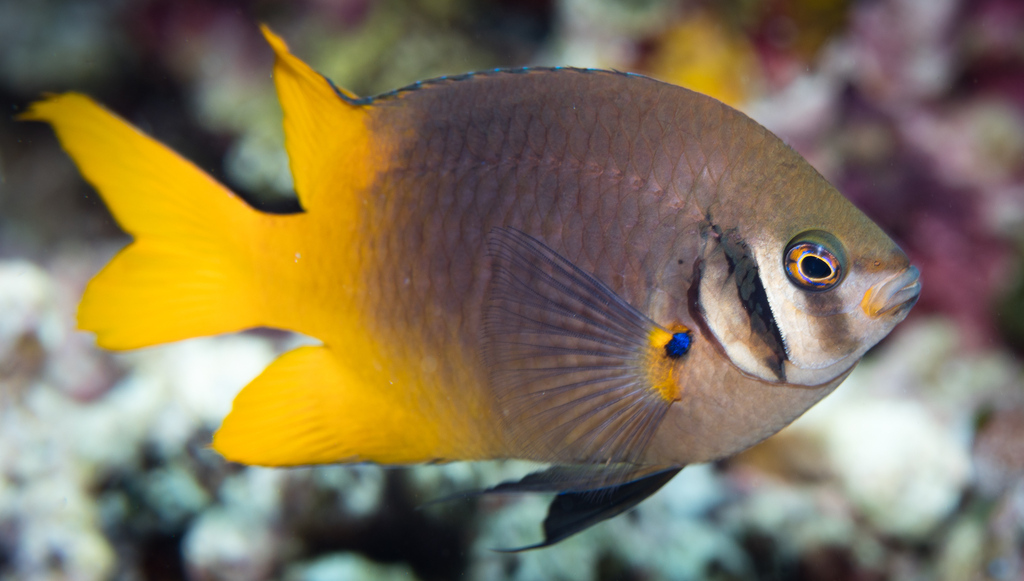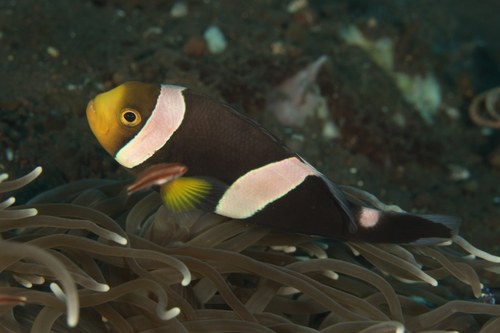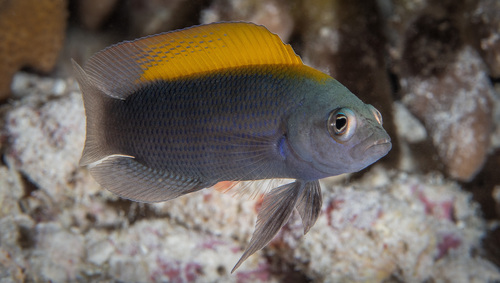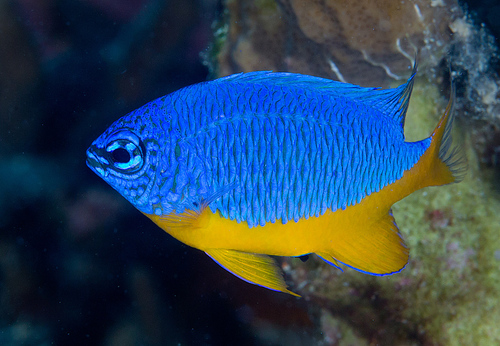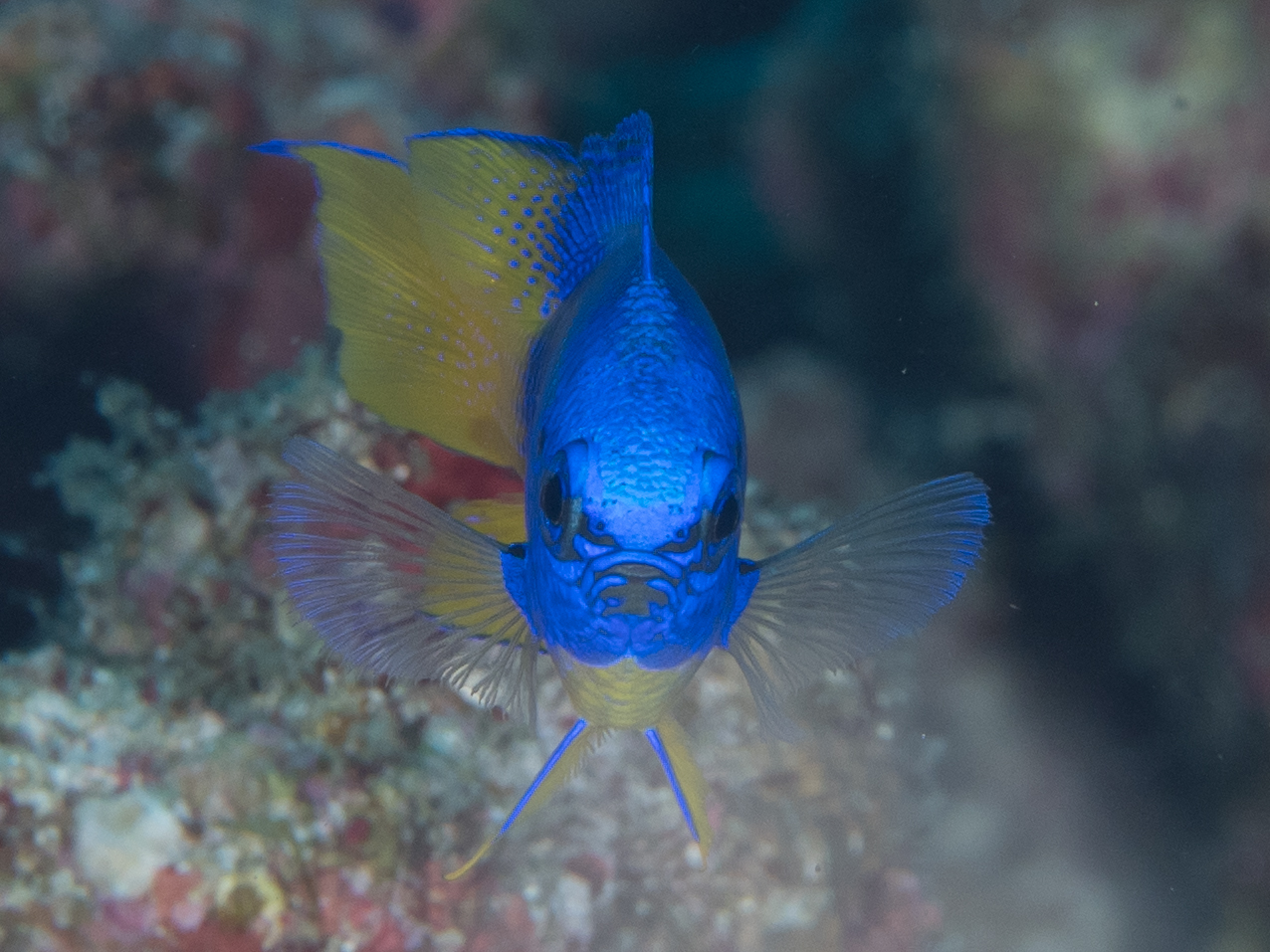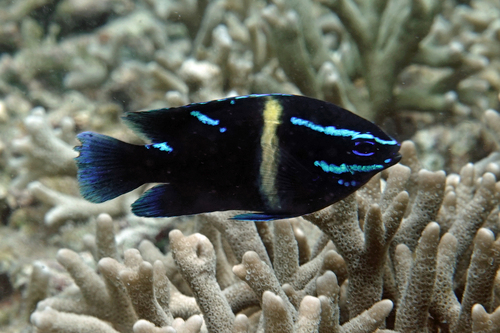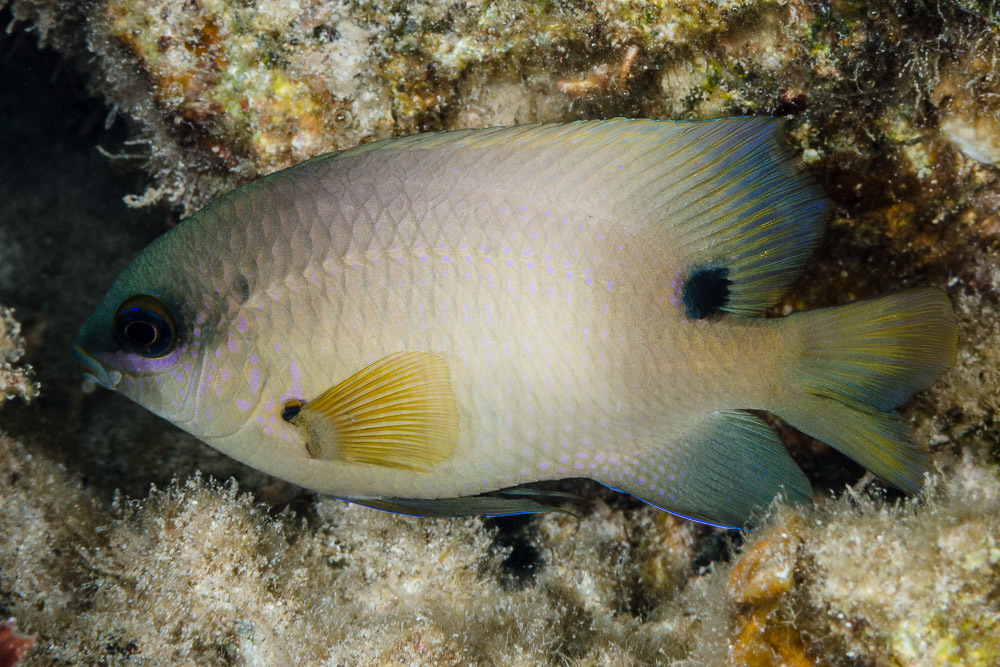
Whitespotted devil/Jewel Damsel
stegastes lacrymatus
In Stock
Common stock
Wild Caught
Moderate care
With Caution
SKU: ML-MF-0162
The Whitespotted devil/Jewel Damsel is a vibrant marine fish known for its striking coloration and resilience.
Pricing for Verified Importers
Log in to see wholesale prices and order.
Export Size
up to 10.0 cm
Origin
Indo-Pacific
Temperature
24.0–28.0°C
Min. Tank Size
100 L
Salinity
20.000–25.000 ppt
pH
8.10–8.40
Diet
omnivore
The Whitespotted devil, also known as the Jewel Damsel (Stegastes lacrymatus), is a captivating marine species native to the coral reefs of the Indo-Pacific region. This fish is characterized by its bright blue and yellow coloration, with distinctive white spots that give it a jewel-like appearance. Adult specimens can reach a maximum size of around 10 cm, making them a suitable choice for both small and larger aquarium setups. Their vibrant colors not only enhance the beauty of a reef aquarium but also serve as a defense mechanism against predators.
In the wild, Whitespotted devils inhabit shallow coral reefs, often found among rock crevices and coral formations. They are known for their territorial behavior, especially when it comes to guarding their nesting sites. Males can often be seen displaying aggressive postures to defend their territory from intruders. This species plays a vital role in maintaining the health of reef ecosystems by grazing on algae, helping to prevent algal overgrowth that can threaten coral health.
Behaviorally, the Whitespotted devil is social and often forms small groups, particularly during breeding seasons. They exhibit interesting behaviors, such as cleaning symbiosis with other marine organisms, which can further enhance their ecological importance. The ability to adapt to various environments, from sheltered lagoons to more exposed reef areas, showcases their versatility as a species.
Overall, the Whitespotted devil is not only visually striking but also ecologically significant, making it a desirable addition for aquarium enthusiasts and professionals alike. Its hardy nature and fascinating behaviors provide an engaging display in marine aquariums, appealing to both novice and experienced aquarists.
In the wild, Whitespotted devils inhabit shallow coral reefs, often found among rock crevices and coral formations. They are known for their territorial behavior, especially when it comes to guarding their nesting sites. Males can often be seen displaying aggressive postures to defend their territory from intruders. This species plays a vital role in maintaining the health of reef ecosystems by grazing on algae, helping to prevent algal overgrowth that can threaten coral health.
Behaviorally, the Whitespotted devil is social and often forms small groups, particularly during breeding seasons. They exhibit interesting behaviors, such as cleaning symbiosis with other marine organisms, which can further enhance their ecological importance. The ability to adapt to various environments, from sheltered lagoons to more exposed reef areas, showcases their versatility as a species.
Overall, the Whitespotted devil is not only visually striking but also ecologically significant, making it a desirable addition for aquarium enthusiasts and professionals alike. Its hardy nature and fascinating behaviors provide an engaging display in marine aquariums, appealing to both novice and experienced aquarists.
To ensure the health and vitality of the Whitespotted devil, specific care guidelines should be followed. Ideal water parameters include a temperature range of 24-28°C, a salinity level of 1.020-1.025 ppt, and a pH level between 8.1 and 8.4. Maintaining stable water conditions is crucial for the well-being of this species, as fluctuations can lead to stress and health issues.
In terms of diet, the Whitespotted devil is an omnivore, thriving on a varied diet that includes high-quality flake foods, pellets, and frozen or live foods such as mysis shrimp and brine shrimp. Regular feeding of a diverse diet will ensure optimal growth and coloration. When considering tank mates, be cautious, as their territorial nature can lead to aggression toward similarly sized or shaped fish. Ideal companions are typically peaceful species that do not compete for territory.
Acclimation is essential when introducing the Whitespotted devil to a new environment. A slow drip acclimation method is recommended to reduce stress and promote a successful transition. Quarantine of new arrivals for at least two weeks is advised to prevent the introduction of diseases into established tanks. This practice helps ensure the overall health of the aquarium ecosystem.
In terms of diet, the Whitespotted devil is an omnivore, thriving on a varied diet that includes high-quality flake foods, pellets, and frozen or live foods such as mysis shrimp and brine shrimp. Regular feeding of a diverse diet will ensure optimal growth and coloration. When considering tank mates, be cautious, as their territorial nature can lead to aggression toward similarly sized or shaped fish. Ideal companions are typically peaceful species that do not compete for territory.
Acclimation is essential when introducing the Whitespotted devil to a new environment. A slow drip acclimation method is recommended to reduce stress and promote a successful transition. Quarantine of new arrivals for at least two weeks is advised to prevent the introduction of diseases into established tanks. This practice helps ensure the overall health of the aquarium ecosystem.
The Whitespotted devil is suitable for live shipping, provided proper care is taken during transport. Packing density should allow for adequate space to minimize stress, ideally one fish per liter of water in a well-oxygenated bag. Temperature sensitivity requires that shipping temperatures remain stable between 24-28°C. Currently, there are no CITES restrictions on this species, making it easier for exporters and importers to comply with regulations.
Species Parameters
Max Adult Size
10.0 cm
Origin
Indo-Pacific
Diet
omnivore
Temp Min
24.0 °C
Temp Max
28.0 °C
Salinity Min
20.000
Salinity Max
25.000
pH Min
8.10
pH Max
8.40
Min Tank
100 L