Mudskippers
periophthalmus
In Stock
Common stock
Wild Caught
Moderate care
With Caution
SKU: ML-MF-0122
Mudskippers are unique amphibious fish that thrive both in water and on land.
Pricing for Verified Importers
Log in to see wholesale prices and order.
Export Size
up to 15.0 cm
Origin
Indo-Pacific
Temperature
24.0–30.0°C
Min. Tank Size
100 L
Salinity
10.000–20.000 ppt
pH
7.50–8.50
Diet
omnivore
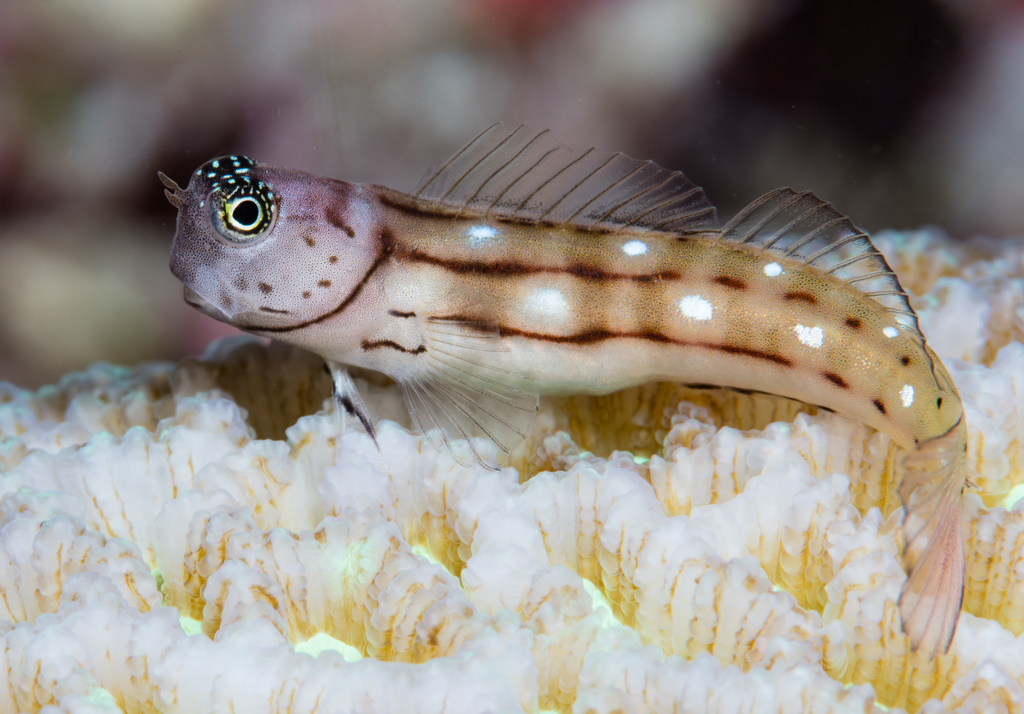
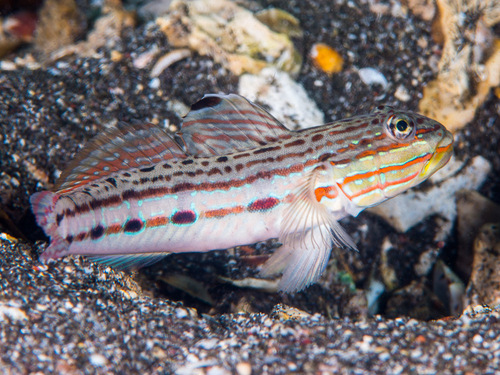
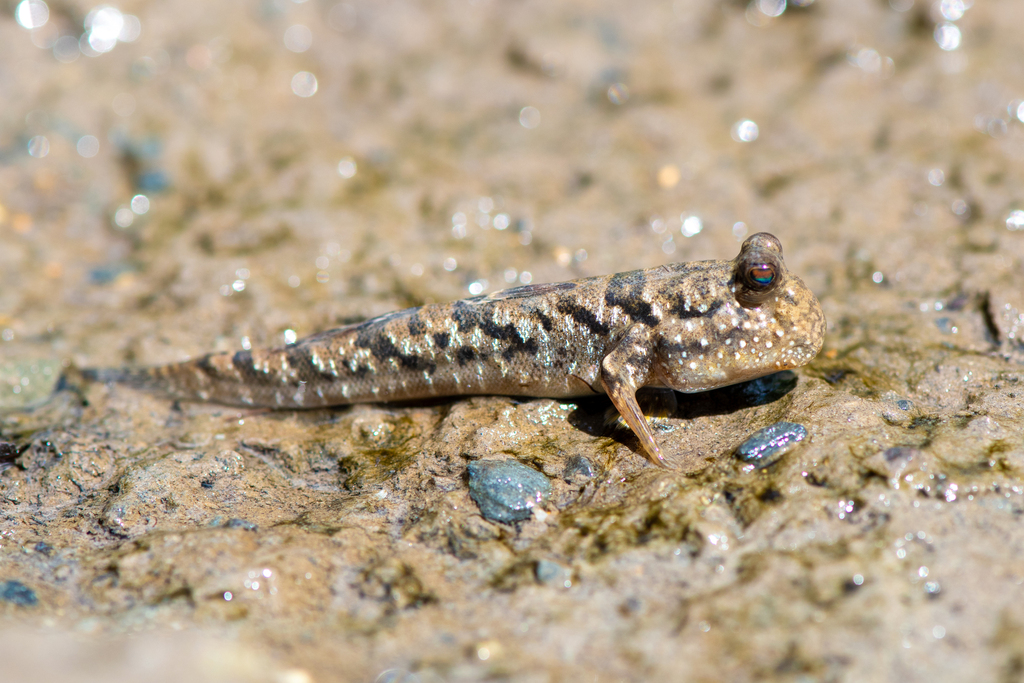
Mudskippers (Periophthalmus) are fascinating marine fish known for their remarkable ability to traverse land, making them an intriguing addition to aquariums. These species are characterized by their elongated bodies, large, protruding eyes, and strong pectoral fins, which they use to 'walk' on muddy surfaces. Their skin has a unique adaptation that allows them to retain moisture, enabling them to survive in their intertidal habitats where they can often be seen basking on mudflats or amongst mangroves.
These fish inhabit brackish waters, particularly in tropical and subtropical regions of the Indo-Pacific. Mudskippers are typically found in estuaries, mangroves, and mudflats, where they play a crucial role in the ecosystem by aerating the soil and contributing to nutrient cycling. Their behavior is equally fascinating, as they engage in social interactions, territorial displays, and even vocalizations, showcasing a complex communication system.
In terms of coloration, mudskippers exhibit a range of hues, often featuring shades of brown, green, and blue, which help them blend into their natural environments. Males tend to be more vibrant during breeding seasons, flaunting brighter colors to attract females. Their unique morphology allows them to be playful and agile, darting between water and land as they search for food or evade predators.
Overall, mudskippers are not only a testament to the adaptability of marine life but also offer a captivating viewing experience for aquarium enthusiasts. Their unique lifestyle and social behaviors provide an educational opportunity for anyone interested in aquatic biology.
These fish inhabit brackish waters, particularly in tropical and subtropical regions of the Indo-Pacific. Mudskippers are typically found in estuaries, mangroves, and mudflats, where they play a crucial role in the ecosystem by aerating the soil and contributing to nutrient cycling. Their behavior is equally fascinating, as they engage in social interactions, territorial displays, and even vocalizations, showcasing a complex communication system.
In terms of coloration, mudskippers exhibit a range of hues, often featuring shades of brown, green, and blue, which help them blend into their natural environments. Males tend to be more vibrant during breeding seasons, flaunting brighter colors to attract females. Their unique morphology allows them to be playful and agile, darting between water and land as they search for food or evade predators.
Overall, mudskippers are not only a testament to the adaptability of marine life but also offer a captivating viewing experience for aquarium enthusiasts. Their unique lifestyle and social behaviors provide an educational opportunity for anyone interested in aquatic biology.
When keeping mudskippers, it's essential to replicate their natural brackish habitat. Ideal water parameters include a salinity level ranging from 10 to 20 ppt and a pH between 7.5 and 8.5. The temperature should be maintained between 24°C to 30°C. A well-aerated tank with a sandy substrate and plenty of hiding spots, such as rock formations or plants, is crucial to mimic their natural environment.
Mudskippers are omnivorous, requiring a varied diet that includes live or frozen foods such as brine shrimp, bloodworms, and finely chopped seafood along with high-quality pellets. Compatibility should be considered carefully, as they can be territorial, especially males during breeding. Keeping them in groups can help reduce aggression, but it’s advisable to provide ample space to avoid confrontations.
Acclimating mudskippers to a new environment should be done slowly, using the drip acclimation method to minimize stress. A quarantine period of at least two weeks is recommended for new arrivals to monitor for any signs of disease and ensure their health before introducing them to the main tank.
Mudskippers are omnivorous, requiring a varied diet that includes live or frozen foods such as brine shrimp, bloodworms, and finely chopped seafood along with high-quality pellets. Compatibility should be considered carefully, as they can be territorial, especially males during breeding. Keeping them in groups can help reduce aggression, but it’s advisable to provide ample space to avoid confrontations.
Acclimating mudskippers to a new environment should be done slowly, using the drip acclimation method to minimize stress. A quarantine period of at least two weeks is recommended for new arrivals to monitor for any signs of disease and ensure their health before introducing them to the main tank.
Mudskippers are suitable for shipping, but care must be taken to maintain appropriate temperature and salinity levels during transit. Packing density should allow for sufficient space to minimize stress, ideally not exceeding 2-3 individuals per liter. They are sensitive to temperature fluctuations, so insulated boxes with heat packs or cold packs may be necessary depending on the season. Currently, mudskippers are not listed under CITES, easing shipping regulations.
Species Parameters
Max Adult Size
15.0 cm
Origin
Indo-Pacific
Diet
omnivore
Temp Min
24.0 °C
Temp Max
30.0 °C
Salinity Min
10.000
Salinity Max
20.000
pH Min
7.50
pH Max
8.50
Min Tank
100 L