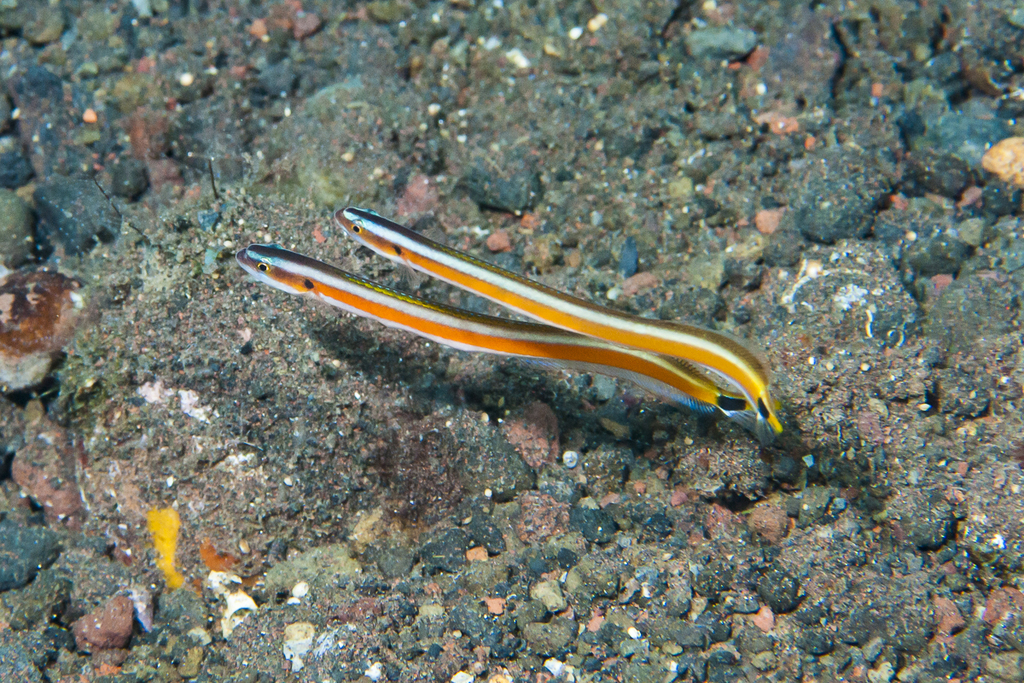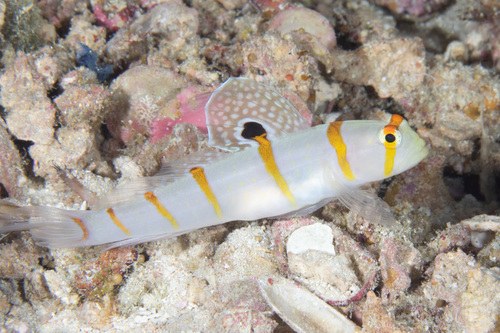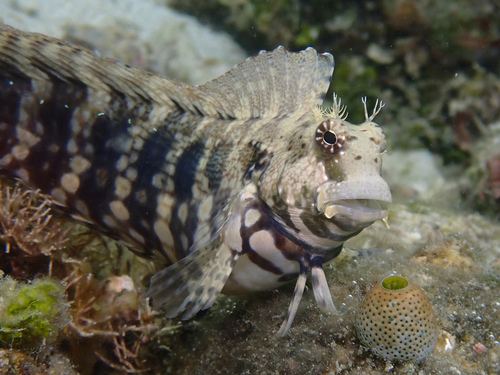
Striped Rock Blenny
Salarias fasciatus
In Stock
Moderate stock
Wild Caught
Moderate care
Reef Safe ✓
SKU: D120
The Striped Rock Blenny is a colorful algae-eater known for its unique camouflage abilities.
Pricing for Verified Importers
Log in to see wholesale prices and order.
Export Size
up to 10.0 cm
Origin
Australasia
Temperature
24.0–28.0°C
Min. Tank Size
100 L
Salinity
1.020–1.025 ppt
pH
8.10–8.40
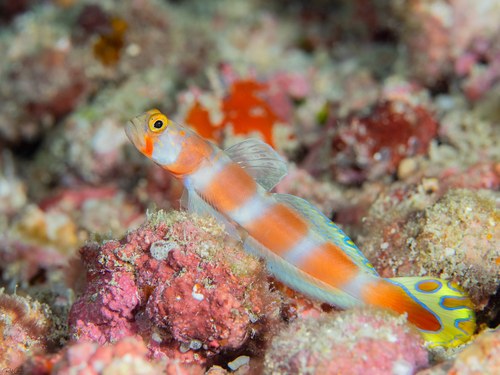
Salarias fasciatus, commonly referred to as the Striped Rock Blenny or lawnmower blenny, is a fascinating marine fish native to Australasia. This species thrives in shallow, warm waters, predominantly inhabiting coral reefs and rocky substrates. Known for its vibrant colors and distinct stripes, it can easily blend into its environment, a tactic it employs to evade predators. The Striped Rock Blenny exhibits remarkable adaptability, often changing its coloration to match its surroundings, enhancing its survival in the wild.
In terms of physical appearance, the Striped Rock Blenny typically displays a combination of green and brown hues, adorned with intricate patterns that help it camouflage effectively. This small fish usually measures up to 10 cm in length and has a robust, elongated body with a distinctive blunt head. Its large, expressive eyes and a small mouth are adapted for its primary feeding strategy, which focuses on grazing on algae and detritus found on the substrate.
Behaviorally, the Striped Rock Blenny is relatively peaceful and can often be seen darting among the rocks and coral, grazing on algae or resting in crevices. They are generally diurnal, becoming more active during daylight hours. Socially, they can be territorial, particularly males who may defend their chosen habitat from intruders. This behavior makes them an interesting choice for aquarists looking to observe dynamic interactions in their tanks.
In their natural habitat, Striped Rock Blennies play a critical role in maintaining the health of reef ecosystems by controlling algae growth. Their diet consists mainly of detritus, with algae accounting for about 15% of their intake. This dietary preference makes them an essential component in reef aquaria, where algae growth can become excessive if not managed properly.
In terms of physical appearance, the Striped Rock Blenny typically displays a combination of green and brown hues, adorned with intricate patterns that help it camouflage effectively. This small fish usually measures up to 10 cm in length and has a robust, elongated body with a distinctive blunt head. Its large, expressive eyes and a small mouth are adapted for its primary feeding strategy, which focuses on grazing on algae and detritus found on the substrate.
Behaviorally, the Striped Rock Blenny is relatively peaceful and can often be seen darting among the rocks and coral, grazing on algae or resting in crevices. They are generally diurnal, becoming more active during daylight hours. Socially, they can be territorial, particularly males who may defend their chosen habitat from intruders. This behavior makes them an interesting choice for aquarists looking to observe dynamic interactions in their tanks.
In their natural habitat, Striped Rock Blennies play a critical role in maintaining the health of reef ecosystems by controlling algae growth. Their diet consists mainly of detritus, with algae accounting for about 15% of their intake. This dietary preference makes them an essential component in reef aquaria, where algae growth can become excessive if not managed properly.
When caring for Striped Rock Blennies, it's crucial to maintain stable water parameters. Ideal temperature ranges from 24°C to 28°C, with a salinity level of 1.020 to 1.025 ppt. The pH should be kept between 8.1 and 8.4 to ensure optimal health. This species is best suited for a minimum tank size of 100 liters, providing ample space for foraging and hiding.
Feeding should primarily consist of high-quality marine algae, spirulina, and prepared foods that include algae-based ingredients. While they are known as lawnmower blennies, it is essential to supplement their diet with detritus and other organic matter to mimic their natural feeding habits. Compatibility is generally favorable, but caution should be taken when introducing them to tanks with aggressive species or other blennies to reduce territorial disputes.
Acclimation should be conducted slowly over several hours to ensure the fish can adapt to the new water conditions effectively. Quarantine is recommended for new arrivals to prevent the spread of any potential diseases. Regular monitoring and maintenance of water quality will further ensure their health and vitality in a captive environment.
Feeding should primarily consist of high-quality marine algae, spirulina, and prepared foods that include algae-based ingredients. While they are known as lawnmower blennies, it is essential to supplement their diet with detritus and other organic matter to mimic their natural feeding habits. Compatibility is generally favorable, but caution should be taken when introducing them to tanks with aggressive species or other blennies to reduce territorial disputes.
Acclimation should be conducted slowly over several hours to ensure the fish can adapt to the new water conditions effectively. Quarantine is recommended for new arrivals to prevent the spread of any potential diseases. Regular monitoring and maintenance of water quality will further ensure their health and vitality in a captive environment.
The Striped Rock Blenny is suitable for shipping, provided they are packed carefully to minimize stress. Packing density should allow for adequate water circulation and space to prevent injury. They are moderately temperature-sensitive; therefore, maintaining a stable temperature between 24°C and 28°C during transit is essential. As a non-CITES listed species, they do not require special permits for export.
Species Parameters
Max Adult Size
10.0 cm
Origin
Australasia
Habitat
reef
Temp Min
24.0 °C
Temp Max
28.0 °C
Salinity Min
1.020
Salinity Max
1.025
pH Min
8.10
pH Max
8.40
Min Tank
100 L