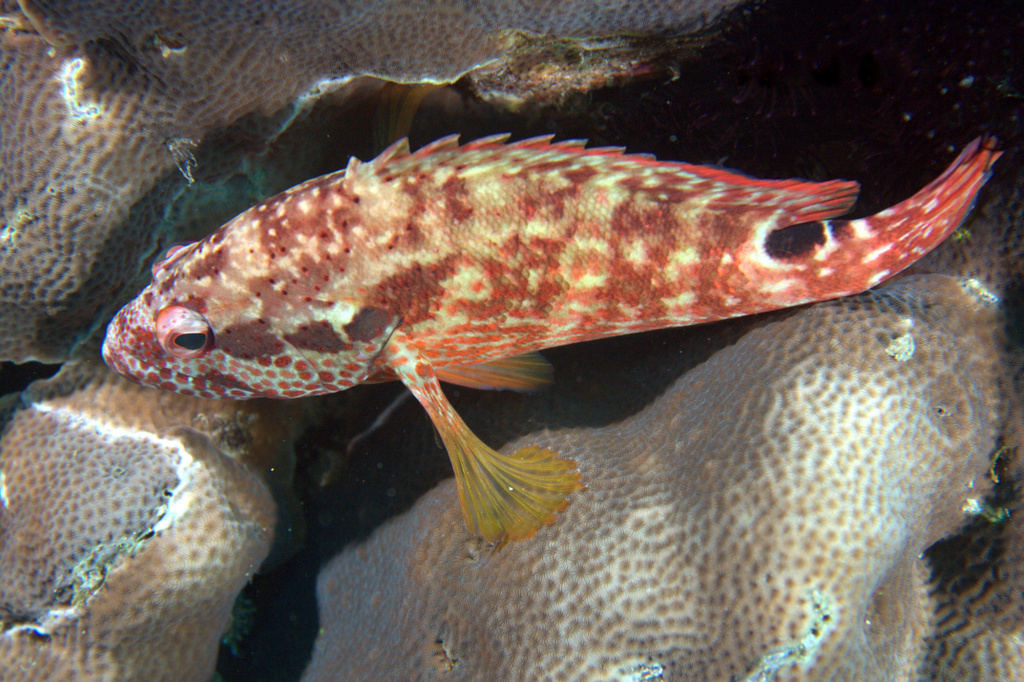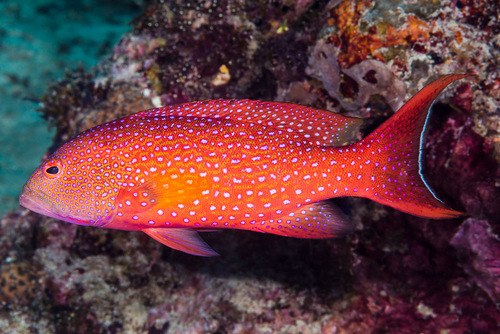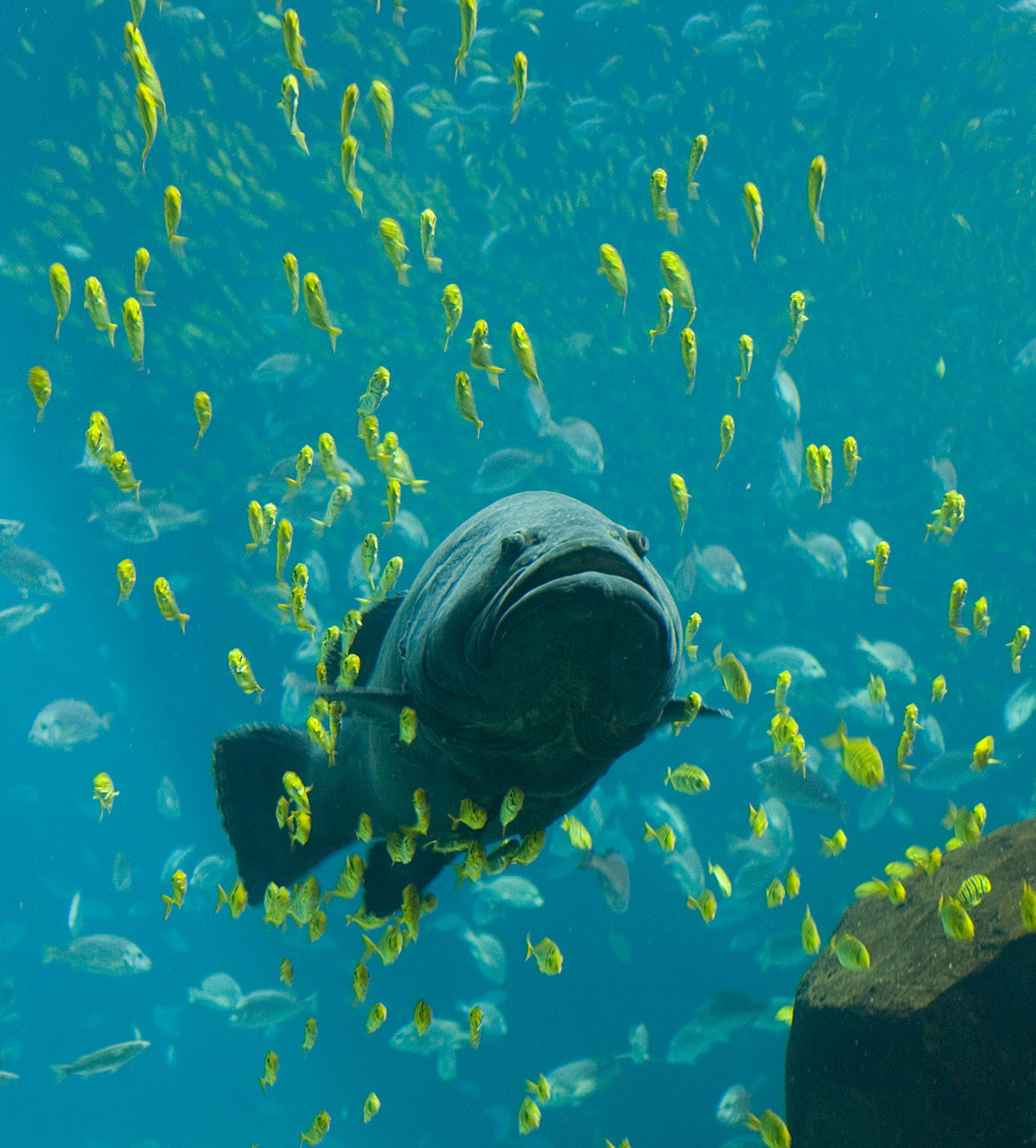
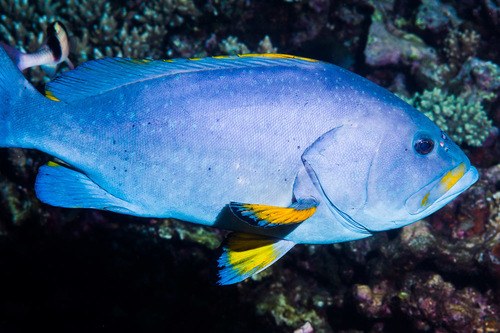
Blue & Yellow Grouper
Epinephelus flavocaeruleus
In Stock
Common stock
Wild Caught
Moderate care
With Caution
SKU: CB-MF-0333
The Blue & Yellow Grouper is a vibrant marine fish known for its striking coloration and adaptability.
Pricing for Verified Importers
Log in to see wholesale prices and order.
Export Size
up to 60.0 cm
Origin
Coral Triangle
Temperature
24.0–28.0°C
Min. Tank Size
400 L
Salinity
1.020–1.025 ppt
pH
8.10–8.40
Diet
carnivore
The Blue & Yellow Grouper (Epinephelus flavocaeruleus) is a stunning marine fish native to the warm waters of the Coral Triangle, specifically found in Indonesia and surrounding regions. This species is easily recognizable due to its brilliant blue and yellow hues, which serve both aesthetic and biological functions. As a member of the Epinephelidae family, it exhibits a robust body shape and can grow up to 60 cm in length. The vibrant colors not only attract aquarists but also play a role in communication and mating rituals within their natural habitats.
In the wild, Blue & Yellow Groupers inhabit coral reefs and rocky substrates, where they seek shelter and ambush prey. Their diet primarily consists of smaller fish and invertebrates, making them skilled hunters of their underwater domain. These groupers are typically solitary or found in small groups, exhibiting territorial behavior, especially during breeding seasons. Their adaptability to varying environments contributes to their success as a species, allowing them to thrive in diverse conditions.
Behaviorally, Blue & Yellow Groupers are known for their curious nature and can be quite interactive when kept in aquariums. They require ample space to roam and explore, as well as hiding spots to feel secure. Their striking appearance and engaging behavior make them a popular choice among aquarium enthusiasts and commercial importers alike, adding significant value to any marine collection.
Overall, the Blue & Yellow Grouper's unique characteristics and dynamic presence highlight its suitability for both display and ecological balance in reef systems, making it a sought-after species in the aquatic trade.
In the wild, Blue & Yellow Groupers inhabit coral reefs and rocky substrates, where they seek shelter and ambush prey. Their diet primarily consists of smaller fish and invertebrates, making them skilled hunters of their underwater domain. These groupers are typically solitary or found in small groups, exhibiting territorial behavior, especially during breeding seasons. Their adaptability to varying environments contributes to their success as a species, allowing them to thrive in diverse conditions.
Behaviorally, Blue & Yellow Groupers are known for their curious nature and can be quite interactive when kept in aquariums. They require ample space to roam and explore, as well as hiding spots to feel secure. Their striking appearance and engaging behavior make them a popular choice among aquarium enthusiasts and commercial importers alike, adding significant value to any marine collection.
Overall, the Blue & Yellow Grouper's unique characteristics and dynamic presence highlight its suitability for both display and ecological balance in reef systems, making it a sought-after species in the aquatic trade.
When caring for Blue & Yellow Groupers in an aquarium setting, maintaining optimal water parameters is crucial for their health and well-being. Ideal temperature ranges between 24°C to 28°C, with a salinity level of 1.020 to 1.025 ppt. Regular monitoring of pH is recommended, ideally kept between 8.1 and 8.4. It is essential to provide a minimum tank size of 400 liters to accommodate their active swimming behavior and territorial nature.
Feeding these carnivorous fish requires a varied diet consisting of high-quality pellets, frozen or live foods such as shrimp, small fish, and other seafood. Regular feeding schedules, ideally twice a day, will ensure their nutritional needs are met. Compatibility with other species should be approached with caution, as they can exhibit aggressive behavior towards similar-sized fish. It is advisable to introduce them into a community tank with care, ensuring the presence of suitable tank mates.
Acclimation is a critical step when introducing Blue & Yellow Groupers to a new aquarium. Gradually acclimate them over a period of several hours, allowing them to adapt to the new water parameters. Quarantine procedures are strongly recommended for any new arrivals to prevent the spread of disease in your main tank. A quarantine period of at least two weeks will help ensure that the fish are healthy and free from parasites before they are added to the main display.
Feeding these carnivorous fish requires a varied diet consisting of high-quality pellets, frozen or live foods such as shrimp, small fish, and other seafood. Regular feeding schedules, ideally twice a day, will ensure their nutritional needs are met. Compatibility with other species should be approached with caution, as they can exhibit aggressive behavior towards similar-sized fish. It is advisable to introduce them into a community tank with care, ensuring the presence of suitable tank mates.
Acclimation is a critical step when introducing Blue & Yellow Groupers to a new aquarium. Gradually acclimate them over a period of several hours, allowing them to adapt to the new water parameters. Quarantine procedures are strongly recommended for any new arrivals to prevent the spread of disease in your main tank. A quarantine period of at least two weeks will help ensure that the fish are healthy and free from parasites before they are added to the main display.
Blue & Yellow Groupers are suitable for shipping, provided they are packed securely to minimize stress during transit. Optimal packing density should allow for adequate space and water circulation. Temperature sensitivity requires maintaining water temperature between 24°C to 28°C during shipping. As a non-CITES listed species, there are no additional export restrictions, making them a viable option for wholesalers and retailers.
Species Parameters
Max Adult Size
60.0 cm
Origin
Coral Triangle
Diet
carnivore
Temp Min
24.0 °C
Temp Max
28.0 °C
Salinity Min
1.020
Salinity Max
1.025
pH Min
8.10
pH Max
8.40
Min Tank
400 L