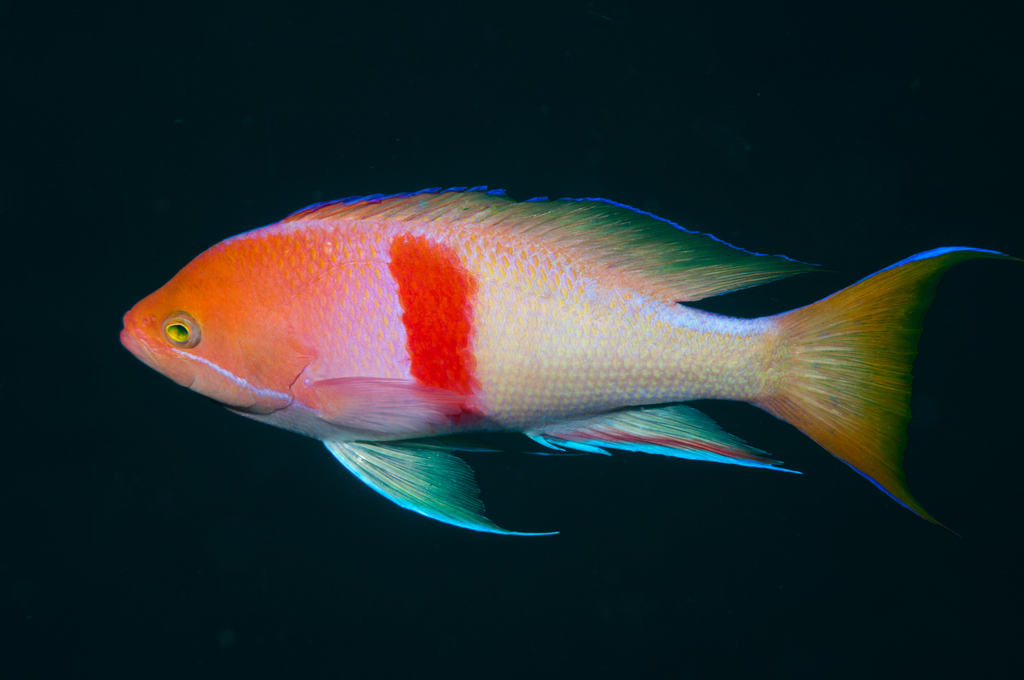
Red-belted anthias/Redband Anthias
pseudanthias rubrizonatus
In Stock
Common stock
Wild Caught
Moderate care
With Caution
SKU: ML-MF-0063
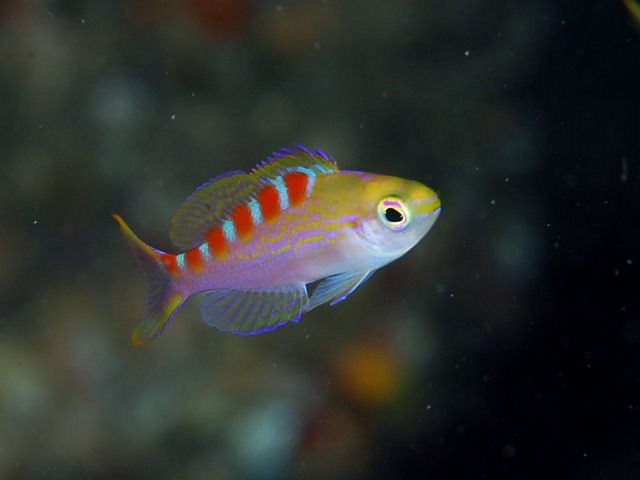
The Red-belted anthias captivates with its vibrant colors and lively behavior.
Pricing for Verified Importers
Log in to see wholesale prices and order.
Export Size
up to 12.0 cm
Origin
Indo-Pacific
Temperature
24.0–28.0°C
Min. Tank Size
200 L
Salinity
35.000–35.000 ppt
pH
8.10–8.40
Diet
carnivore
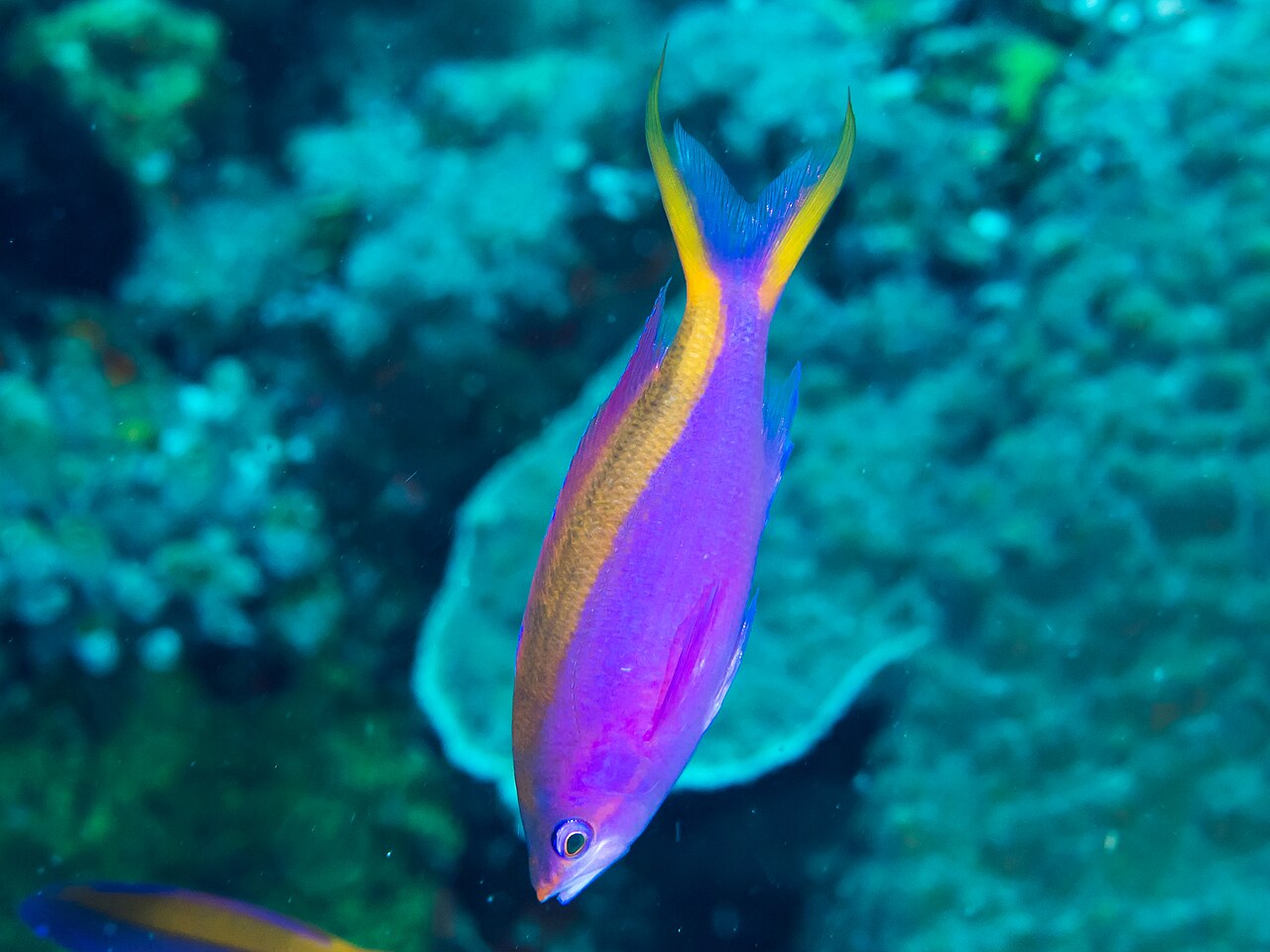
The Red-belted anthias, scientifically known as Pseudanthias rubrizonatus, is a striking marine fish found primarily in the coral reefs of the Indo-Pacific region. This species is celebrated for its vivid coloration, featuring a bright pink to orange body with distinctive red or purple bands across its sides, making it a popular choice for aquarium enthusiasts. Its vibrant hues are not only visually appealing but also play a role in social interactions among groups in the wild.
In their natural habitat, Red-belted anthias are typically found at depths ranging from 20 to 50 meters, often in areas with rich coral structures that provide shelter and foraging opportunities. They are social fish, usually observed in harems where one male is accompanied by several females. This social structure is crucial for their breeding behavior and contributes to their dynamic presence in the aquarium trade. Their active swimming style and playful nature make them a fascinating addition to any marine aquarium.
Behaviorally, these fish are known for their territorial instincts, particularly the males, which exhibit vibrant colors to attract females and ward off rivals. They thrive in well-maintained environments that mimic their natural coral reef habitat, where they can exhibit their natural behaviors and social structures. Providing ample swimming space and hiding spots will enhance their well-being in captivity.
Overall, the Red-belted anthias is not just a feast for the eyes; it plays an essential role in the ecosystem of coral reefs, contributing to the overall health and balance of marine life. Their stunning appearances and dynamic behaviors make them a prized species for importers and wholesalers alike.
In their natural habitat, Red-belted anthias are typically found at depths ranging from 20 to 50 meters, often in areas with rich coral structures that provide shelter and foraging opportunities. They are social fish, usually observed in harems where one male is accompanied by several females. This social structure is crucial for their breeding behavior and contributes to their dynamic presence in the aquarium trade. Their active swimming style and playful nature make them a fascinating addition to any marine aquarium.
Behaviorally, these fish are known for their territorial instincts, particularly the males, which exhibit vibrant colors to attract females and ward off rivals. They thrive in well-maintained environments that mimic their natural coral reef habitat, where they can exhibit their natural behaviors and social structures. Providing ample swimming space and hiding spots will enhance their well-being in captivity.
Overall, the Red-belted anthias is not just a feast for the eyes; it plays an essential role in the ecosystem of coral reefs, contributing to the overall health and balance of marine life. Their stunning appearances and dynamic behaviors make them a prized species for importers and wholesalers alike.
To successfully care for Red-belted anthias, it is crucial to replicate their natural habitat as closely as possible. Ideal water parameters include a temperature range of 24-28°C, a salinity level between 1.020 and 1.025 ppt, and a pH of 8.1 to 8.4. Regular water quality testing and maintenance will help ensure a stable environment, vital for their health and well-being.
Feeding these fish requires a varied diet to meet their nutritional needs. A combination of high-quality marine flakes, pellets, and live or frozen foods such as brine shrimp and mysis shrimp is recommended. Offering small, frequent feedings will mimic their natural grazing behavior and promote optimal growth and health.
When introducing Red-belted anthias into a community tank, it is essential to ensure compatibility with other species. They can be semi-aggressive, particularly males, so it’s advisable to provide sufficient space and hiding spots. Acclimation should be gradual; use a drip acclimation method to minimize stress. Quarantine new arrivals for at least two weeks to monitor for any signs of illness before introducing them to the main tank.
Overall, with the right care and environment, Red-belted anthias can thrive in captivity, displaying their vibrant colors and lively behavior for years.
Feeding these fish requires a varied diet to meet their nutritional needs. A combination of high-quality marine flakes, pellets, and live or frozen foods such as brine shrimp and mysis shrimp is recommended. Offering small, frequent feedings will mimic their natural grazing behavior and promote optimal growth and health.
When introducing Red-belted anthias into a community tank, it is essential to ensure compatibility with other species. They can be semi-aggressive, particularly males, so it’s advisable to provide sufficient space and hiding spots. Acclimation should be gradual; use a drip acclimation method to minimize stress. Quarantine new arrivals for at least two weeks to monitor for any signs of illness before introducing them to the main tank.
Overall, with the right care and environment, Red-belted anthias can thrive in captivity, displaying their vibrant colors and lively behavior for years.
The Red-belted anthias is suitable for shipping due to its robust nature. When packing, ensure adequate space to prevent overcrowding, typically one fish per liter of water. Maintain a temperature range of 23-26°C during transit to reduce stress. While not listed under CITES, proper handling and transportation practices are crucial to ensure the health and survival of these fish during shipping.
Species Parameters
Max Adult Size
12.0 cm
Origin
Indo-Pacific
Diet
carnivore
Temp Min
24.0 °C
Temp Max
28.0 °C
Salinity Min
35.000
Salinity Max
35.000
pH Min
8.10
pH Max
8.40
Min Tank
200 L