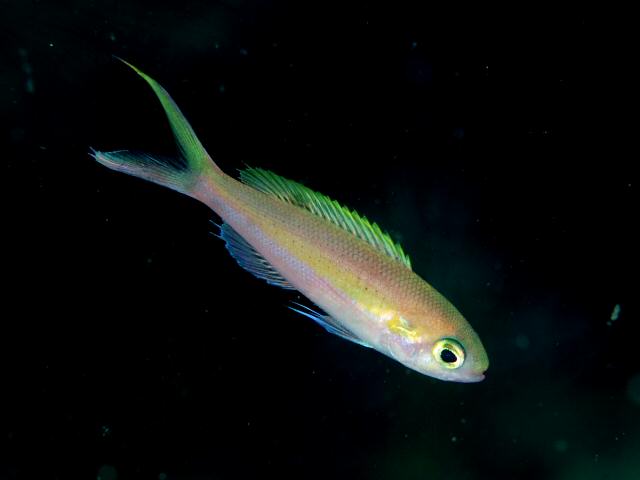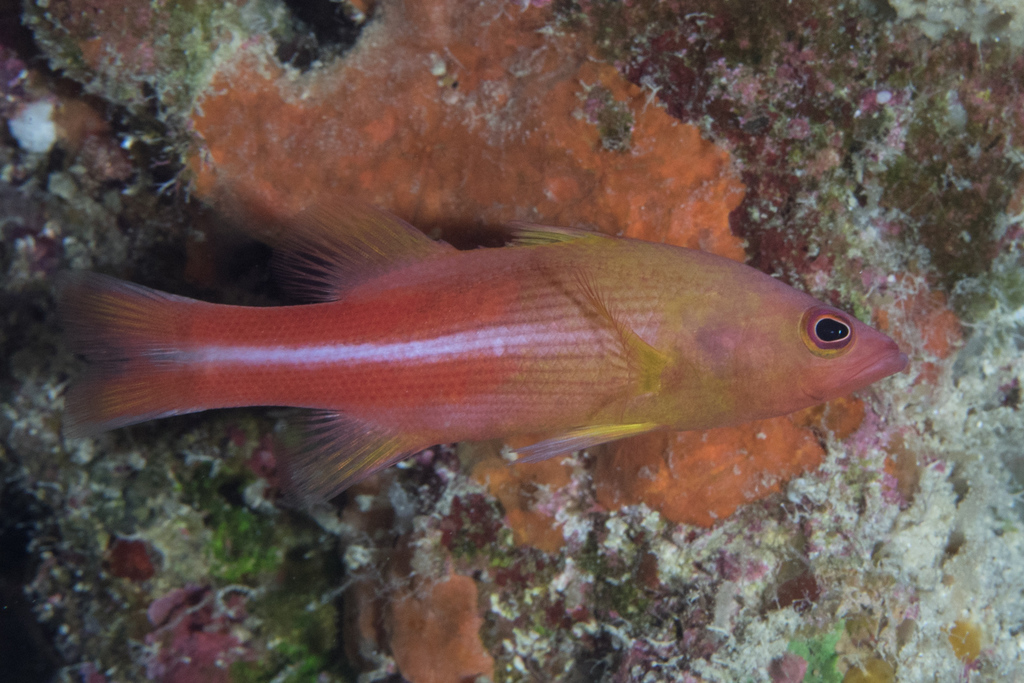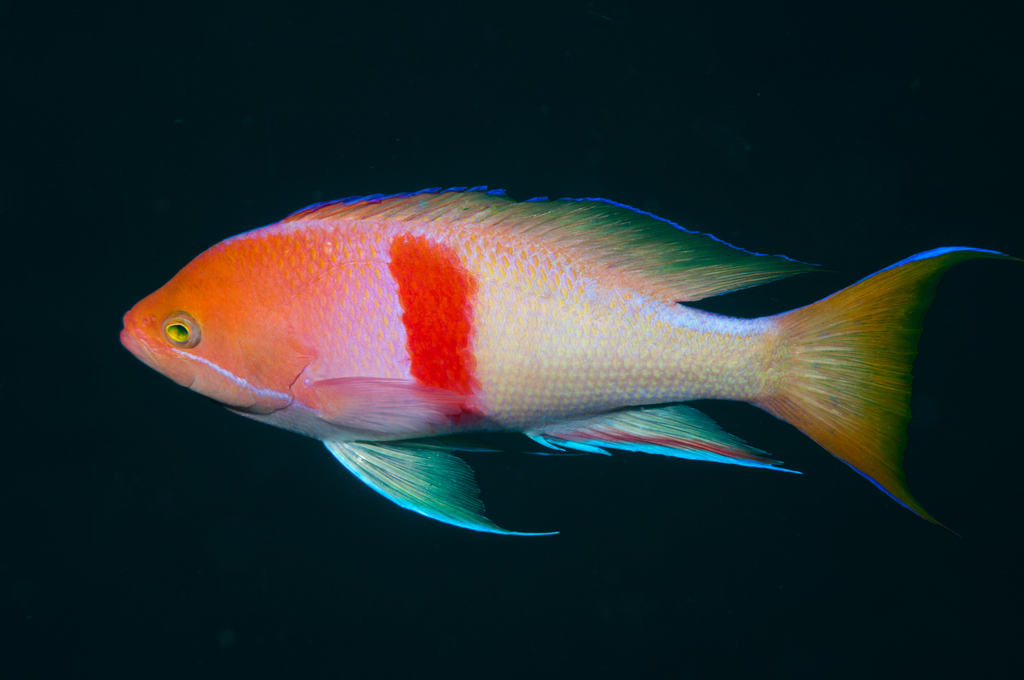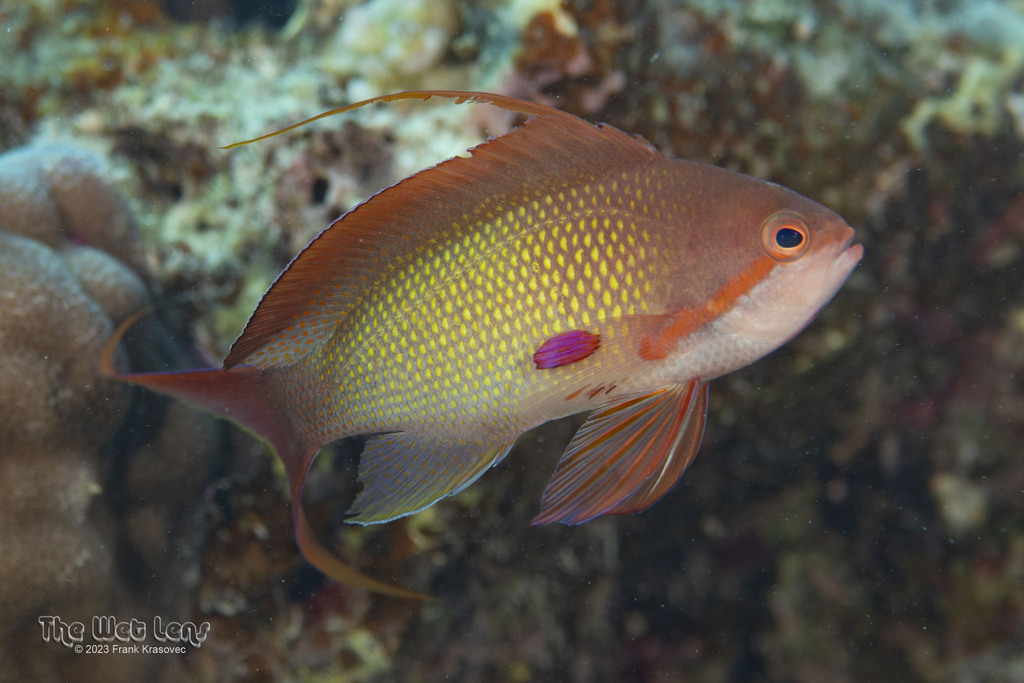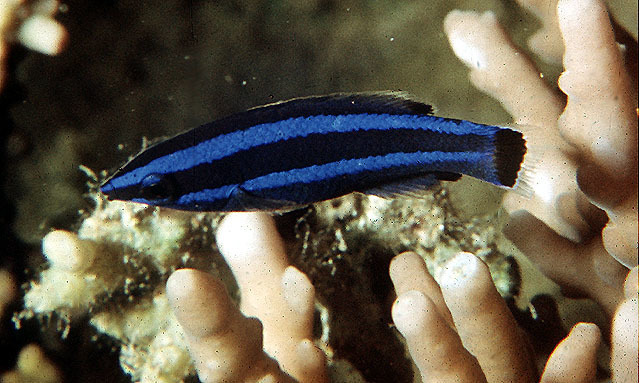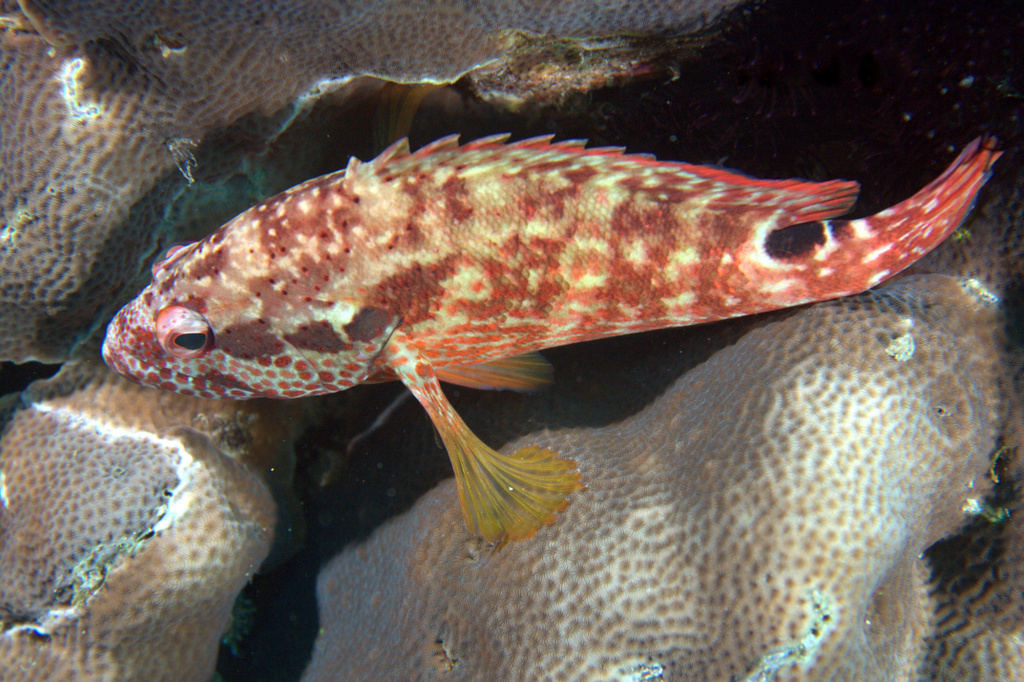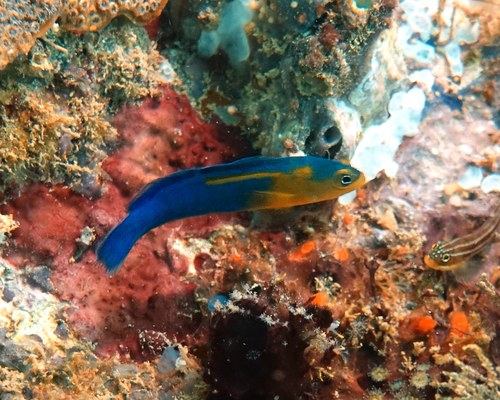
Red Tailed Panther
Pseudochromis cyanotaenia
In Stock
Common stock
Wild Caught
Moderate care
With Caution
SKU: CB-MF-0325
The Red Tailed Panther is a striking marine fish known for its vibrant colors and unique behavior.
Pricing for Verified Importers
Log in to see wholesale prices and order.
Export Size
up to 10.0 cm
Origin
Indo-Pacific
Temperature
24.0–28.0°C
Min. Tank Size
150 L
Salinity
1.020–1.025 ppt
pH
8.10–8.40
Diet
carnivore
The Red Tailed Panther (Pseudochromis cyanotaenia) is a captivating marine fish native to the coral reefs of the Indo-Pacific region. This species is celebrated for its vivid coloration, featuring a bright blue body with a striking red tail that makes it a standout addition to any aquarium. Typically found in shallow waters, the Red Tailed Panther is an active swimmer, often seen darting among the coral structures where it establishes its territory.
In terms of behavior, the Red Tailed Panther is known to be somewhat territorial, especially as it matures. Males are particularly aggressive during breeding season, which is characterized by elaborate courtship displays. Their social structure can vary, with some individuals exhibiting solitary behaviors while others thrive in small groups. This fish is also known for its inquisitive nature, often exploring its surroundings and displaying an array of colors when stimulated or threatened.
The natural habitat of the Red Tailed Panther includes coral reefs, lagoons, and rocky substrates, where it finds shelter from predators. It is primarily found at depths ranging from 5 to 30 meters. The health of coral reefs is crucial for their survival, as they rely on these ecosystems not only for shelter but also for food sources, such as small invertebrates that they hunt in the nooks and crannies of their environment.
Overall, the Red Tailed Panther is not only an aesthetically pleasing fish but also an essential part of its marine ecosystem, contributing to the biodiversity of the coral reefs it inhabits.
In terms of behavior, the Red Tailed Panther is known to be somewhat territorial, especially as it matures. Males are particularly aggressive during breeding season, which is characterized by elaborate courtship displays. Their social structure can vary, with some individuals exhibiting solitary behaviors while others thrive in small groups. This fish is also known for its inquisitive nature, often exploring its surroundings and displaying an array of colors when stimulated or threatened.
The natural habitat of the Red Tailed Panther includes coral reefs, lagoons, and rocky substrates, where it finds shelter from predators. It is primarily found at depths ranging from 5 to 30 meters. The health of coral reefs is crucial for their survival, as they rely on these ecosystems not only for shelter but also for food sources, such as small invertebrates that they hunt in the nooks and crannies of their environment.
Overall, the Red Tailed Panther is not only an aesthetically pleasing fish but also an essential part of its marine ecosystem, contributing to the biodiversity of the coral reefs it inhabits.
For importers and retailers, providing the right care for the Red Tailed Panther is essential to ensure their health and longevity in captivity. The ideal water parameters for this species include a temperature range of 24-28°C, a salinity of 1.020-1.025 ppt, and a pH level between 8.1 and 8.4. A minimum tank size of 150 liters is recommended to allow for ample swimming space and territory establishment.
Feeding the Red Tailed Panther requires a varied diet; they are primarily carnivorous and thrive on high-quality frozen or live foods such as brine shrimp, mysis shrimp, and small fish. It is advisable to feed them multiple times a day in small portions to mimic their natural foraging behavior. In terms of compatibility, they can be kept with other reef-safe fish, but caution should be taken when introducing new tankmates, as they can display aggression towards similar species.
Acclimation is crucial when introducing the Red Tailed Panther to a new tank. A slow acclimation process over several hours will help reduce stress and the risk of shock. Quarantine is also recommended before introducing them to a display tank, as this allows for monitoring and treatment of any potential health issues. This careful approach to care will ensure a healthy and vibrant specimen in any aquarium setting.
Feeding the Red Tailed Panther requires a varied diet; they are primarily carnivorous and thrive on high-quality frozen or live foods such as brine shrimp, mysis shrimp, and small fish. It is advisable to feed them multiple times a day in small portions to mimic their natural foraging behavior. In terms of compatibility, they can be kept with other reef-safe fish, but caution should be taken when introducing new tankmates, as they can display aggression towards similar species.
Acclimation is crucial when introducing the Red Tailed Panther to a new tank. A slow acclimation process over several hours will help reduce stress and the risk of shock. Quarantine is also recommended before introducing them to a display tank, as this allows for monitoring and treatment of any potential health issues. This careful approach to care will ensure a healthy and vibrant specimen in any aquarium setting.
The Red Tailed Panther is suitable for shipping due to its hardy nature, but care must be taken to maintain stable conditions during transit. Packing density should be moderate to reduce stress, and temperatures should be kept between 22-26°C. This species is not listed under CITES, allowing for easier export and trade, but adherence to local regulations is still essential.
Species Parameters
Max Adult Size
10.0 cm
Origin
Indo-Pacific
Diet
carnivore
Temp Min
24.0 °C
Temp Max
28.0 °C
Salinity Min
1.020
Salinity Max
1.025
pH Min
8.10
pH Max
8.40
Min Tank
150 L