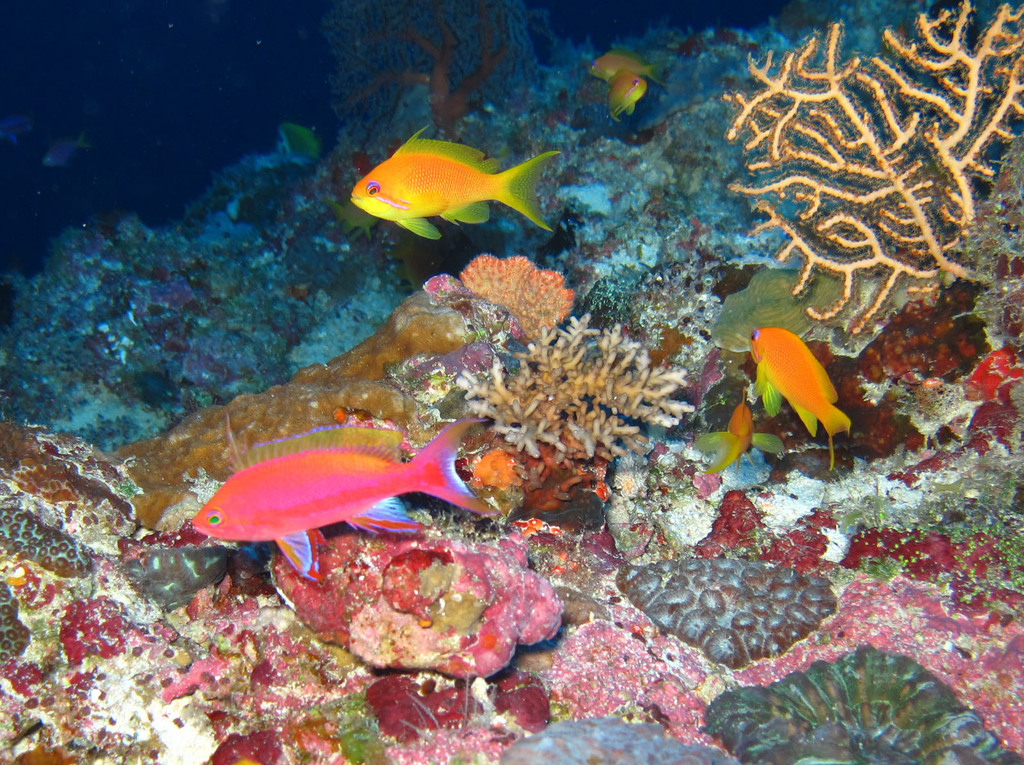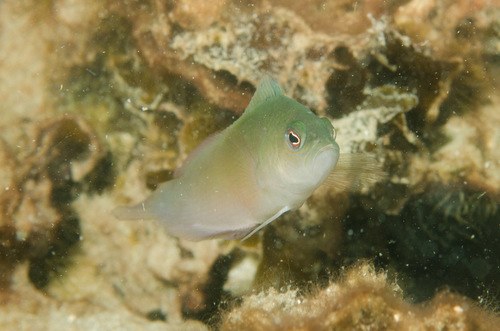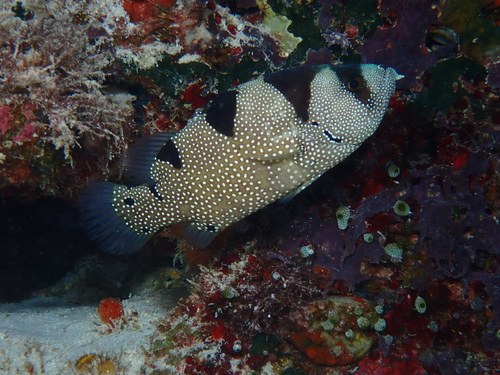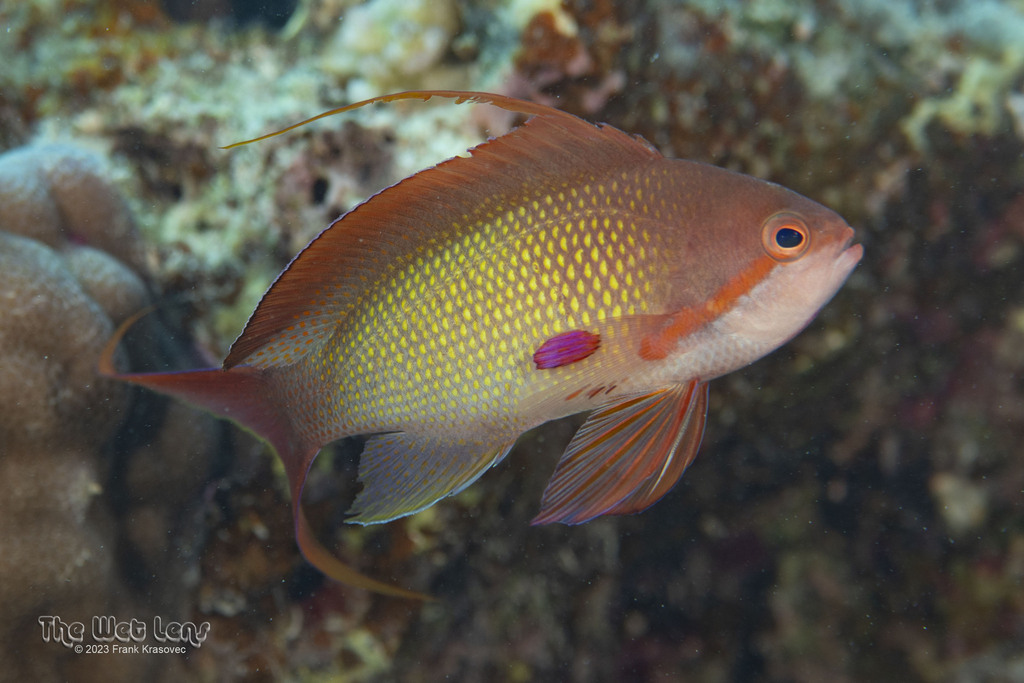
Sea goldie/Lyretail, Red Male Yellow Breast
pseudanthias squamipinnis male
In Stock
Common stock
Wild Caught
Moderate care
With Caution
SKU: ML-MF-0069
The Sea Goldie is a stunning marine fish known for its vibrant colors and dynamic schooling behavior.
Pricing for Verified Importers
Log in to see wholesale prices and order.
Export Size
up to 10.0 cm
Origin
Indo-Pacific
Temperature
24.0–28.0°C
Min. Tank Size
200 L
Salinity
1.020–1.025 ppt
pH
8.10–8.40
Diet
carnivore
Pseudanthias squamipinnis, commonly known as the Sea Goldie or Lyretail, is a captivating species found predominantly in the Indo-Pacific region. This species is easily recognized by the males' striking red coloration on the upper body, complemented by a brilliant yellow breast and a distinctive lyre-shaped tail. Females and juveniles exhibit a more subdued coloration, featuring a yellowish body with a hint of pink, which provides effective camouflage among coral reefs. The vivid display of colors in males is not only a sign of health but also plays a crucial role in attracting mates during the breeding season.
In terms of behavior, Sea Goldies are known for their social structure, often forming large schools in their natural habitat. They are typically found at depths of 10 to 40 meters over coral reefs, where they thrive in the warm, clear waters. Their diet primarily consists of zooplankton, which they capture in mid-water during their active feeding periods. This species exhibits a unique reproductive behavior, with females frequently engaging in spawning events that contribute to the genetic diversity of their populations.
The habitat of the Sea Goldie is essential for their survival; they prefer areas rich in coral cover and plenty of shelter from predators. As such, they are an important ecological component of reef systems, contributing to the overall health and stability of these underwater environments. Their presence indicates a thriving reef ecosystem, making them a favorite among divers and marine enthusiasts alike.
Overall, the Sea Goldie is not just a beautiful fish but also a vital part of its marine ecosystem. Their vibrant colors and social nature make them a sought-after species for aquarium enthusiasts, adding a splash of color and life to any marine display.
In terms of behavior, Sea Goldies are known for their social structure, often forming large schools in their natural habitat. They are typically found at depths of 10 to 40 meters over coral reefs, where they thrive in the warm, clear waters. Their diet primarily consists of zooplankton, which they capture in mid-water during their active feeding periods. This species exhibits a unique reproductive behavior, with females frequently engaging in spawning events that contribute to the genetic diversity of their populations.
The habitat of the Sea Goldie is essential for their survival; they prefer areas rich in coral cover and plenty of shelter from predators. As such, they are an important ecological component of reef systems, contributing to the overall health and stability of these underwater environments. Their presence indicates a thriving reef ecosystem, making them a favorite among divers and marine enthusiasts alike.
Overall, the Sea Goldie is not just a beautiful fish but also a vital part of its marine ecosystem. Their vibrant colors and social nature make them a sought-after species for aquarium enthusiasts, adding a splash of color and life to any marine display.
When caring for Pseudanthias squamipinnis, it is crucial to maintain stable water parameters to ensure their health and well-being. Ideal water temperature should range between 24°C to 28°C, with a salinity level of 1.020 to 1.025 ppt. The pH should be maintained between 8.1 and 8.4, providing a suitable environment for their natural habitat. A minimum tank size of 200 liters is recommended to accommodate the schooling behavior of this species.
Feeding Sea Goldies requires a varied diet to promote optimal health. They thrive on high-quality flakes, pellets, and frozen foods such as brine shrimp and mysis shrimp. It is advisable to feed them multiple times a day in small amounts to ensure they receive adequate nutrition. Compatibility-wise, Sea Goldies are generally peaceful and do well in a mixed reef environment, but care should be taken to avoid aggressive species that could stress them.
Acclimation is crucial for reducing stress during transport. It is recommended to acclimate them slowly over several hours, using the drip acclimation method to gradually introduce them to the new tank conditions. Quarantine is highly advised before introducing them to the main tank, allowing for observation and treatment of any potential diseases. This ensures that they remain healthy and do not introduce any pathogens to the existing aquarium population.
Feeding Sea Goldies requires a varied diet to promote optimal health. They thrive on high-quality flakes, pellets, and frozen foods such as brine shrimp and mysis shrimp. It is advisable to feed them multiple times a day in small amounts to ensure they receive adequate nutrition. Compatibility-wise, Sea Goldies are generally peaceful and do well in a mixed reef environment, but care should be taken to avoid aggressive species that could stress them.
Acclimation is crucial for reducing stress during transport. It is recommended to acclimate them slowly over several hours, using the drip acclimation method to gradually introduce them to the new tank conditions. Quarantine is highly advised before introducing them to the main tank, allowing for observation and treatment of any potential diseases. This ensures that they remain healthy and do not introduce any pathogens to the existing aquarium population.
The Sea Goldie is suitable for shipping, provided proper care is taken during the packing process. Fish should be packed in breathable bags with adequate oxygen and water to ensure their safety during transit. It is essential to maintain a stable temperature between 22°C and 26°C during shipping to prevent stress. CITES status for this species is not applicable, allowing for smooth export processes from Indonesia without additional regulatory concerns.
Species Parameters
Max Adult Size
10.0 cm
Origin
Indo-Pacific
Diet
carnivore
Temp Min
24.0 °C
Temp Max
28.0 °C
Salinity Min
1.020
Salinity Max
1.025
pH Min
8.10
pH Max
8.40
Min Tank
200 L