Starry dragonet/Scooter Red/scooter blenny
synchiropus stellatus
In Stock
Common stock
Wild Caught
Moderate care
With Caution
SKU: ML-MF-0117
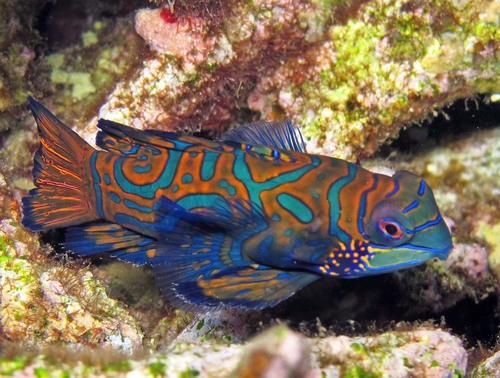
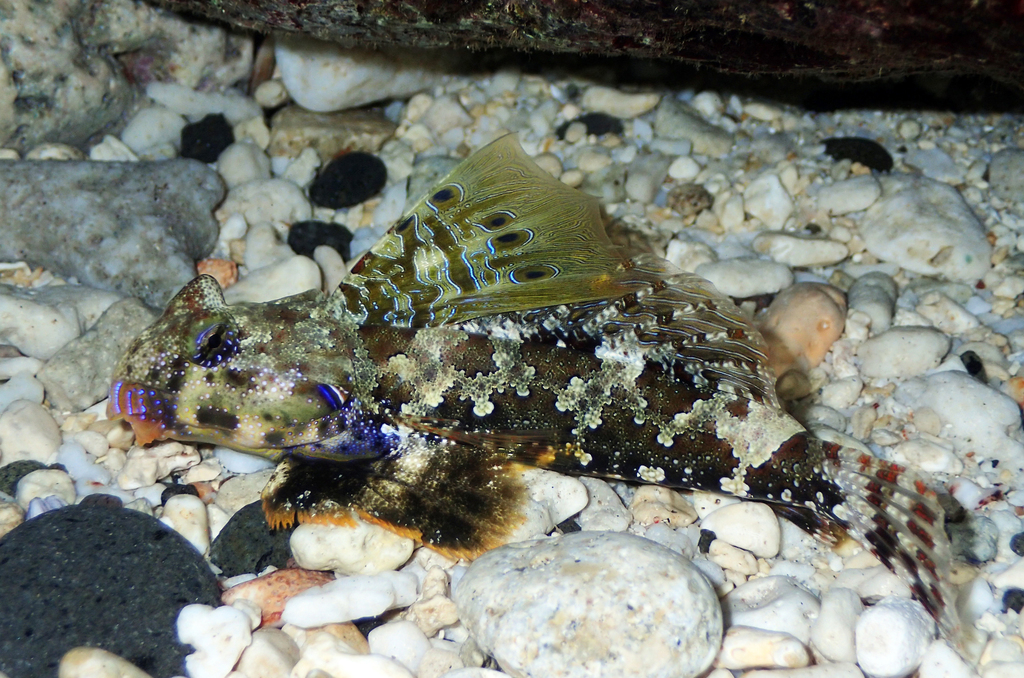
The Starry dragonet is a stunning marine fish known for its vibrant colors and unique patterns.
Pricing for Verified Importers
Log in to see wholesale prices and order.
Export Size
up to 8.0 cm
Origin
Indo-Pacific
Temperature
24.0–28.0°C
Min. Tank Size
100 L
Salinity
1.020–1.025 ppt
pH
8.10–8.40
Diet
carnivore
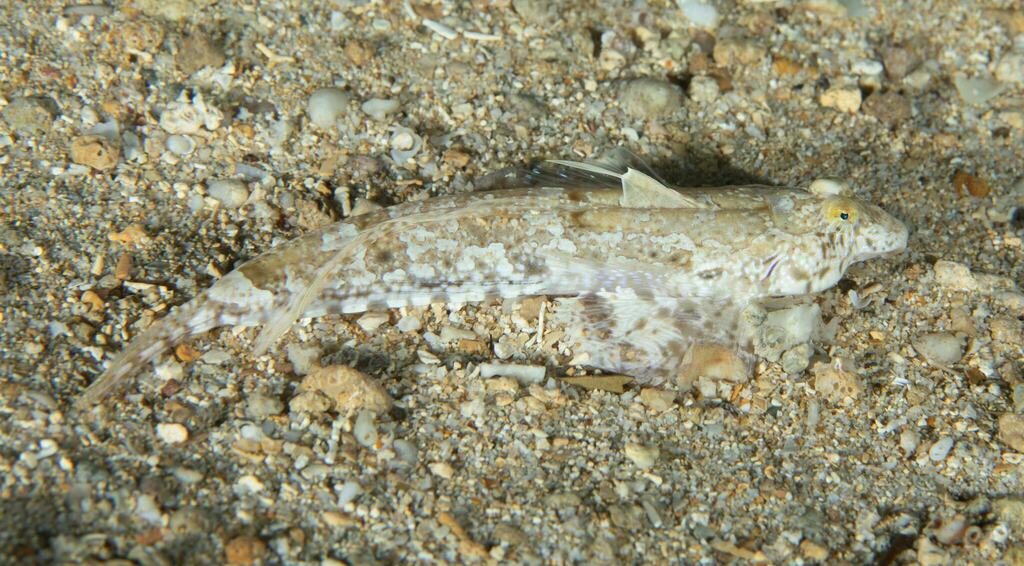
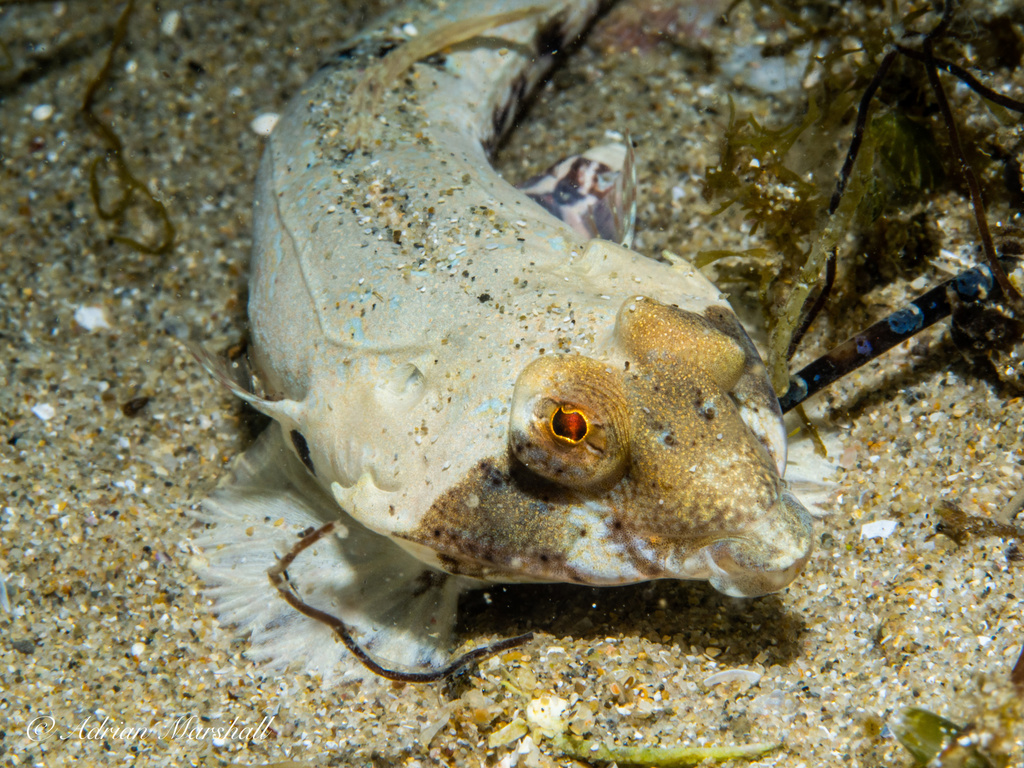
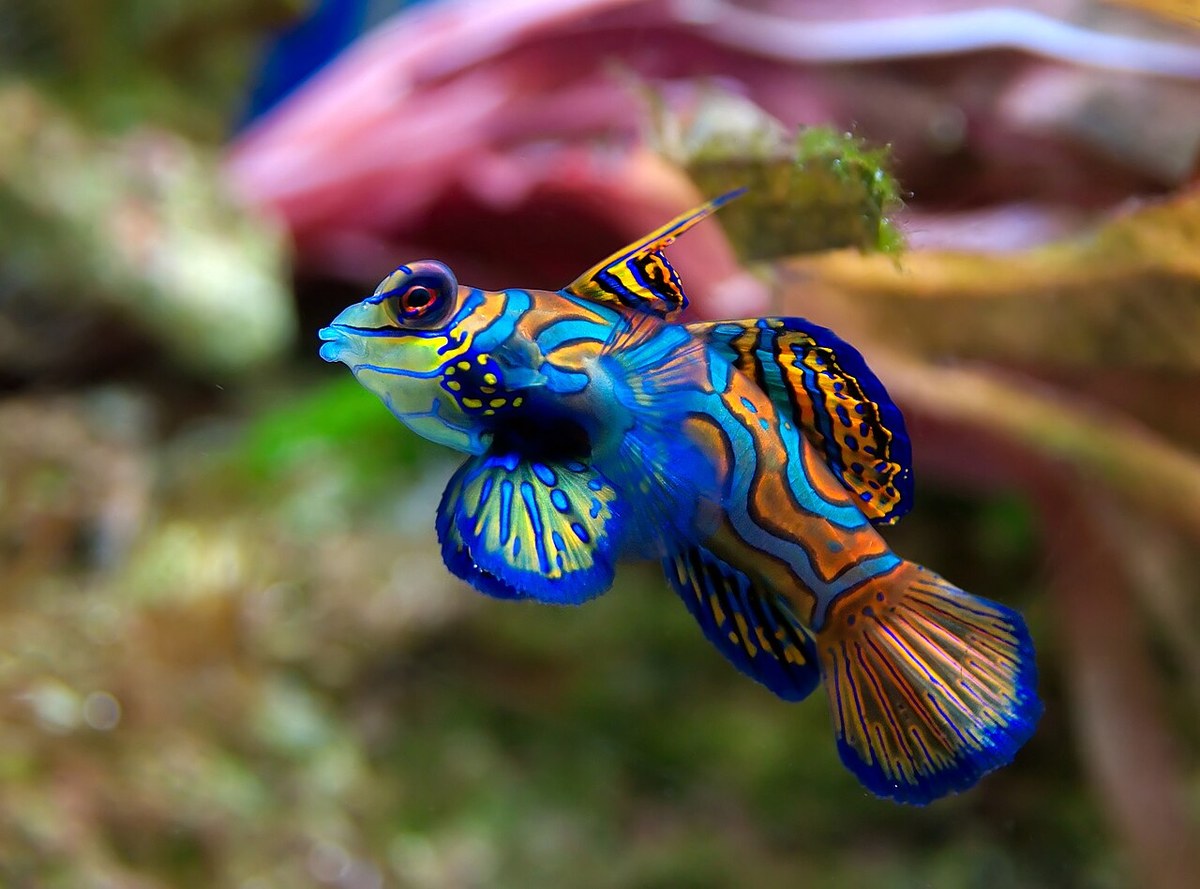
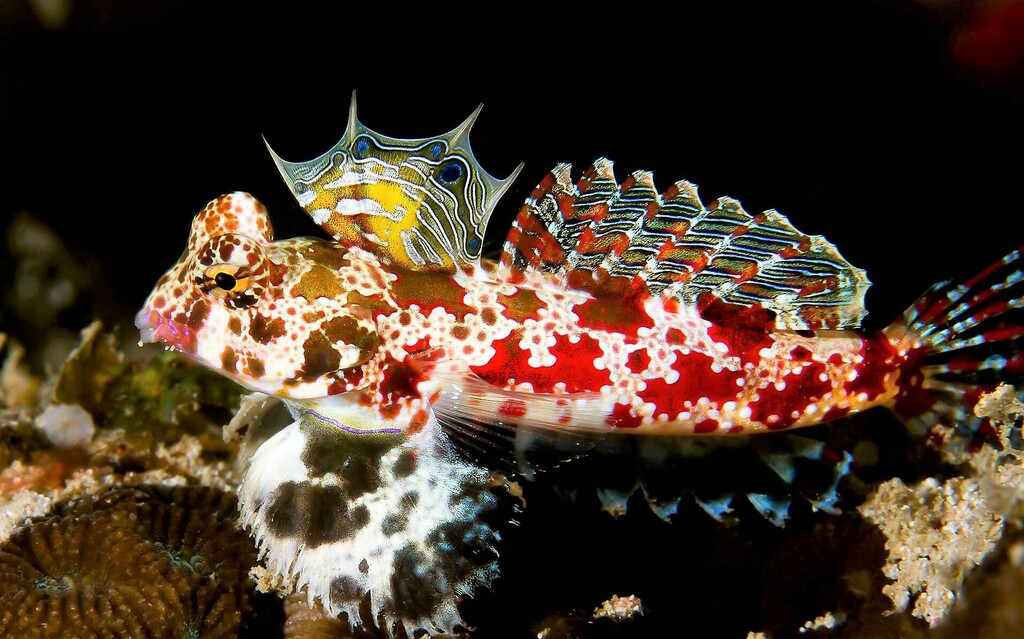
The Starry dragonet, scientifically known as Synchiropus stellatus, is a captivating marine fish native to the coral reefs of the Indo-Pacific region. This species is easily recognized by its bright blue body adorned with intricate patterns of orange and yellow spots, which provide excellent camouflage among the reef's colorful corals. The Starry dragonet typically reaches a maximum size of around 8 cm, making it a suitable inhabitant for smaller marine aquariums.
In its natural habitat, the Starry dragonet is often found in shallow waters, usually at depths of 1 to 30 meters. It prefers sandy substrates where it can forage for food and hide from predators. This species is known for its unique locomotion; instead of swimming like most fish, it uses its pectoral fins to 'walk' along the substrate, a behavior that adds to its charm and appeal in the aquarium trade.
Behaviorally, the Starry dragonet is generally peaceful and tends to be shy, often hiding among rocks and corals. It is best kept in a well-structured aquarium with plenty of hiding spots to reduce stress. Although it can coexist with a variety of tank mates, care should be taken to avoid aggressive species that may harass it.
Overall, the Starry dragonet is not just visually appealing but also an intriguing addition to any marine aquarium, making it a popular choice among aquarists looking for unique and colorful inhabitants.
In its natural habitat, the Starry dragonet is often found in shallow waters, usually at depths of 1 to 30 meters. It prefers sandy substrates where it can forage for food and hide from predators. This species is known for its unique locomotion; instead of swimming like most fish, it uses its pectoral fins to 'walk' along the substrate, a behavior that adds to its charm and appeal in the aquarium trade.
Behaviorally, the Starry dragonet is generally peaceful and tends to be shy, often hiding among rocks and corals. It is best kept in a well-structured aquarium with plenty of hiding spots to reduce stress. Although it can coexist with a variety of tank mates, care should be taken to avoid aggressive species that may harass it.
Overall, the Starry dragonet is not just visually appealing but also an intriguing addition to any marine aquarium, making it a popular choice among aquarists looking for unique and colorful inhabitants.
To ensure the health and well-being of the Starry dragonet, it is essential to maintain specific water parameters. A stable temperature between 24°C and 28°C, salinity levels around 1.020 to 1.025 ppt, and a pH range of 8.1 to 8.4 are ideal. This species thrives in well-filtered water with good circulation, so a high-quality filtration system is recommended.
Feeding the Starry dragonet can be challenging, as it has a specialized diet that primarily consists of small live foods such as copepods and amphipods. In captivity, it can also be trained to accept high-quality frozen foods and pellets specifically designed for carnivorous fish. Regular feeding, ideally multiple times a day, is crucial for maintaining its health and vibrant coloration.
Compatibility is key when housing the Starry dragonet; it is best kept in a community tank with non-aggressive species. It is advisable to avoid housing it with larger fish that may view it as prey. Acclimation should be done slowly to minimize stress, ideally using the drip method over several hours.
Quarantine is recommended for new arrivals to prevent the introduction of diseases into the main tank. A quarantine period of at least two weeks allows for observation and treatment if necessary.
Feeding the Starry dragonet can be challenging, as it has a specialized diet that primarily consists of small live foods such as copepods and amphipods. In captivity, it can also be trained to accept high-quality frozen foods and pellets specifically designed for carnivorous fish. Regular feeding, ideally multiple times a day, is crucial for maintaining its health and vibrant coloration.
Compatibility is key when housing the Starry dragonet; it is best kept in a community tank with non-aggressive species. It is advisable to avoid housing it with larger fish that may view it as prey. Acclimation should be done slowly to minimize stress, ideally using the drip method over several hours.
Quarantine is recommended for new arrivals to prevent the introduction of diseases into the main tank. A quarantine period of at least two weeks allows for observation and treatment if necessary.
The Starry dragonet is suitable for shipping under controlled conditions. It is sensitive to temperature fluctuations, so maintaining a stable temperature between 24°C and 26°C during transport is vital. Packing density should allow for adequate space and circulation; typically, one fish per liter is recommended. This species is not listed under CITES, easing export regulations.
Species Parameters
Max Adult Size
8.0 cm
Origin
Indo-Pacific
Diet
carnivore
Temp Min
24.0 °C
Temp Max
28.0 °C
Salinity Min
1.020
Salinity Max
1.025
pH Min
8.10
pH Max
8.40
Min Tank
100 L