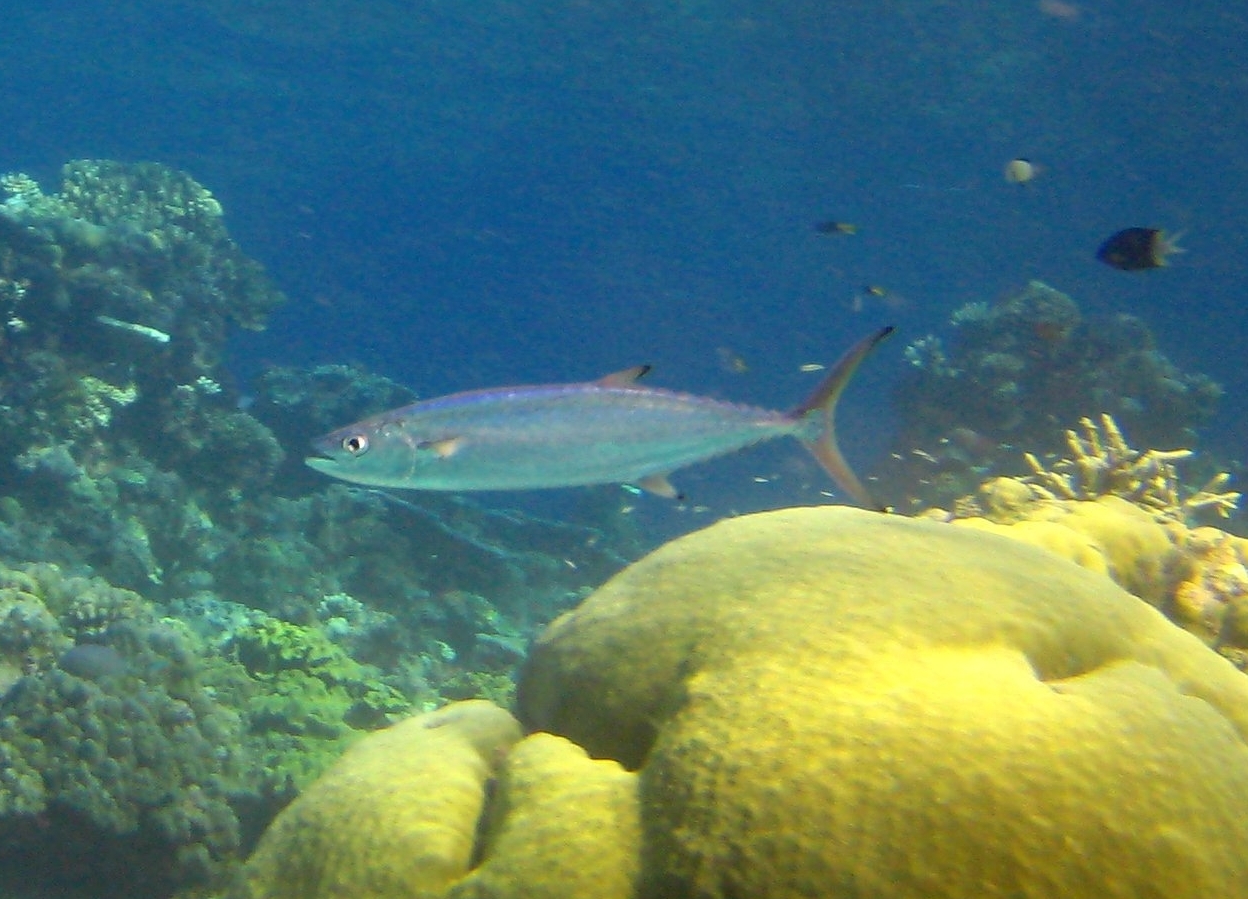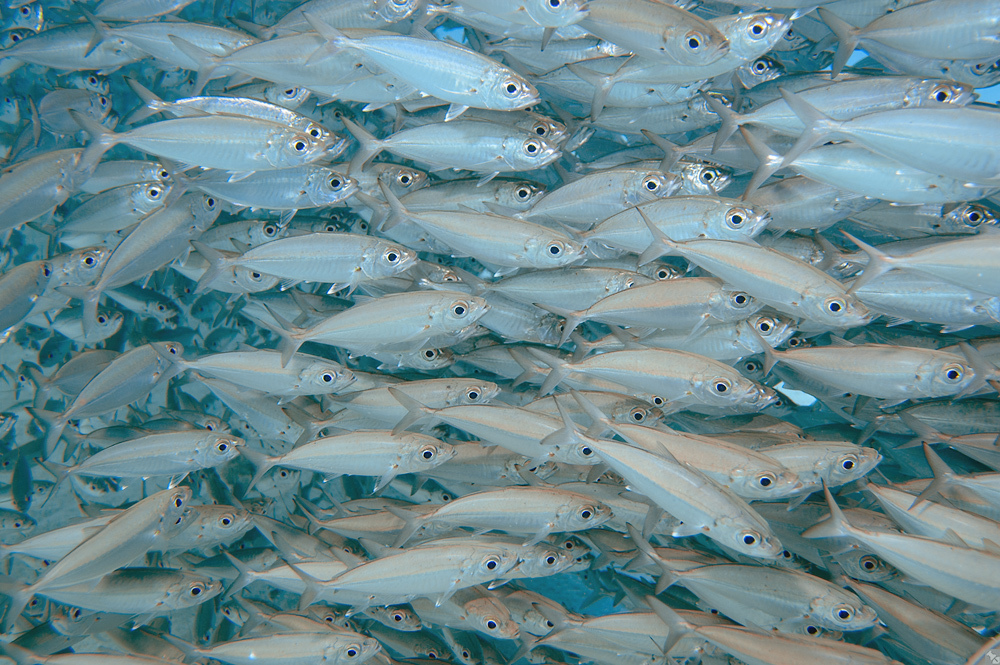
Big Eye Scad
selar crumenophthalmus
In Stock
Common stock
Wild Caught
Moderate care
With Caution
SKU: ML-MF-0303
Discover the vibrant Big Eye Scad, a highlight of tropical marine ecosystems.
Pricing for Verified Importers
Log in to see wholesale prices and order.
Export Size
up to 40.0 cm
Origin
Indo-Pacific
Temperature
24.0–28.0°C
Min. Tank Size
500 L
Salinity
30.000–35.000 ppt
pH
7.50–8.50
Diet
carnivore
The Big Eye Scad (Selar crumenophthalmus) is a striking marine fish found primarily in the warm waters of the Indo-Pacific region, renowned for its large, expressive eyes and distinctive streamlined body. This species exhibits an iridescent blue-green coloration on its upper body, transitioning to a silver belly, which allows it to blend seamlessly with its pelagic environment. They can grow up to 40 cm in length, displaying a unique body shape that aids in swift swimming, making them a favorite among sport fishermen and an attractive addition to aquarium displays.
Big Eye Scads are highly social creatures, often found in large schools that provide safety in numbers against predators. They inhabit coastal waters, typically around coral reefs and in deeper offshore regions. Their behavior is characterized by rapid swimming and acrobatic movements, especially when evading threats. They primarily feed on small planktonic organisms and are known to forage actively in the water column, demonstrating a fascinating feeding strategy that contributes to their vibrant lifestyle.
The reproductive strategy of the Big Eye Scad includes spawning in open water, where females release eggs that are fertilized by males. This species plays a crucial role in its ecosystem, serving as both predator and prey. Its presence supports the food web in tropical marine environments, making it an integral part of the ecological balance in these habitats. Moreover, their popularity in commercial fisheries highlights their economic importance in local communities.
In aquariums, Big Eye Scads can thrive when provided with adequate space and a well-maintained environment, reflecting their natural habitat conditions. Their dynamic swimming patterns and schooling behavior make them a captivating species for aquarists seeking to replicate the lively ambiance of a tropical marine setting.
Big Eye Scads are highly social creatures, often found in large schools that provide safety in numbers against predators. They inhabit coastal waters, typically around coral reefs and in deeper offshore regions. Their behavior is characterized by rapid swimming and acrobatic movements, especially when evading threats. They primarily feed on small planktonic organisms and are known to forage actively in the water column, demonstrating a fascinating feeding strategy that contributes to their vibrant lifestyle.
The reproductive strategy of the Big Eye Scad includes spawning in open water, where females release eggs that are fertilized by males. This species plays a crucial role in its ecosystem, serving as both predator and prey. Its presence supports the food web in tropical marine environments, making it an integral part of the ecological balance in these habitats. Moreover, their popularity in commercial fisheries highlights their economic importance in local communities.
In aquariums, Big Eye Scads can thrive when provided with adequate space and a well-maintained environment, reflecting their natural habitat conditions. Their dynamic swimming patterns and schooling behavior make them a captivating species for aquarists seeking to replicate the lively ambiance of a tropical marine setting.
To maintain optimal health for Big Eye Scads, it is crucial to replicate their natural environment as closely as possible. The ideal water parameters include a temperature range of 24-28°C, salinity levels of 30-35 ppt, and a pH between 7.5 and 8.5. A minimum tank size of 500 liters is recommended to accommodate their active swimming behavior and schooling needs.
Feeding should consist of a varied diet rich in protein, including high-quality flake food, frozen or live brine shrimp, and other small marine organisms. This ensures they receive the necessary nutrients for growth and vitality. In terms of compatibility, Big Eye Scads are generally peaceful but should be housed with similarly sized and temperamental fish to prevent bullying or stress.
Acclimation is a critical process; it is advisable to gradually introduce them to the aquarium environment using the drip acclimation method to minimize shock. Quarantine new arrivals for at least two weeks before introducing them to the main tank to prevent the spread of disease. Regular monitoring of water quality and parameters is essential to keep them healthy and thriving in captivity.
Feeding should consist of a varied diet rich in protein, including high-quality flake food, frozen or live brine shrimp, and other small marine organisms. This ensures they receive the necessary nutrients for growth and vitality. In terms of compatibility, Big Eye Scads are generally peaceful but should be housed with similarly sized and temperamental fish to prevent bullying or stress.
Acclimation is a critical process; it is advisable to gradually introduce them to the aquarium environment using the drip acclimation method to minimize shock. Quarantine new arrivals for at least two weeks before introducing them to the main tank to prevent the spread of disease. Regular monitoring of water quality and parameters is essential to keep them healthy and thriving in captivity.
Big Eye Scads are suitable for shipping under controlled conditions. They should be packed with care to ensure minimal stress during transit, ideally in well-oxygenated bags with water at the appropriate temperature of 24-28°C. A packing density of 1-2 fish per liter is recommended to provide adequate space. These fish are sensitive to rapid temperature changes, so insulated containers are suggested. Currently, there are no CITES restrictions for this species.
Species Parameters
Max Adult Size
40.0 cm
Origin
Indo-Pacific
Diet
carnivore
Temp Min
24.0 °C
Temp Max
28.0 °C
Salinity Min
30.000
Salinity Max
35.000
pH Min
7.50
pH Max
8.50
Min Tank
500 L