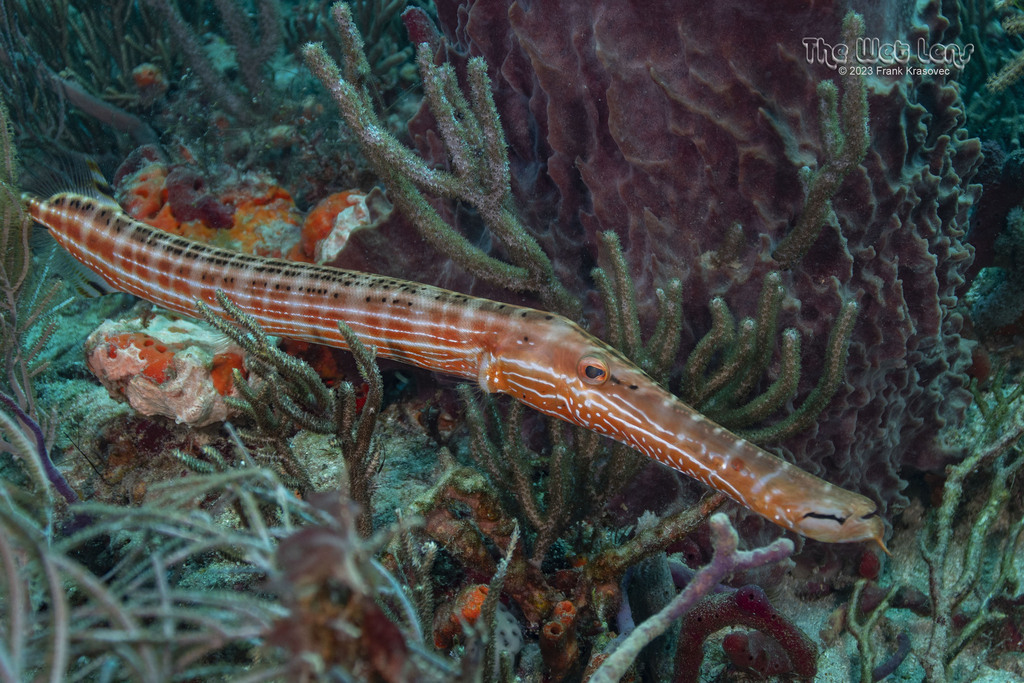

Sharpnose/Whitespotted Whipray
maculabatis gerrardi
In Stock
Common stock
Wild Caught
Moderate care
With Caution
SKU: ML-MF-0280
Discover the unique Sharpnose Whipray, a captivating species with striking patterns.
Pricing for Verified Importers
Log in to see wholesale prices and order.
Export Size
up to 70.0 cm
Origin
Indo-Pacific
Temperature
24.0–28.0°C
Min. Tank Size
500 L
Salinity
30.000–35.000 ppt
pH
7.50–8.50
Diet
carnivore
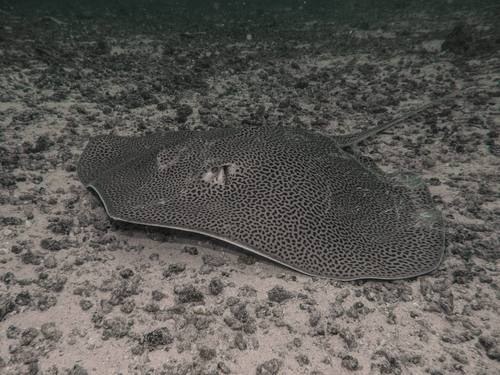
The Sharpnose or Whitespotted Whipray (Maculabatis gerrardi) is a fascinating species of marine fish renowned for its distinctive appearance and behavior. This ray features a flattened body with a broad disc, adorned with unique white spots that contrast beautifully against its darker background. Its pointed snout and long, whip-like tail enhance its graceful profile, making it a stunning addition to any aquarium. As a bottom-dweller, the whipray thrives in sandy substrates where it can easily camouflage itself from predators.
Inhabiting the shallow coastal waters of the Indo-Pacific region, particularly around coral reefs and sandy flats, the Sharpnose Whipray prefers areas with ample hiding spots. They are often found in pairs or small groups, showcasing social behavior and interaction. Their natural diet consists mainly of mollusks, crustaceans, and small fish, which they hunt by using their electroreception capabilities to detect prey hidden beneath the substrate.
Behaviorally, the Sharpnose Whipray exhibits a mix of tranquility and curiosity. They are generally non-aggressive and can coexist peacefully with various tank mates if provided with sufficient space. Their unique feeding habits and ability to burrow into the sand make them an engaging species to observe, as they interact with their environment and display natural behaviors in captivity.
With a maximum size of around 70 cm, the Sharpnose Whipray is a manageable size for aquarists, yet it requires careful planning and consideration for its long-term care. Understanding their natural habitat and behaviors is essential for ensuring their well-being in captivity, making them a rewarding species for knowledgeable aquarists and wholesalers alike.
Inhabiting the shallow coastal waters of the Indo-Pacific region, particularly around coral reefs and sandy flats, the Sharpnose Whipray prefers areas with ample hiding spots. They are often found in pairs or small groups, showcasing social behavior and interaction. Their natural diet consists mainly of mollusks, crustaceans, and small fish, which they hunt by using their electroreception capabilities to detect prey hidden beneath the substrate.
Behaviorally, the Sharpnose Whipray exhibits a mix of tranquility and curiosity. They are generally non-aggressive and can coexist peacefully with various tank mates if provided with sufficient space. Their unique feeding habits and ability to burrow into the sand make them an engaging species to observe, as they interact with their environment and display natural behaviors in captivity.
With a maximum size of around 70 cm, the Sharpnose Whipray is a manageable size for aquarists, yet it requires careful planning and consideration for its long-term care. Understanding their natural habitat and behaviors is essential for ensuring their well-being in captivity, making them a rewarding species for knowledgeable aquarists and wholesalers alike.
To ensure the health and longevity of the Sharpnose Whipray in captivity, it is crucial to maintain optimal water parameters. The ideal temperature range is between 24°C to 28°C, with a salinity level of 30-35 ppt. The pH should be maintained between 7.5 and 8.5. Providing a spacious environment with a minimum tank size of 500 liters is recommended to accommodate their size and movement needs.
Feeding the Sharpnose Whipray should focus on a carnivorous diet, including high-quality seafood such as shrimp, clams, and fish. It is important to offer a varied diet to ensure proper nutrition. Compatibility with other species is generally good, provided that tank mates are not aggressive or overly large, as this species can be shy and may be stressed by aggressive tank mates.
Acclimation is essential; introduce whiprays slowly to minimize stress, ideally over a period of several hours. A quarantine period of at least two weeks is recommended for new arrivals to monitor for any signs of disease or stress before introducing them to the main display tank. Regular water quality testing and maintenance will help ensure a stable environment for the whipray.
Feeding the Sharpnose Whipray should focus on a carnivorous diet, including high-quality seafood such as shrimp, clams, and fish. It is important to offer a varied diet to ensure proper nutrition. Compatibility with other species is generally good, provided that tank mates are not aggressive or overly large, as this species can be shy and may be stressed by aggressive tank mates.
Acclimation is essential; introduce whiprays slowly to minimize stress, ideally over a period of several hours. A quarantine period of at least two weeks is recommended for new arrivals to monitor for any signs of disease or stress before introducing them to the main display tank. Regular water quality testing and maintenance will help ensure a stable environment for the whipray.
The Sharpnose Whipray is suitable for shipping but requires careful handling to ensure its well-being during transit. Packing density should allow for adequate space to minimize stress. Temperature sensitivity is crucial; maintaining a stable temperature between 24°C to 28°C during shipping will help prevent shock. Currently, this species is not listed under CITES, which facilitates easier export procedures.
Species Parameters
Max Adult Size
70.0 cm
Origin
Indo-Pacific
Diet
carnivore
Temp Min
24.0 °C
Temp Max
28.0 °C
Salinity Min
30.000
Salinity Max
35.000
pH Min
7.50
pH Max
8.50
Min Tank
500 L